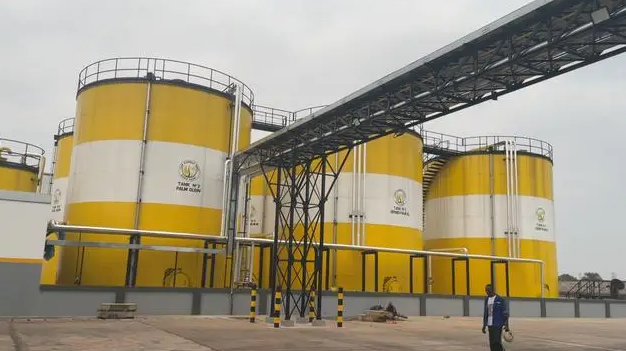
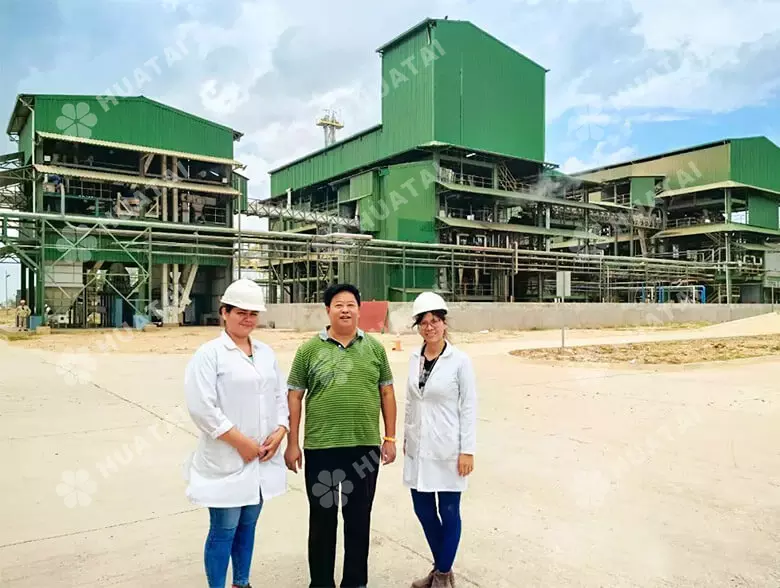
From 100 TPD to 1,500 TPD: How the Inolsa Soybean Plant in Bolivia Was Built
How a 2011 soybean refining line in Bolivia grew into a complete 1,500 TPD soybean plant: pretreatment, solvent recovery, DTDC, lecithin and commissioning.
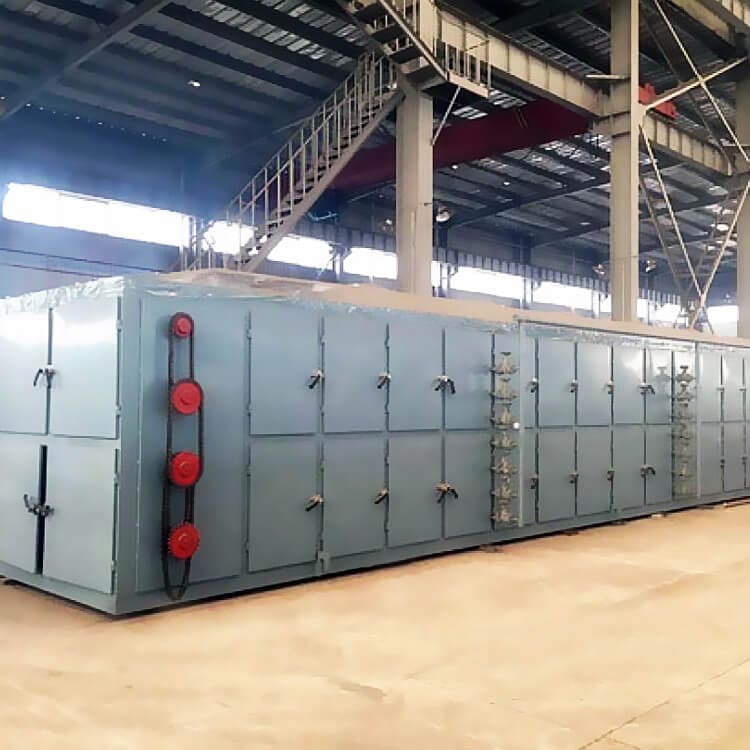
How a 2011 soybean refining line in Bolivia grew into a complete 1,500 TPD soybean plant: pretreatment, solvent recovery, DTDC, lecithin and commissioning.
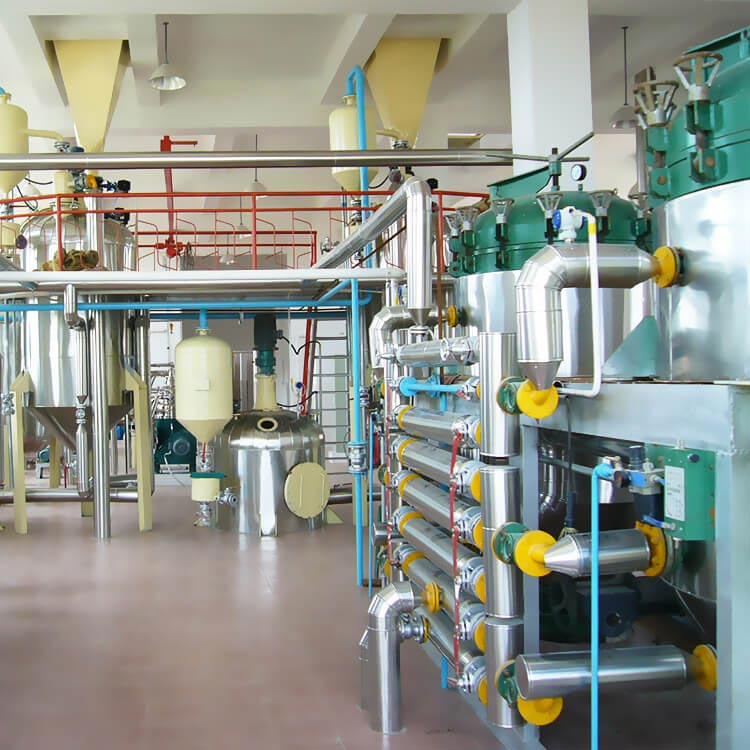
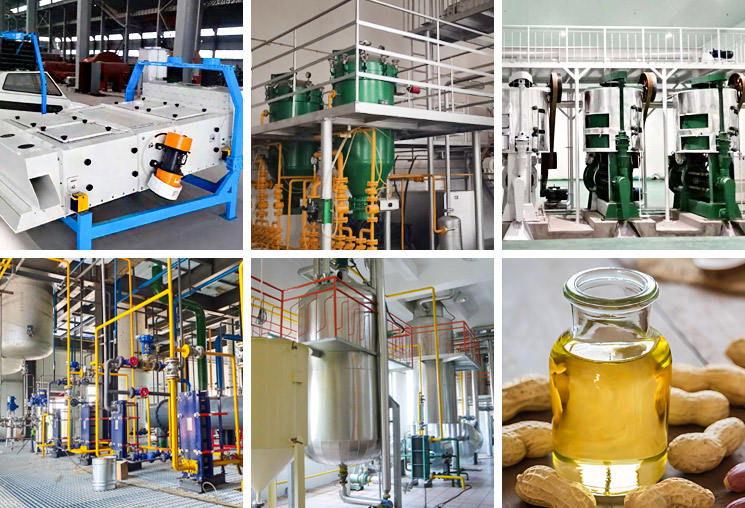
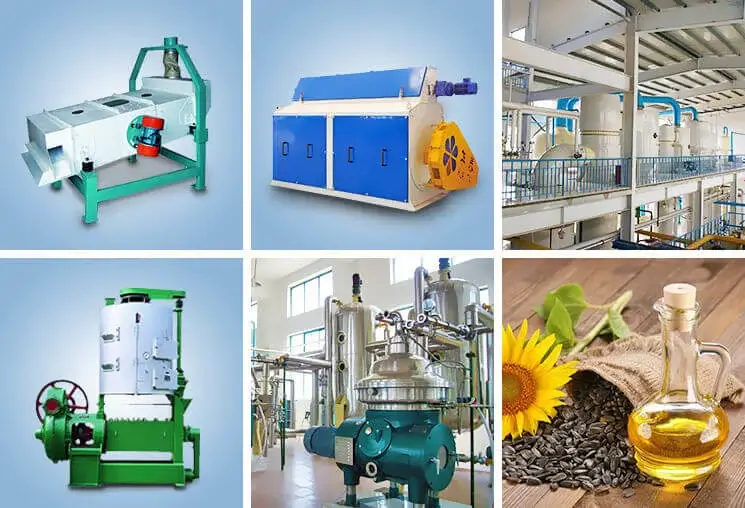
A section-by-section map of edible oil mill equipment: pretreatment, pressing, solvent extraction and edible oil refining, plus utilities, and how to trim the list for your capacity band.

Walnut, linseed and mustard behave differently from commodity oilseeds: temperature ceilings, small lots, flavour carryover and when edible oil refining is the wrong move, plus how one shared line can serve all three.

Raw material, capacity, pressing versus solvent, refining timing, and site and crew: the five decisions that shape a small edible oil mill before any equipment is ordered, plus the mistakes first-time buyers keep making.

What makes rapeseed different in the mill, how cleaning, flaking and cooking set up the press, when a solvent stage earns its place, what glucosinolates mean for meal, and how acidity picks your edible oil refining route.

Which oilseed fits your state, what generator power changes in the specification, how to choose between pressing, solvent extraction and a full line, and how to size capacity against seasonal supply.

Why crude rice bran oil is harder to refine, why dewaxing cannot be skipped, how to choose between physical and chemical refining, and which by-products a rice bran line should recover.

Edible oil refining comes in three operating modes. How the four process steps map onto batch, semi-continuous and continuous lines, and which five factors decide your configuration.

Palm oil fractionation splits one feed into liquid olein and solid stearin. How dry fractionation works, what decides the split, and where the section sits in your plant.

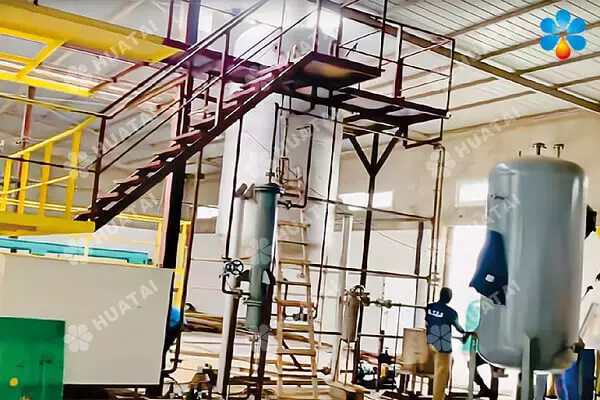
What actually gets proved in a factory before a 1,500 TPD soybean plant ships: staged assembly, dry runs, water trials, load running where a workshop can support it, quality checkpoints, packing by erection order, and the checks that honestly have to wait for site.

How a 30 TPD groundnut shelling, pressing and edible oil refining line in Senegal was specified, installed and started up: shelling at the front, aflatoxin control, the pressing-versus-solvent call, and commissioning run backwards from discharge.

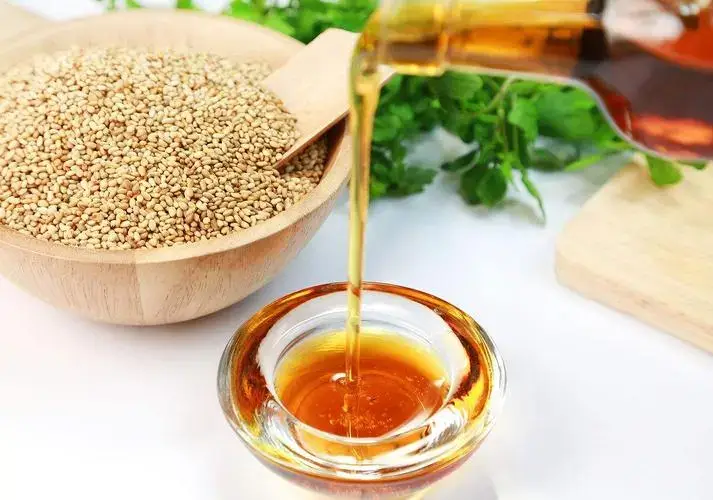
Cold press, hot press or solvent: which route fits the sesame grade your buyer will accept? Here is how seed quality, cleaning, roasting and filtration shape the answer.

Twelve stages sit between a signed contract and edible oil leaving your gate. Here is what happens at each one, and where turnkey mill projects usually slip.

Refining loss is not bad luck. Oil leaves an edible oil refinery through four routes: gums, soapstock, spent bleaching earth and deodorizer distillate. Here is how to find your biggest one.

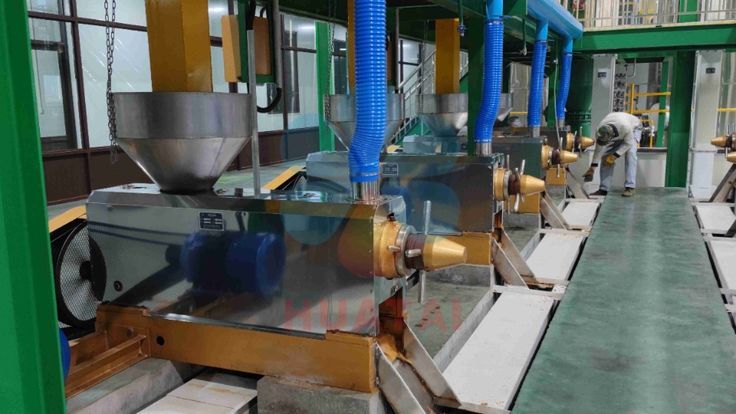
Screw press or hydraulic press? Under 30 TPD the choice shapes labour, oil colour and how much oil stays in the cake. Here is the honest comparison, with no price tag attached.

Cottonseed hides two problems: gossypol decides who can buy your meal, and high FFA decides your refining route. Here is where the oil leaks and how to plug it.

Rice bran degrades within hours of milling. Here's why stabilization decides whether your line makes edible oil, and how extrusion, steam and dry heat compare.

Groundnut is a high-oil seed, and that changes the whole configuration question. Here is how to decide between full pressing and pre-press plus solvent extraction, plus the aflatoxin checks most buyers find too late.

Two quotations for the same 30 TPD edible oil mill can differ by a wide margin. Here are the variables that actually move the number, the items most suppliers leave out, and the questions to ask before you sign.

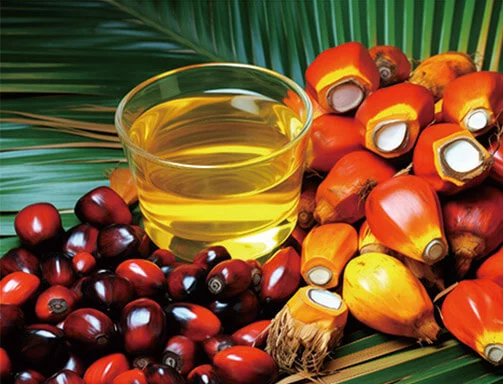
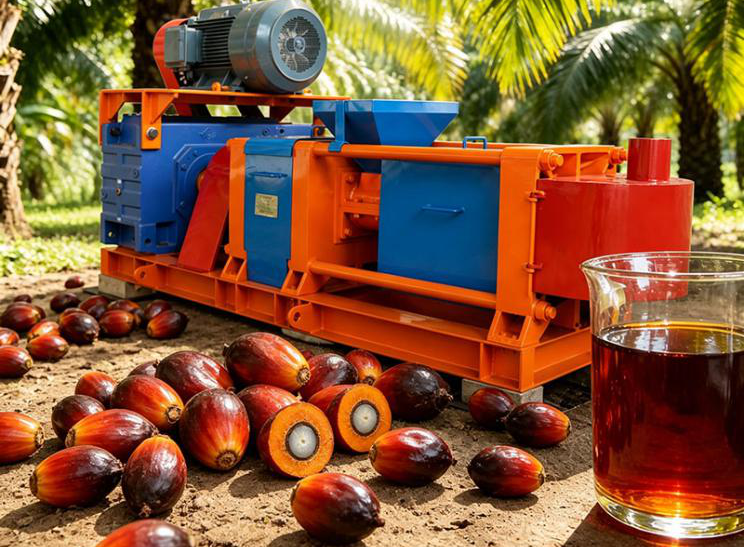
One palm bunch yields two very different oils through two separate lines. See how fruit pressing, kernel recovery and refining split, and what it means for your plant design.

Former State Grain Administration Deputy Director Zhang Guifeng and industry experts visited Huatai to review intelligent, low-carbon grain and oil equipment.

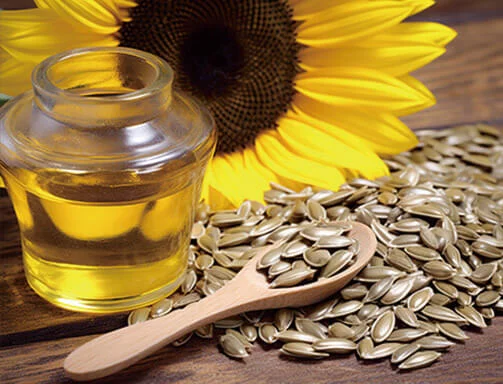
Mechanical pressing or solvent extraction for a sunflower oil plant? See the real capacity breakpoint, yield numbers and payback, from a builder that does both.

FFB Processing: Where Efficiency Begins at the SterilizerThe modern palm oil mil

Running an oil extraction plant for soybeans has never been a venture for the fa
Contact us to receive the latest company news, project updates, and industry insights.
Fill in your project details below — our engineering team typically responds within 48 hours with a customized proposal and preliminary process flow diagram.
WhatsApp opens with the message above already written — just tap the send arrow. If WhatsApp shows a “Continue to Chat” screen, tap it first. Our engineers will get back to you shortly.