
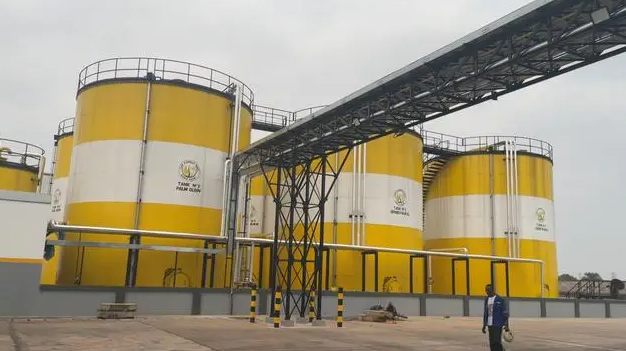
A buyer from Ogun State sent photos last month. Bottled palm oil from his line, clear in the heat, hard as candle wax whenever the harmattan pushed the temperature down. His customers had started calling it the butter oil. He wanted to know whether his edible oil refinery was broken or his formula wrong.
Neither, in truth. His market wanted palm olein, and getting it never comes from repairing a fault. It comes from a separate section that runs on controlled crystal growth.
The confusion follows this unit everywhere, so here is what palm oil fractionation really is, who needs it, and where it sits in a palm oil production line.
One oil, two products, no chemical change
Palm is the only edible oil traded in bulk that arrives semi-solid in its natural state. Its triglycerides carry roughly half saturated fatty acids, which is why it stacks in drums at room temperature and why one cold morning turns a bottle cloudy.
Palm oil fractionation exploits that chemistry rather than fighting it. The stock separates by melting point into a liquid portion and a solid one. Olein pours. Stearin holds its shape. No hydrogen is added, no molecule is rebuilt. The oil sorts itself under the right temperature program, and both outputs stay eligible for food labels that frown on modified fats.
Inside dry fractionation of palm oil
Dry fractionation dominates modern capacity for three reasons. No solvent, modest utilities, and a product stream that satisfies regulators everywhere.
The route runs through three stages.
Melt first. Every crystal memory from earlier handling has to be erased, or the batch separates on the previous one's terms instead of your target.
Cool under discipline. This stage decides everything. The oil moves through crystallizers, vessels with jacketed walls and rotating scraper blades that keep the growing crystals suspended. Temperature falls slowly, on a curve, and the operator's job is to encourage the stable crystal form rather than the fast, sloppy one. Rush it and crystals trap liquid, which leaves with the stearin and quietly shrinks your olein recovery.
Separate. A membrane filter press squeezes the slurry. Liquid passes, solid stays between the plates, and the press opens to release stearin cakes. Squeeze pressure and cycle timing matter as much as the crystallizer does.
Wet fractionation of palm oil thins the slurry with a solvent, and detergent routes use a water and surfactant solution. Both reach sharper splits for specialty products, at a complexity cost most cooking projects never need.
Hydrogenation, interesterification, or a press
Food manufacturers once fixed melting behaviour with hydrogenation. Hard palm, firm slices, no questions asked. Then trans fats became the story of the decade, and formulators went shopping for physical alternatives.
Palm fractionation kept no chemical secret. Neither does interesterification, which rearranges fatty acids without adding hydrogen, though it needs its own plant and economics. What matters for a mill owner is simpler. Buyers of cooking oil, shortening and frying fats now accept fractionated palm streams without argument, and the physical route carries the clean label cheaply.
What actually decides your split
Five levers show up in every project we commission.
Feed quality sets the ceiling. Free fatty acids, diglycerides and colour all disturb crystallization. Oil that sat warm and moist before reaching the crystallizers fights back, so we look upstream, at degumming and bleaching, before quoting a vessel.
Cooling program sets the result. Ramp rate, agitation, residence time, the temperature where you stop. Two plants, identical equipment, different curves, different olein cloud points. Each will insist the other bought the wrong machine.
Filter performance sets the recovery. A tired press leaking slurry gives away liquid with the solid.
Target grade sets the aim. Bottled cooking oil, industrial frying oil and pastry shortening want different olein to stearin ratios. Fix the ratio on paper first, then tune the plant toward it.
Season and storage set the drift. A palm oil fractionation section needs a cooling room you can hold steady, not a corner of the packing hall that moves with the weather.
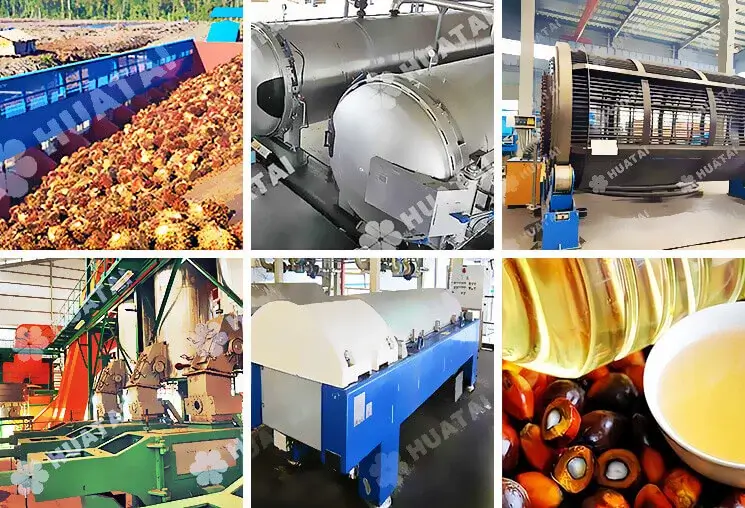
Where the two streams go
Olein covers most cooking shelves in the tropics and a growing share of frying operations worldwide. It pours at room temperature, resists oxidation better than many soft oils, and blends cleanly with sunflower or canola where brands want a lighter profile.
Stearin feeds shortening, margarine, bakery fats and soap. Push further, and a second or third pass over the solid side yields mid fractions for cocoa butter equivalents and confectionery fats. One purchase order, four product families. That flexibility, more than any single product, is why palm oil fractionation pays across commodity cycles. A palm oil refining and fractionation project in Congo we delivered runs on exactly this logic, one feed, several markets.
Positioning: before or after your edible oil refinery
Most commodity projects split the oil only after it has been degummed, bleached and deodorized. The refined palm oil divides into RBD olein and stearin, and supermarket bottles usually hold the olein side of that arrangement. When a project includes both stages, we size the edible oil refining equipment and the crystallization floor together, because the two halves trade heat, tankage and timing.
The other pattern exists too. Some processors split crude palm oil directly and put each stream through its own finishing line afterwards. Which order fits you depends on what your market buys and what your existing buildings hold.
One note for both layouts. Crystallization rewards patience and punishes shortcuts, so the room itself is equipment: insulation, chilled water capacity, stable ambient control. Get those right and the section behaves. Treat it like a pipe rack and your first cold season becomes an expensive lesson.
FAQ
What is dry fractionation of palm oil?
A physical separation that splits palm oil into liquid olein and solid stearin. The stock is fully melted, cooled slowly under controlled stirring so crystals form at a chosen point, then pressed to divide the two portions. No solvent, no hydrogen.
Do we still need hydrogenation?
For most edible applications, no. The market moved away from hydrogenated fats after trans fat concerns, and fractionated palm streams filled the gap. Where full hardening stays necessary, it belongs in its own conversation.
Can an existing plant add a palm oil fractionation section later?
Usually yes, if space and chilled water allow. The unit is largely self contained, though it touches storage and product handling at both ends. Plan those interfaces early, because retrofits cost more than designs.
What do you need from us to scope a palm oil fractionation plant? Your target products first, then feed quality and capacity. Tell us what your market sells and what your oil tests like today. We will size the crystallizers, the presses and the cooling loop around that, and say plainly where your current line may need fixing first. +86 18337263319. No charge for the read. Chat with us on WhatsApp →