
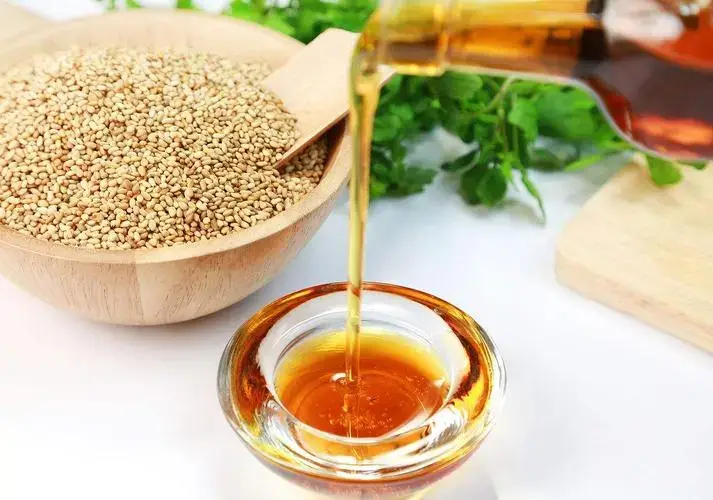
A buyer in Humera sent us photographs last harvest. Bags of pale sesame, hand sorted, stacked and ready. His question was short: cold press or solvent, which one gets my oil onto a Gulf importer's shelf? Some version of that question reaches us every week through the buying season, from Ethiopia, Nigeria, Sudan, Chad, Tanzania. The honest answer starts before the press does.
Oil content is generous, variety takes some back
Among the oilseeds buyers usually compare, sesame carries a generous share of oil. That's the appeal, and it's why a modest mechanical line can pay for its floor space here where leaner seeds would disappoint. The catch sits in variety and handling. Humera type, Sudanese trade lots, Nigerian local grades, mixed village seed: none of them behave identically in a screw. Hull share differs, moisture differs, and free fatty acids keep climbing while bags wait at the depot. We always ask for a fresh analysis of the seed you'll actually crush, not the brochure figure of the variety.
Cold press, hot press, or solvent
Cold pressing
No cooking, mild temperatures, and the oil keeps the pale colour and mild nutty character that specialty shelves want. What you give up is yield per tonne and usually speed. Cake leaves wetter, so a second pass or a re-press is common. If your customer is a health food importer paying for the words cold pressed on a label, this route defends that label honestly.
Hot pressing
Seed gets cooked or roasted first, then squeezed. More oil comes out per tonne, the press runs freer, and the oil carries the deep colour and toasted aroma most home cooks across Africa and the Middle East expect. Much of the regional trade runs this way and sells the filtered oil without refinement. The roasted character doesn't survive refining, so decide early whether you're selling aroma or selling refinement, because the two roads split here.
Solvent extraction
Solvent pulls nearly everything out of the meal, which is why soybean and rapeseed plants lean on it. Sesame is a different story. Its value sits in the pressed oil's character, and buyers of export grade oil ask about that character directly. Full solvent plants for sesame exist, yet they make sense at volumes most new entrants never reach, and usually beside a refinery. Our sunflower pages cover that logic in detail, since the sunflower oil production line decision between pressing and solvent follows a similar shape at larger scales.
What export buyers actually check
Import inspectors and food distributors rarely argue about your press model. They check the oil. Free fatty acids, peroxide value, colour, moisture and impurities. Which of those decides your contract depends on the grade you target, so find that out before buying machinery, not after a rejected container. Unrefined pressed oil headed for a regional trader faces easier questions than oil sold into a bottled, branded, refined export grade. The second buyer expects low FFA, a stable peroxide reading and a consistent colour, and that combination usually means a refining step sits in your future. Our edible oil refining equipment range exists precisely for that step, and sizing it early prevents an awkward retrofit.
One more point traders miss: oil judged at the press exit is not oil judged at packing. Time, air and warm storage move every number above. Plan the shortest path from press to filled bottle your building allows.
Cleaning, destoning and the roast
Sesame is tiny. Screens set for groundnut or sunflower let sand and stones ride straight through with it, and that grit ends up inside a press barrel, wearing collars and cages far faster than any brochure predicts. A cleaner and destoner sized for small seed is cheap insurance, and we treat it as core kit in every seed preparation line we configure, not an optional extra.
Roasting deserves the same respect. Evenness matters more than any particular setting. Uneven heat gives you a bottle of oil with a dull, flat taste and a colour that drifts between batches. Buyers notice drift before anything else. Small drum roasters with a steady feed and a watchful operator beat fancy controls nobody has time to monitor.
Putting a small line together
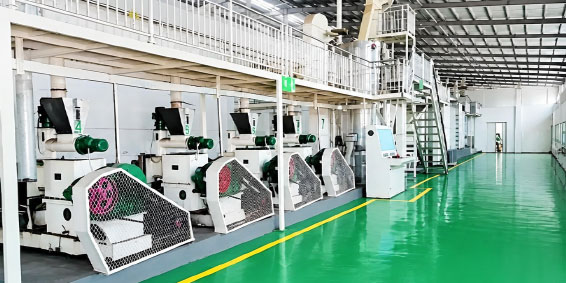
A typical compact configuration looks like this. Cleaner and destoner. Cooker or roaster. One press for a start, or two machines in series when seed is rich and cake needs squeezing twice. Settling tanks sized for at least a day's production. Plate or vertical leaf filter. Filling bench. Nothing exotic, every piece available off the shelf, and the whole train fits a modest shed.
Settling earns a word of its own. Fresh pressed sesame oil carries fine seed solids that cloud it. Give the tanks a quiet day and most solids drop; pump it into a filter straight away and you'll buy filter cloth by the roll. Filter coarse first, polish after. Clear oil at packing is what earns the repeat order, so treat settling and filtration as part of quality control, not housekeeping.
Mistakes we keep meeting
Buying the press first and asking about seed later. Analysis of your actual seed should arrive before the deposit does.
Reusing groundnut screens. Sand through a sesame line chews wear parts in weeks.
Chasing cold press prices with hot press oil. The labels are different markets. Pick one and stay honest.
Skipping settling. Cloudy oil at packing costs more than a day of tank time ever will.
Adding refining as an afterthought. If your target grade needs it, it belongs in the first layout.
FAQ
Is cold pressed sesame oil always the better export product?
No. Cold pressed oil suits specialty and health food shelves that reward the claim. Roasted, filtered oil dominates volume trade across Africa and the Middle East and moves at steadier prices. Choose by the customer you already have, not by which sounds premium.
Can I run sesame on a line built for groundnut?
Partly. The press frame can serve both, but screens, feed settings and cooking temperature all change. Without a destoner and small-mesh cleaning, grit in the seed will shorten wear part life dramatically. Budget the preparation section separately.
Do I need a refinery to sell export grade sesame oil?
Depends on the grade in your contract. Filtered roasted oil ships widely without refinement. Refined, bottled export grades need low free fatty acids and stable peroxide values, which means neutralizing, bleaching and deodorizing. Confirm the specification first, then size the refinery once.
Setting up a sesame line, or choosing between pressing routes for a specific market? Tell us your seed origin, weekly seed availability and the grade you intend to sell. We'll answer plainly which configuration fits. WhatsApp +86 18337263319. No charge for the read. Chat with us on WhatsApp →