
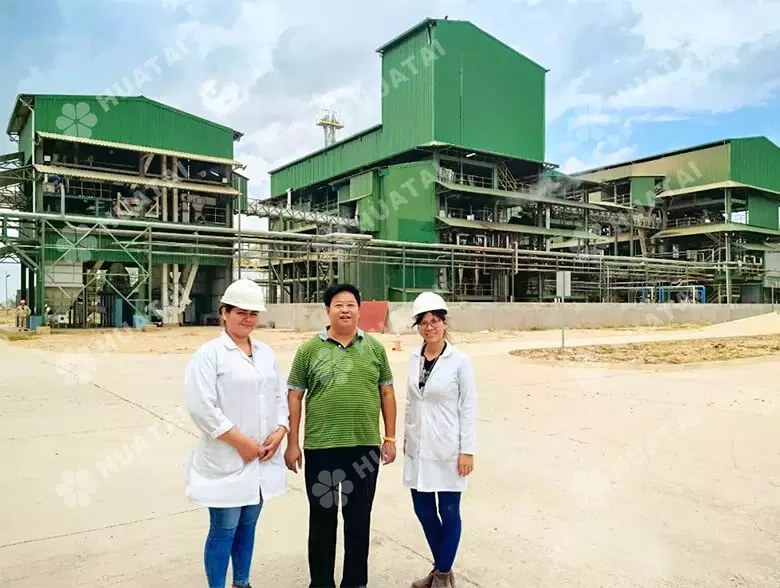
Containers leave our yard most weeks. One I still think about went to Bolivia. Inside it sat part of a soybean oil production line we had spent a long time building for Inolsa, and none of it had been strapped down until the whole train had already turned over. On our floor. With our fitters standing beside it, listening.
That habit predates the company itself. Testing where you build beats testing where you sell.
Nothing ships that hasn't turned
Buyers often treat machinery like freight. Place the order, wait for the vessel, open the boxes at the far end and hope. We work the other way round, because a fault found in our own bay costs a morning. The same fault surfacing at the jobsite costs a shipping delay, a crew on standby, and a client who has started losing faith.
So every major machine is set, aligned, wired and run ahead of its first container.
Assembly begins long before the container does
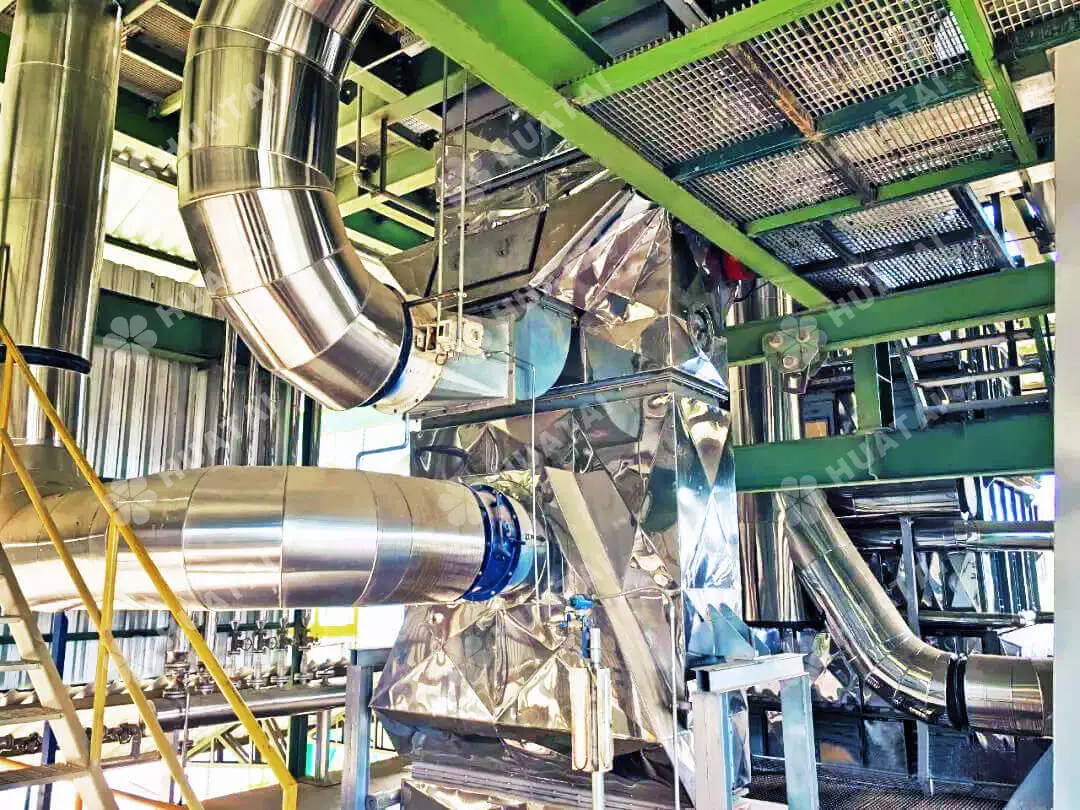
Gear from our pretreatment equipment comes together first. Cleaners, crackers, conditioners and flaking rolls get framed and coupled as groups rather than as loose parts, so the drive trains are proved in place. From there the solvent extraction equipment is trial fitted by module, and the edible oil refining train, degumming through deodorizing, is aligned on our platforms with its exchangers and columns sitting where they will eventually sit.
Pipe fit-up earns its own hour. Flanges that will not mate, hangers that collide with a beam, a valve handwheel with no room for an operator's knuckles. Nothing about that shows on a drawing. All of it shows on a steel frame.
The factory acceptance test, stage by stage
We run three passes, and skip none of them.
The dry run comes first. Direction of rotation, interlocks, alarms, emergency stops, the ramp and coast of every variable frequency drive. Short and unglamorous. Also where a reversed motor or a mislabelled terminal reveals itself.
Water trials follow. Pumps and pipework get checked for weeps, exchangers for pressure drop, level and flow instruments for calibration, steam traps for whether they open at all. Water tells you things compressed air cannot.
Load running comes last, and only where our own floor can honestly support it. Cracking and flaking can be fed real seed. A full solvent extraction or edible oil refining pass cannot. That belongs on site.
Where the checks actually land
A few checks carry more weight. Steel and section certificates. Weld inspection and pressure testing on anything built to hold solvent or steam. Dynamic balancing on rotating assemblies. Motor insulation and phase sequence. Gearbox temperature rise under load. Panel wiring, insulation resistance, and the PLC interlock logic that stops one machine from destroying the next. Instrument calibration.
What we watch for on each is a judgement call, not a universal number. Limits belong to your specification and your market, and we set them with you rather than quoting somebody else's table.
What we refuse to call tested
A solvent extraction section full of hexane, the polish train running continuously, a DTDC holding meal specifications, a steam balance behaving across the whole plant. None of those can be proved inside a factory, and anybody claiming otherwise is selling you a feeling.
What we can prove at home is mechanical and electrical integrity plus single machine function. What remains is system behaviour under your steam, your water, your power and your beans. Sorting those two lists before shipping is what keeps a start-up from turning into an argument.
Packing follows the erection sequence
One small decision saves weeks. We pack by erection order, not by machine bulk. Whatever gets bolted down first reaches the yard first. Machines that follow each other arrive in the order they line up.
Machined faces are wrapped against salt air, because a voyage is long and damp. Spares and special tools travel in their own crate, clearly marked, so nobody hunts through eleven boxes for a torque wrench. Every crate carries a packing list tied to drawing numbers.
On site, the drawings stop being enough
Foundations get checked against the anchor plan before anything is set down. Sole plates are levelled, alignment is dialled in, and grouting waits until alignment holds. Pipework gets connected, cables get terminated, instruments get loop checked.
Deviations turn up anyway. A plinth a few centimetres off. A cast-in bolt that has wandered. Space tighter than the drawing promised. Crews who expect this handle it in an afternoon. Crews who assume the drawing is the site lose a week.
Mistakes we keep meeting
Treating a fat test as whole plant acceptance. It is not. It proves machines work, not that a project does.
Buying machinery and forgetting utilities. Steam, water, power and drainage decide whether a line ever reaches its design point.
Packing by size. A neat container can still force you to store half a plant in the rain.
Skipping the water trial. Dry runs hide leaks. Load running with a leak goes badly.
FAQ
What is a factory acceptance test?
A structured run of the equipment in the maker's works before dispatch. Typically a dry run, a water trial, and load running where the shop can support it. It proves machines and wiring, not a whole process line.
If it was tested in the factory, does it need retesting on site?
Yes, in the ways that matter. Alignment shifts in transit, cables get re-terminated, instruments get disturbed, and every utility tie-in is new. Site testing checks the system, not the machines you already proved.
Can a complete 1,000 TPD soybean plant be fully load tested before shipping?
No, and nobody honestly can. The extraction section needs solvent and a closed loop, the polish train needs continuous feed, and the DTDC needs real meal. A factory can prove them mechanically. Full load belongs where the plant will run.
Planning a soybean line? Tell us your capacity, your bean assay and what your meal has to test at. We will say plainly what gets proved in our works and what has to wait for your premises. +86 18337263319. No charge for the read. Chat with us on WhatsApp →