

A mill owner in Central Asia called about a cottonseed line that looked right. Capacity matched. Hardware matched. Nobody asked where the meal goes.
Cottonseed is one of the few oilseeds carrying a toxin. That decides what your by-product is worth before you run anything.
What makes cottonseed different
Two things set it apart: it wears a hull, and it harbors gossypol.
The hull is woody. It holds little oil, and it takes room in every downstream machine. Leave it in and you grind fibre. Strip it out and you forfeit oil clinging to the hulls. That trade sits at the front of every flowsheet.
Then gossypol. It sits in glands in the kernel and limits who eats the meal. Ruminants tolerate far more than poultry or pigs, so the animal eating your meal decides how the line gets built.
Delinting, dehulling and conditioning
Cottonseed reaches you with lint on, and cutters shave that off first. Skip it and lint winds around shafts, blocks screens, and becomes a permanent problem.
Dehulling next. Hullers split the seed, screens separate hulls, and perfection is never the goal. Push separation hard and gain protein yet lose oil with the hulls; settle for less and haul fibre through the press. Most mills land midway, and where depends on your buyer.
Conditioning juggles two jobs. Heat and moisture rupture cells, and heat binds gossypol to protein, lowering the free fraction. That heat costs protein quality, so weigh meal safety against meal value, not chasing yield.
Our pretreatment and conditioning equipment covers this half, where cottonseed lines are won or lost.
High FFA decides your refining route
Cottonseed crude carries more free fatty acids than soybean, and storage pushes them up. Seed left damp or warm arrives degraded. Nothing downstream gives that back.
Two routes. Caustic refining turns fatty acids into soapstock, separated afterwards. Dependable, forgiving of variable crude, it discards neutral oil with the soap. More FFA. More soap. More oil gone.
Physical refining lifts fatty acids out by steam distillation under vacuum. No soapstock. Less oil swept away. It requires better degumming and bleaching first, because you lose the scrubbing neutralization gives for free, and it struggles with some crudes.
Match the refining route to the FFA your plant receives across a full season, not the figure a seed supplier quotes before harvest, because the distance between those two is where your oil disappears.
Colour is the other thing buyers underestimate. Cottonseed crude is dark, its pigments sharing gossypol's family. Bleaching earth dosage is high, and spent earth exits carrying oil unless recovered.
Our oil refining equipment covers both routes.
Gossypol: where your meal actually ends up
Here's what shocks first-time buyers. Run a clean plant, hit every target, and you can still end with meal sellable into one market.
Free gossypol is the fraction that matters. Binding with heat reduces it, so conditioning temperatures are a feed-safety decision, not an oil-yield one. Dehulling helps too, since hull removal raises protein.
Know your buyer before sizing the line. Cattle feed absorbs cottonseed meal readily; poultry and pig producers are cautious, and some won't take it. If your market is poultry, that changes what the plant achieves. No downstream cleverness fixes a mismatch agreed on day one.
Three places your oil leaks
Hulls and lint. Over-dehull to chase protein and you fling oil out with the hulls. A protein win on paper, a yield loss at the tank.
Soapstock. High FFA plus caustic means abundant soap, and soap pulls neutral oil along. Physical refining dodges this at the cost of tighter preparation.
Spent bleaching earth. Cottonseed needs more earth than most oils for acceptable colour. Spent earth leaving your gate takes retained oil. Recover it, or accept the leak.
A fourth sits before all these. Poor storage. Seed held damp and warm climbs in FFA before you switch on.
Solvent and dust: cottonseed's own hazards
Cottonseed sheds fines. With residual lint, they make a dusty plant, and dust plus hot bearings starts fires. Design handles this through conveying, screening and housekeeping, not heroics.
Lint needs magnets and regular clearing. Solvent safety matches any oilseed, with one addition: fines management deserves more thought.
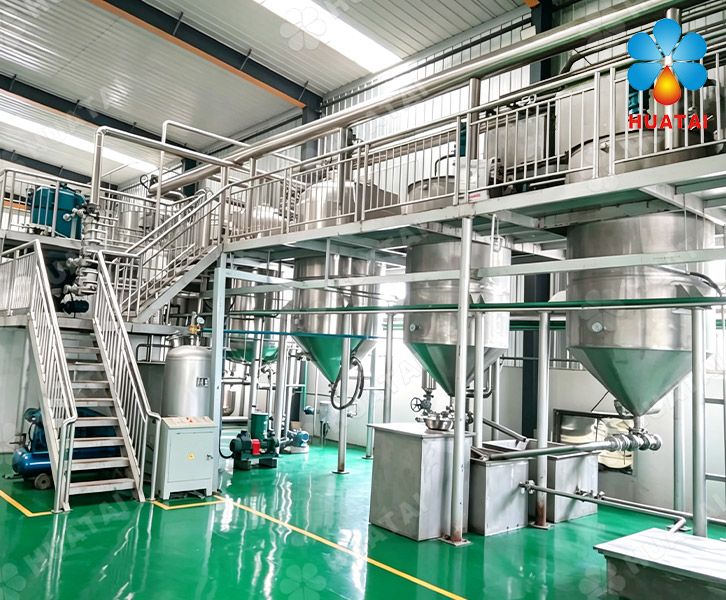
Our cottonseed oil production line page walks one configuration from delinting to packed oil.
Common mistakes we keep meeting
Over-dehulling to chase protein. You'll pay in oil left on the hulls.
Copying soybean refining settings. Different crude, different colour, different route.
Signing a meal buyer last. The animal eating your meal shapes the whole plant.
Storing seed like grain. Warm damp cottonseed spoils fast.
Treating lint as somebody else's problem. It will find your shafts and screens.
FAQ
Why does cottonseed oil need different refining from soybean oil?
Cottonseed crude carries more free fatty acids and stronger pigments than soybean. High FFA makes caustic refining waste neutral oil in soapstock, so mills prefer physical refining. The colour needs extra bleaching earth, and spent earth carries oil out unless recovered.
What is gossypol, and why does it matter for my meal?
Gossypol is a toxin held in glands inside the kernel. The free fraction limits how much meal each species can eat. Ruminants tolerate far more than poultry or pigs, so your meal buyer decides the configuration. Heat binds it, cutting the share.
Should I use caustic or physical refining for cottonseed?
Your crude and its consistency decide. Caustic refining forgives variable feedstock yet wastes neutral oil in soapstock, and the penalty grows with FFA. Physical refining suits high FFA but demands cleaner degumming and bleaching.
Is dehulling really necessary?
Yes, though never completely. Hulls hold little oil and eat capacity downstream, so keeping them means processing fibre. Removing them all discards oil on the hulls. Mills target a middle position set by the buyer's needs.
Planning a rice bran line, or fighting one that never performed? Tell us how much paddy gets milled near you, how far the material travels, and what grade you intend to sell. We'll say plainly whether stabilization is your bottleneck. WhatsApp +86 18337263319. No charge for the read. Chat with us on WhatsApp →