
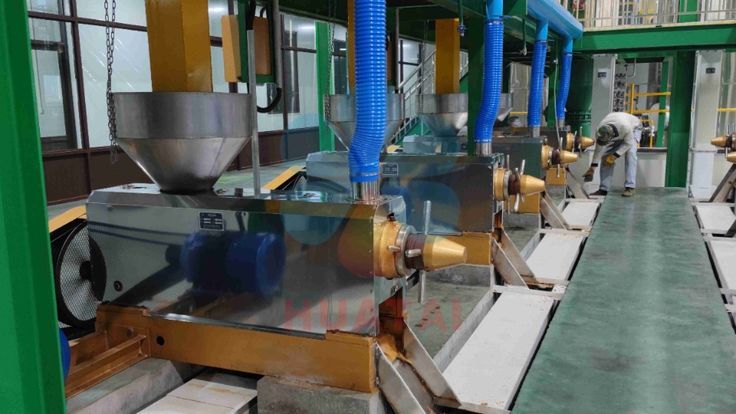
We see this all the time. A buyer sends over two quotations for the same capacity and asks which one is wrong. Usually neither is. They're pricing two different plants that happen to carry the same tonnage on the cover page.
If you're budgeting an edible oil mill, the equipment total is the number you'll stare at. It's also the number that explains the least. What decides the cost of an edible oil mill is a stack of choices made before anyone picks a machine, plus a set of items that never reach the quotation at all.
Why two quotes for the same capacity can differ by a wide margin
Capacity is a label, not a specification. A 30 TPD line can mean a mechanical press selling crude edible oil in jerrycans. Or it can mean a pre-press and solvent extraction plant feeding a full edible oil refinery. Both are 30 TPD. They don't share a machine list, a power draw, or a labour plan.
The other reason quotes drift is scope. One supplier prices machines. Another prices a working plant. Put those two totals side by side and you're comparing a crate of equipment to a factory that actually runs.
Six variables that actually move the number
The oilseed. Soybean wants cracking, conditioning and flaking. Sunflower usually needs dehulling. Rice bran needs stabilization, or the free fatty acids run away from you. Cottonseed brings gossypol and a heavy acid load. Same capacity, very different front end. We configure pretreatment and pressing equipment around the seed, not around a catalogue.
The process route. Mechanical pressing is simpler. Solvent extraction recovers more oil but adds an extractor, a desolventizer, condensers and a solvent recovery system, plus the safety discipline that comes with them. That jump is one of the biggest single moves in any oil mill project cost.
Refining depth. Crude oil that gets filtered and sold locally is a short line. Oil that has to sit on a supermarket shelf needs degumming, neutralizing, bleaching and deodorizing. Each stage is a vessel, a pump set and a control loop. This is where refining equipment choices quietly double a budget.
Automation. Manual valves and local gauges keep the price down and the headcount up. PLC control with a SCADA screen costs more up front, then shows up later as fewer operators and steadier quality.
Utilities and site. Steam is the big one. Boiler or thermal oil, and who supplies it. Then power distribution, water, compressed air, and whether your site already has a building or needs one poured.
Scope. Does the price cover design, civil drawings, installation, commissioning, training, spares, freight and duties? Two quotes can be identical on machines and miles apart on everything else.
The items that most often get left out
The machine list is what everyone negotiates. These are the things that surprise people later:
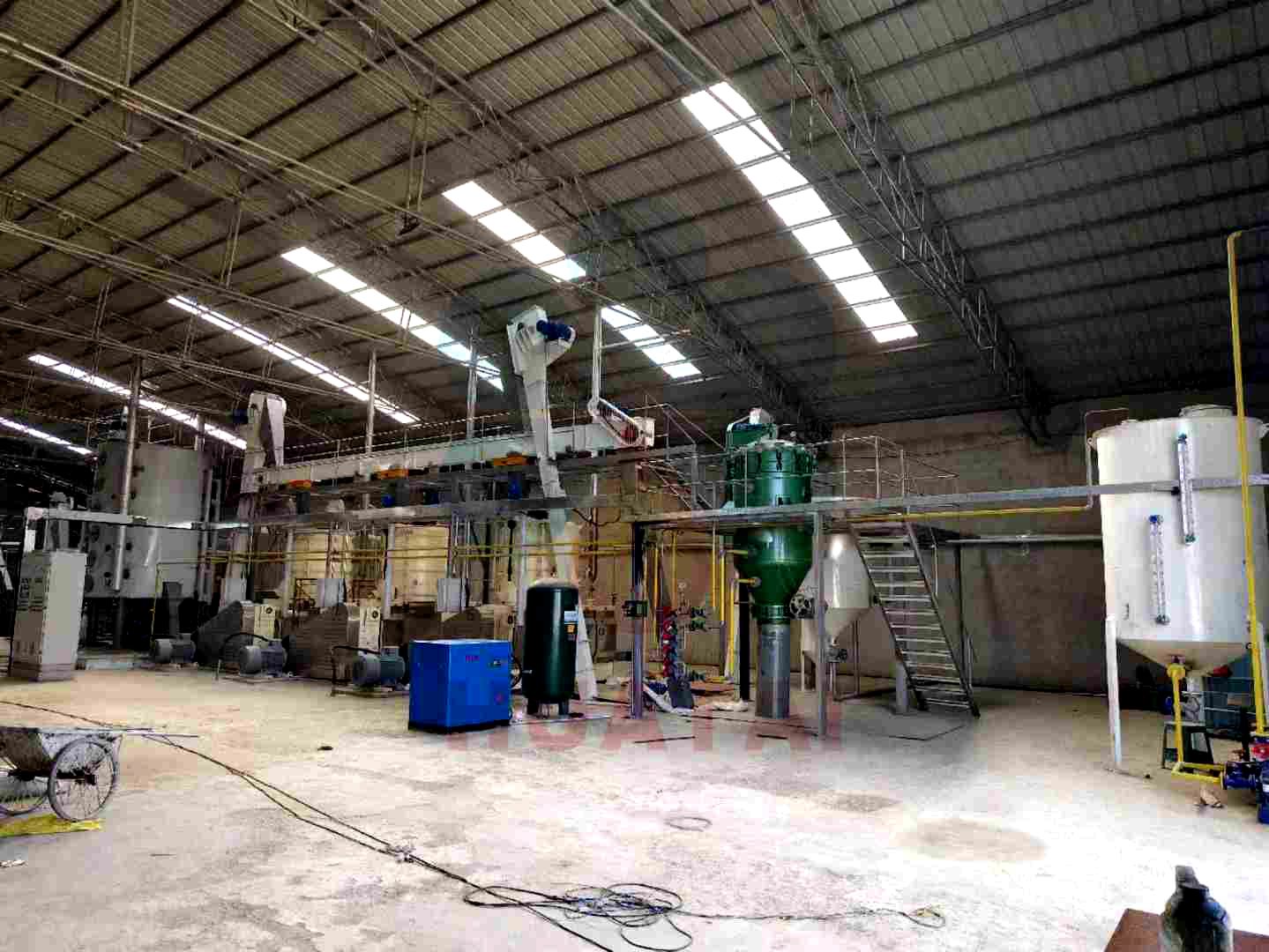
Civil works and machine foundations. Steam generation, boiler or thermal oil heater. Power distribution, cabling, any transformer upgrade. Water treatment and cooling. Erection, alignment and commissioning labour. Freight, insurance, port charges and customs duties. A commissioning spares set and wear parts. Operator training. And the first batch of raw material for the trial run.
None of them are optional. Ask which side carries each one, and get it in writing.
How scale changes the unit cost
Bigger lines don't cost proportionally more. A press that handles twice the throughput isn't twice the machine. Engineering, installation and commissioning spread across more tonnes. Utilities grow, but not one for one.
That's the direction of travel. It's why the plant sized for where you'll be in three years often works out cheaper per tonne than the one you outgrow quickly. It's also the best argument for leaving room in the layout, even if you don't fill it on day one.
The running costs that never appear in the quotation
Steam. Power. Solvent make-up if you extract. Bleaching earth and filter aid. Labour. Wear parts, because press screws and filter cloths don't last forever. Packaging, if you bottle.
None of these sit in the machine price, and together they decide whether the plant makes money. Here's a fair test. Ask what the line consumes per tonne of seed. A supplier who can't answer that hasn't operated one.
Three quoting traps
Spec shaving. Thinner shells, smaller motors, lighter gearboxes, a control cabinet built down to a price. The quote looks sharp. The maintenance bill doesn't.
Soft scope. Phrases like "standard installation" or "buyer's civil works" hide a great deal. Get the exclusions listed explicitly.
After-sales. Who answers when the line stops? What does a spare screw cost, and how long until it lands? A cheap machine with no support behind it is the expensive kind.
A checklist to send your supplier
Before you compare totals, ask every supplier for the same nine things. Process flow diagram and a full equipment list with capacities. An explicit inclusions and exclusions list. Utility consumption per tonne of raw material. Materials of construction and brands of critical components. Who handles installation, commissioning and training. Spare parts list with prices. Warranty terms and response commitments. Delivery schedule and payment milestones. Reference projects you can actually contact.
Two quotes that answer all nine are comparable. Anything less is a guess.
A mistake we see often
Buyers compare the bottom line and skip the equipment list. That's backwards. The total is a consequence, the list is the project. Print both lists, put them side by side, and tick off every item. Where one has a vessel the other doesn't, you've found your price gap. It's rarely a discount. It's usually a missing section.
Where to start if you're early in the process
Fix the oilseed and the product first. Everything else follows from those two. Are you selling crude oil into a local market, or refined oil into retail? That single answer decides whether you need pressing alone, pressing plus extraction, or a full line with refining. Our soybean oil production line solution is a good worked example of how one seed maps to a complete configuration.
Trying to make sense of two very different quotations? Send them over on WhatsApp at +86 18337263319. We'll mark up what's included, what's missing, and where the two specs diverge. No charge for the read. Chat with us on WhatsApp →