
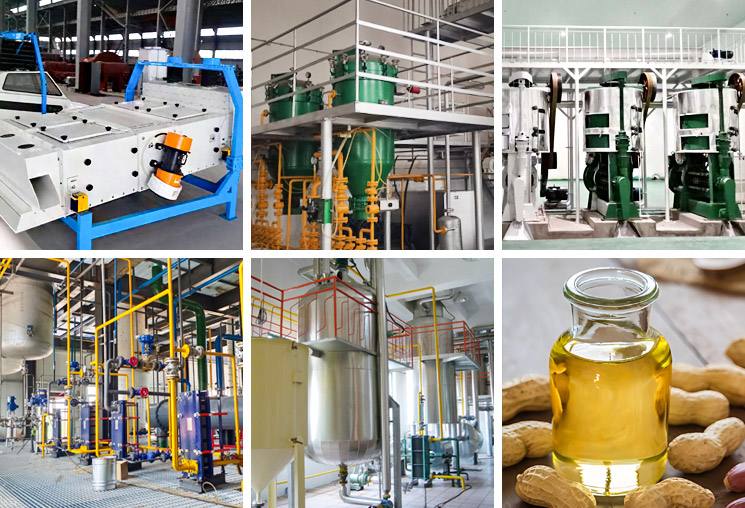
A buyer in West Africa rang us last season with what sounded like a simple question. He had groundnut, plenty of it. Did he need a press line or a full extraction plant? Two suppliers had already told him two different things. Both sounded certain. Neither had asked where the oil was going.
We see that pattern with groundnut more than with any other seed. Peanut sits at the high end of the oil content range, and that one fact pulls the whole configuration decision somewhere most first-time buyers don't expect. Get it wrong, and you leave oil behind in the cake. Or you buy machinery your supply can never keep fed.
High oil content changes the question
Groundnut kernels carry a lot of oil. More than soybean. More than cottonseed. More than sunflower in most seasons. Good news, with a caveat.
It also means the press has more work to do, and whatever doesn't come out stays in the cake. With a leaner seed like soybean, pressing alone rarely answers the whole question. With groundnut, pressing alone genuinely can. So the decision shifts. Not whether pressing works, but how much oil you're willing to leave behind, and what that oil is worth in your market.
Which is why the seed, not a catalogue, decides the front end. We build the pretreatment and pressing section around what arrives at your gate.
Full pressing: the honest picture on residual oil
Let's be straight about it. A screw press doesn't get everything. Cake from a well-run expeller still holds a meaningful amount of oil, and single-pass pressing holds more. You can push harder. Raise the temperature, tighten the choke, squeeze again. You'll pay in oil colour, in free fatty acids, and in wear on the screw and cage.
New buyers usually arrive assuming pressing is the cheap simple route, and extraction the complicated one. In practice, full pressing on a high-oil seed is its own discipline. Temperature control decides a lot. So does moisture conditioning. So does kernel sizing, because groundnut breaks down differently than a hard seed, and a flake that's too thick or too fine costs you either way.
None of that makes pressing a bad choice. It makes it a real one. Don't buy it believing you've dodged the hard part.
When does solvent extraction start to earn its place
There's no tidy tonnage threshold here, and we won't invent one. The honest test is plainer.
Extraction earns its place when the oil you're losing in the cake is worth more than the extra machinery, extra operators and extra safety burden coming with it. That's a judgement about your market, not a figure any supplier can hand over. Two buyers at the same capacity can land on opposite answers, and both be right.
What pulls you towards extraction. Every tonne of oil counts in your market. Supply runs steady through the year. You can staff and maintain something more complex. Somebody understands solvent handling, or you're ready to train them properly.
What pulls you towards pressing alone. Supply arrives seasonal and lumpy. Your customers pay a premium for lightly processed oil. You want simpler kit your existing crew can run without new specialist skills. Nobody on site has solvent experience, and you'd rather not build it from zero.
Pre-press plus solvent is the middle path most medium and larger mills end up on. Press first to take the easy oil out, then extract the cake to recover what's left. More machinery than pressing alone. Far kinder than asking an extractor to swallow a high-oil seed straight from the cleaner. Our solvent extraction equipment section covers what that adds.
Aflatoxin: the gate nobody puts in the quotation
This is the one that ends export deals. Groundnut is prone to aflatoxin, and aflatoxin doesn't care how good your press is. Contaminated kernels reaching your intake won't be quietly fixed downstream.
Three points where you still hold some control. Intake. Reject lots you can't trace, and keep the records. Storage. Moisture and temperature decide whether mould grows, and groundnut in a hot humid shed will find a way. Sorting. Mechanical and optical sorters pull out the shrivelled, damaged kernels carrying most of the load.
Refining helps. Alkali refining and bleaching earth bring aflatoxin down by some degree, which is one reason we nudge export-focused buyers towards a proper refining section rather than filtration on its own. Refining won't rescue a badly sourced crop. Say that out loud during planning, or learn it at the port instead.
The cake is a product, not a residue
Groundnut cake and meal sell. Protein levels are decent, and feed buyers know the material well. Extract, and you're selling de-solventized meal with the oil removed. Press only, and you're selling cake with oil still locked in it, which a feed buyer values too.
Either way it's a revenue line, not a disposal problem. Your cake handling deserves the thought you already gave the oil tanks. Cake left heating in a heap, or sitting under a leaking roof, is cake you discount.
A mistake we see often
Buyers size a mill around the press and treat the front end as an accessory. Cleaning, de-stoning, shelling, crushing, conditioning, flaking. Groundnut reaches you with shells, stones, sand and the odd piece of metal, and the press is the costliest place on earth to discover any of it.
We were called to one line where the sheller had been an afterthought. Kernels reached the expeller full of shell fragments. The screw wore far faster than anyone had budgeted for. Oil came out darker than he wanted, and he couldn't fathom why. The press was never at fault. Preparation was.
Six questions to answer before you ask anyone for a quote
Write your answers down first. What oil content can you realistically expect from the groundnut you'll buy, and does it swing with the season? Crude, filtered or fully refined? Steady supply or seasonal? Does anyone on site have solvent experience? Who buys your cake, and to what specification? Which export market, and what does it test for?
Six questions, none of them small. A supplier who works through them with you is designing a mill. One who skips straight to a machine list is selling you a machine. Our peanut oil production line page shows how one set of answers maps onto a complete configuration.
Still weighing pre-press plus solvent against pressing alone? Tell us your seed, your capacity target and where the oil will be sold, and we'll sketch both routes side by side. WhatsApp +86 18337263319. No charge for the read. Chat with us on WhatsApp →