
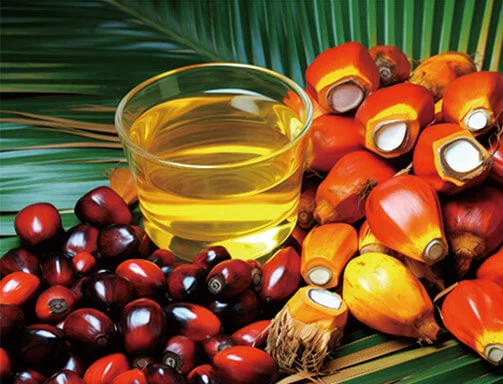
If you're scoping a palm project, here's the thing most first-time buyers miss. The palm fruit gives you not one oil but two, and they come off the same bunch through two completely different lines. Palm oil from the soft orange mesocarp. Palm kernel oil from the hard seed inside. Treat them as one process and you'll either overbuild or short a whole product. We size palm plants from 1 TPD pilots to 600 TPD turnkey, and the fruit-versus-kernel split is the first call we make with every client.
The fruit gives you two very different oils
A fresh fruit bunch runs about 20 to 22 percent oil, but it's split. Some 14 to 16 percent sits in the mesocarp as palm oil. Another 4 to 6 percent is locked in the kernel as palm kernel oil. They are not interchangeable. Palm oil is heavy in palmitic acid, semisolid at room temperature, the workhorse for frying and margarine. Palm kernel oil is lauric, closer to coconut oil, and it goes into soap, cosmetics and specialty fats. Same bunch, two supply chains.
Getting the palm oil out of the fruit
You don't press a whole bunch. First you sterilize it with steam, then strip the fruit off the stalk. Skip sterilization and you fight free fatty acids all the way down the line. The fruit gets digested and pushed through a screw press. That pulls roughly 20 to 23 percent of the bunch as crude palm oil. No solvent. Palm fruit oil is mechanical all the way. We build oil pressing equipment sized for this, from small double-screw presses up to the big twin units on industrial lines.
The kernel is a separate job
After pressing, what's left is the nut with the kernel still inside. You dry the cake, crack the shell, and separate kernel from shell by weight. Then the kernel gets its own press. That yields crude palm kernel oil and a high-protein kernel meal that feeders pay good money for. None of this shares the fruit line. It's a second train, a second set of machines, a second budget. A lot of mills press the fruit and ship the kernels out, then add the kernel line once volume justifies it.
Both oils still get refined
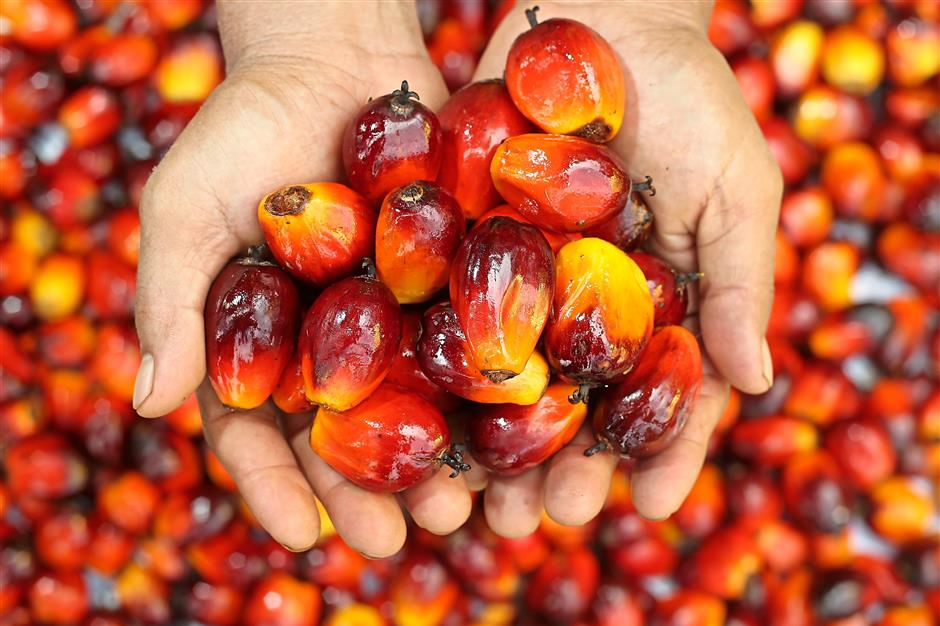
Crude palm oil is red and rough. To sell it you refine it into RBDPO, and you can fractionate that into olein and stearin for different customers. Palm kernel oil refines too, into a clear edible or technical oil. Refining is where oil refining equipment earns its keep, and for palm the degumming and deodorizing steps decide your shelf life. Get them wrong and the oil tastes off within weeks.
A mistake we see a lot
Buyers sometimes spec one line and assume it covers both oils. It doesn't. The fruit press and the kernel press are independent. We've seen 100 TPD fruit mills planned with no kernel budget at all, then the client realizes the kernel meal alone could cover part of the operating cost. The fix is simple. Decide up front whether you're a fruit-only mill or a full-bundle plant, and size the kernel train to your real kernel volume, not a hope.
What it means for your plant layout
A fruit-only mill is compact. Reception, sterilizer, press, clarification, tank farm. Add the kernel line and you need a nut silo, cracker, separator and kernel press, plus meal handling. That's more floor, more power, more labor. For the full turnkey design, our palm oil production line solution lays both trains out as one coordinated plant, so the kernel line drops in without re-piping the fruit side.
The numbers that matter
Say you run 30 tonnes of bunches a day. That's about 4.5 tonnes of palm oil and another tonne-plus of kernel oil you'd otherwise leave in the nut. At modest prices that kernel stream is real money sitting in the shell. The kernel line costs less than the fruit side to build, and the meal it throws off usually pays back the cracker within a season. For most bundles past 20 TPD, adding the kernel train isn't optional. It's the part that makes the whole plant cash positive.
Planning a palm plant and not sure where the fruit line ends and the kernel line begins? Message us on WhatsApp at +86 18337263319 and we'll lay out both trains around your bunch volume and your meal market. From 1 TPD pilots to 600 TPD turnkey. Chat with us on WhatsApp →