
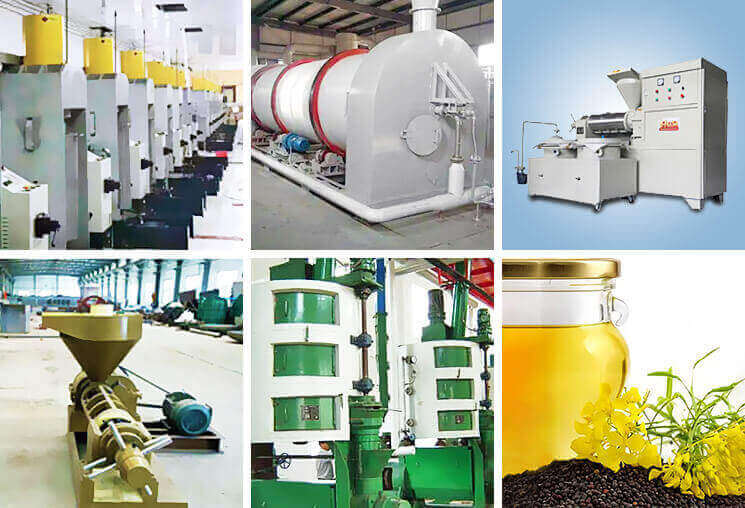
A buyer in Eastern Europe sent a photograph of his seed store before he sent a single question about machinery. Sacks stacked to the rafters, a moisture meter lying on the desk, and a note asking whether this lot would behave in the press the way the previous consignment had. Rapeseed rewards owners who study the seed before the catalogue, because nearly every downstream decision follows from what arrived at the gate.
Canola, sold as colza across much of Europe, is rapeseed bred for low erucic acid and low glucosinolate content. Your plant treats the two alike; your buyer does not.
What makes rapeseed different
Rapeseed is a small, round, thin-hulled seed carrying a generous oil fraction and a chemistry that punishes careless handling. Three traits shape the line.
Oil content sits near the top of the oilseed table, high enough that screw pressure alone leaves cake still worth treating. That pushes most plants above modest tonnage toward a pre-press and solvent stage.
Seed size dictates preparation. A tiny sphere offers a flaking roll little to grip, so roll gap, roll surface condition and moisture at the mill govern the outcome more here than on sunflower or soybean.
Pigment and sulphur travel with the oil. Chlorophyll gives unrefined rapeseed oil its deep green cast, while sulphur compounds released during glucosinolate breakdown reach the bottle unless the edible oil refining train is specified to remove them. Neither should be discovered after commissioning.
Prep: cleaning, flaking, cooking
Cleaning comes first and is routinely under-specified. Rapeseed arrives with straw, dust, sand and the occasional stone, all of which abrade rolls and blind screens. Aspiration, screening and magnetic separation cost little against the wear they prevent.
Flaking opens the cell structure so oil can escape. Aim for thin, intact flakes rather than fines, because dust packs the percolation bed and slows drainage.
Stacked drum cookers condition the flake and do genuine chemical work: they rupture remaining cells, thin the oil, coagulate protein, and inactivate the enzymes that would otherwise push free fatty acids upward while the flake waits. Temperature and residence time get set against the seed in front of you, which is why the meter in that photograph mattered.
Our rapeseed pretreatment equipment covers those three stages, from intake through to the conditioner feeding the press.
Pre-press plus solvent extraction logic
Pre-pressing removes a large share of the oil mechanically, then hands a partly de-oiled cake to solvent. The screw takes the fraction that yields easily; the solvent stage recovers what pressure cannot release.
Why not press alone? Because cake leaving a screw at commercial settings still holds oil worth chasing at any serious tonnage. Skipping the press fails too, since loose flake percolates badly next to a granular pre-pressed cake.
Our rapeseed oil production line page sets out that route end to end, and the rapeseed solvent extraction equipment section details what sits beyond the press: the extractor, desolventizing, and solvent recovery.
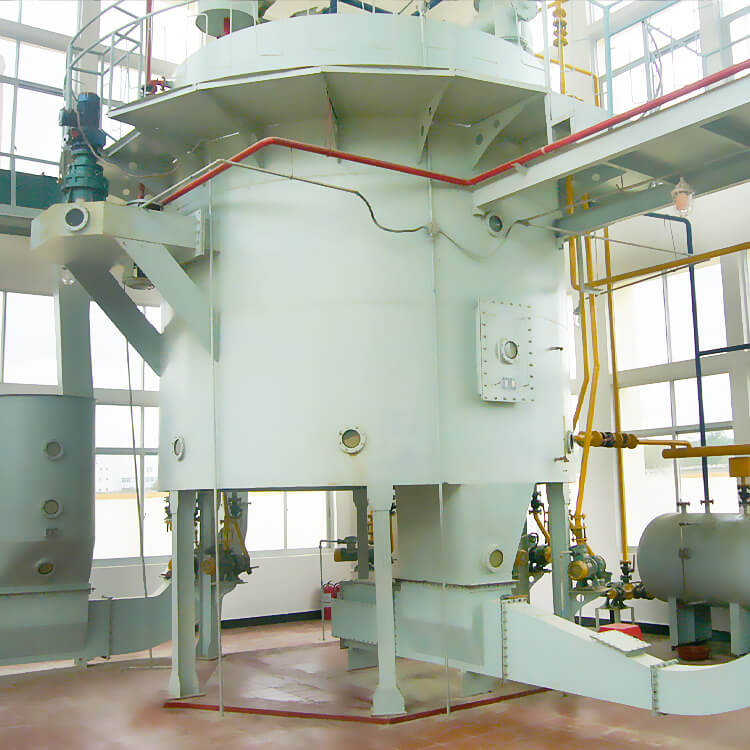
Sealed machines, ventilation, detection, and crews trained to a standard rather than merely briefed keep a solvent bay insurable.
Meal value and glucosinolate considerations
Rapeseed meal is a co-product with its own market, not a residue to dispose of. It carries a useful amino acid profile and competes in compound feed and pelleting rations, so its quality carries weight.
Glucosinolates are the constraint. Their breakdown products cap how much meal enters a ration, and breeding programmes went after that content specifically. Buy seed of unknown pedigree and you inherit an unknown meal.
Heat during desolventizing and toasting decides protein availability. Solvent left behind is a safety problem; excessive heat damages protein and darkens the product.
Meal holding moisture heats in a silo; cooling and dry storage are cheap insurance.
Refining notes for high-FFA rapeseed oil
Free fatty acid content decides your edible oil refining path, and on rapeseed that figure moves. Seed stored damp, seed shaken apart on a truck, or seed held warm all reach the mill carrying more acidity than the same crop handled carefully, which is why one good test result should never set the specification.
A chemical route neutralises with caustic and makes soapstock. A physical route strips fatty acids under vacuum with steam, and suits oil arriving properly degummed, bleached and low in phosphorus. Picking between them depends on acidity across a season.
Degumming leads either way. Rapeseed carries phospholipids that must leave before bleaching; skipping that loads the earth with work it cannot do.
Bleaching earth dosage is set against measured colour, and one crush will need different treatment in March than in October.
Deodorisation closes the sequence, stripping odour and volatile sulphur compounds while carrying off the remaining fatty acids on a physical train. Temperature, vacuum and residence time interact; push one and you pay somewhere else, usually in colour or in the distillate you were hoping to sell.
Planning a rapeseed or canola line and want a second read on the route? Send us your seed analysis, target throughput and the acidity range you expect. We will mark up what we would alter and say why, plainly. +86 18337263319. No charge for the opinion. Chat with us WhatsApp →
FAQ
Is canola processed differently from rapeseed?
No. The plant handles them identically, since canola is rapeseed bred for low erucic acid and low glucosinolate content. The difference shows at the sale, where buyers serving regulated markets want traceability and documentation.
Why does my rapeseed oil come out darker than expected?
Chlorophyll is the usual cause, and it arrives with the seed rather than from your machinery. Immature or cold-damaged seed carries more pigment, and poor storage invites rancidity and raises acidity. Bleaching earth set against measured colour handles it.
Do I need a solvent extraction section for rapeseed?
Below modest throughput, an expeller alone can be the sensible answer. Above it, oil remaining in the cake becomes worth recovering, and a pre-press ahead of a solvent stage is the configuration most plants settle on.
What decides between chemical and physical refining for rapeseed oil?
Acidity in the oil you actually receive. A chemical route neutralises with caustic and makes soapstock; a physical route strips fatty acids under vacuum and demands oil that arrives well degummed and bleached. Judge on a season of deliveries, not on your best sample. Chat with us on WhatsApp, or call +86 18337263319.
Can rapeseed meal be sold as animal feed?
Yes, and it often carries a meaningful share of plant revenue. Glucosinolate content caps how much goes into a ration. Protein availability depends on toasting temperature, and residual solvent plus moisture decide whether a stored load stays sound.