
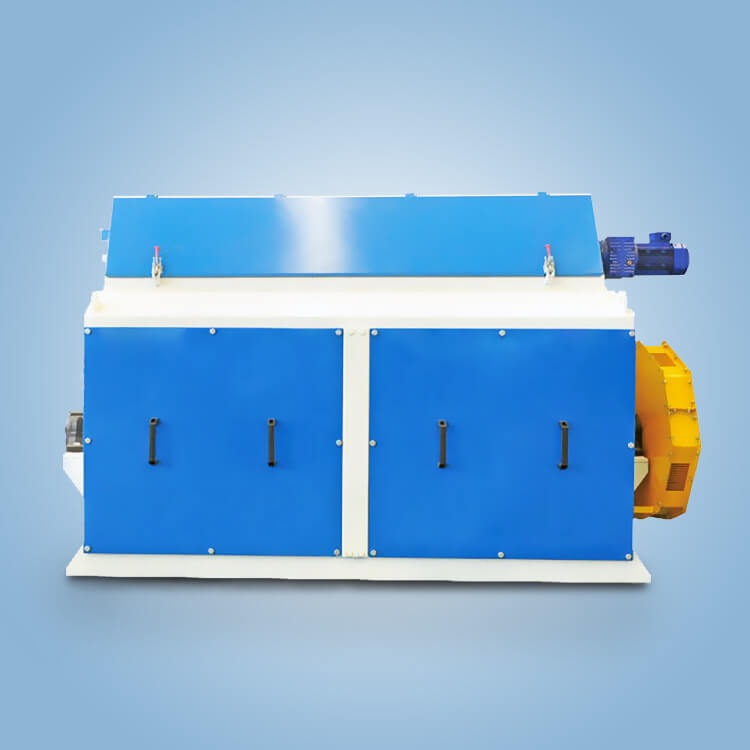
Precision Dehulling Equipment for Premium Oilseed Processing
The Huatai Oilseeds Sheller Machine removes hulls from oilseeds that have thick, fibrous outer shells — including sunflower seed, peanut, cottonseed and safflower — before the oil-bearing kernels enter the crushing and extraction process. Hulls contain only 1-2% oil but significant fiber and wax that reduce meal protein content and increase wax levels in the extracted oil. Removing hulls before processing increases meal protein content by 5-10% and produces cleaner, higher-quality oil. Our shellers achieve ≥90% hull removal while keeping kernel breakage rates below 5%, preserving the integrity of the oil-bearing kernel for maximum oil recovery. The equipment handles multiple seed types with adjustable dehulling parameters, making it ideal for plants processing different oilseeds seasonally.Technical Specifications
| Parameter | Value |
|---|---|
| Capacity | 20 – 300 TPD |
| Hull Removal Rate | ≥ 90% |
| Kernel Breakage Rate | ≤ 5% |
| Dehulling Method | Impact / cutting (material-specific) |
| Separation Method | Aspiration + screen classification |
| Motor Power | 5.5 – 30 kW |
| Aspiration System | Integrated with adjustable air volume |
| Recirculation | Closed-loop for unhulled seeds |
| Adjustment Range | Speed, gap and air volume adjustable |
| Material of Construction | Carbon steel / stainless steel (contact parts) |
Oilseed Shelling Working Principle
Impact or cutting dehulling followed by aspiration separation cleanly removes hulls while preserving kernel integrity.
Material Feeding & Size Classification
Raw oilseeds are fed into the sheller after initial cleaning. A pre-classification step separates the seeds into uniform size groups, because the dehulling efficiency depends on consistent seed size. Uniform seed size allows precise calibration of the dehulling mechanism for maximum hull removal with minimum kernel damage.
Impact/Cutting Dehulling
Seeds enter the dehulling chamber where they are subjected to high-speed impact or precision cutting, depending on the seed type. Sunflower seeds are typically dehulled by centrifugal impact against a textured wall, while cottonseed uses cutting/knife roll mechanisms. The controlled force cracks the hull without crushing the kernel inside.
Hull-Kernel Separation by Aspiration
After dehulling, the mixture of kernels, hulls and unshelled seeds enters the aspiration separation zone. The lightweight hulls are lifted by the adjustable air stream and conveyed to the hull collection system, while the heavier kernels fall through the air curtain to the kernel discharge. Screen classification further separates any remaining whole seeds from the kernels.
Kernel Recovery & Recirculation
Any unhulled seeds identified by the classification system are automatically returned to the dehulling chamber for a second pass. This closed-loop recirculation ensures that the overall dehulling efficiency reaches ≥90% while minimizing kernel loss. The recirculation rate is continuously monitored to optimize throughput and dehulling performance.
Clean Kernel Discharge
Fully dehulled kernels with hull content below 10% are discharged for downstream processing — typically conditioning, crushing and flaking. The clean kernels have significantly higher oil content per unit weight than unshelled seeds, and the resulting meal will have 5-10% higher protein content, commanding premium prices in the animal feed market.
Why Choose Huatai Sheller Machine
High Hull Removal Rate
Our shellers consistently achieve ≥90% hull removal in a single pass, with the closed-loop recirculation system pushing overall efficiency even higher. This high removal rate directly translates to cleaner kernels entering the extraction process, producing meal with significantly higher protein content (5-10% improvement) and extracted oil with reduced wax and pigment levels.
Low Kernel Breakage
Precision-calibrated dehulling mechanisms keep kernel breakage rates below 5%, preserving the integrity of the oil-bearing kernel for maximum oil recovery. Broken kernels create fines that reduce extraction efficiency and increase oil loss in the meal, so maintaining low breakage rates is essential for overall plant profitability.
Multi-Seed Adaptability
The dehulling parameters — impact speed, cutting clearance, aspiration air volume and screen configuration — are all adjustable to accommodate different seed types. This allows a single sheller to process sunflower, peanut, cottonseed and safflower with changeover times under one hour, ideal for multi-seed processing plants that handle seasonal raw material variations.
Applicable Oilseed Materials
Huatai sheller machines handle oilseeds with thick, fibrous hulls that benefit from removal before processing.
Sunflower Seed
Sunflower hulls are thick and fibrous, containing only 1-2% oil. Dehulling increases meal protein from ~28% to ~40% and reduces wax in the extracted oil.
Peanut
Peanut shells are lightweight and easily removed by aspiration after cracking. Dehulled peanut kernels yield higher-quality oil with less sediment and refining requirements.
Cottonseed
Cottonseed requires delinting before dehulling. Removing the hull improves meal protein content and reduces gossypol levels in the final product.
Rapeseed
While rapeseed hulls are thin, some processors dehull for premium high-protein meal production. The process requires specialized fine-dehulling equipment.
Safflower
Safflower has a thick fibrous hull similar to sunflower. Dehulling dramatically improves both oil quality and meal protein content for this specialty oilseed.
Frequently Asked Questions
Why is dehulling necessary?
Hulls contain little oil (1-2%) but high fiber content that dilutes the protein concentration of the meal and absorbs oil during extraction. Removing hulls before processing increases meal protein content by 5-10% — significantly boosting the market value of the meal as animal feed. Dehulling also reduces wax content in the extracted oil, which simplifies the refining process and produces a clearer, higher-quality finished oil. For sunflower oil specifically, dehulling reduces wax from 0.1-0.3% to below 0.05%.
What hull removal rate can be achieved?
Our shellers achieve ≥90% hull removal with kernel breakage rates below 5%, preserving the oil-bearing kernel for maximum oil recovery. The closed-loop recirculation system automatically returns any unhulled seeds for a second pass, pushing overall dehulling efficiency even higher. The balance between removal rate and breakage rate is critical — excessive dehulling force removes more hulls but damages more kernels, so our equipment is precisely calibrated to optimize both parameters simultaneously.
Which oilseeds require shelling?
Sunflower, peanut, cottonseed and safflower all benefit significantly from dehulling due to their thick, fibrous hulls that contain minimal oil but high fiber. Soybean and rapeseed typically do not require shelling because their hulls are thin and tightly adhered to the kernel — the cost and complexity of dehulling these seeds is not justified by the marginal improvement in meal protein. For cottonseed, a delinting step to remove residual lint must precede the dehulling process.
Complete Your Pretreatment Line
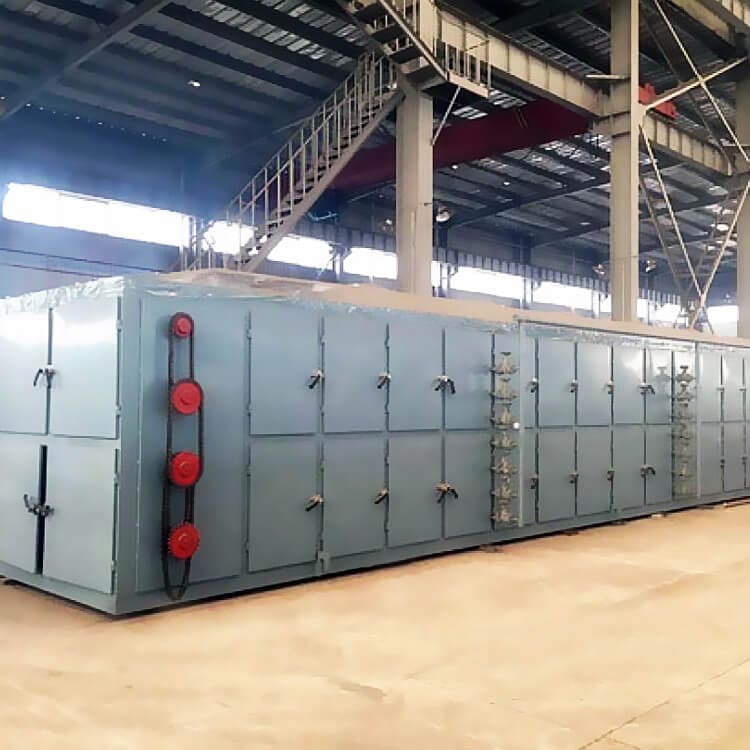
Oilseeds Roasting Machine
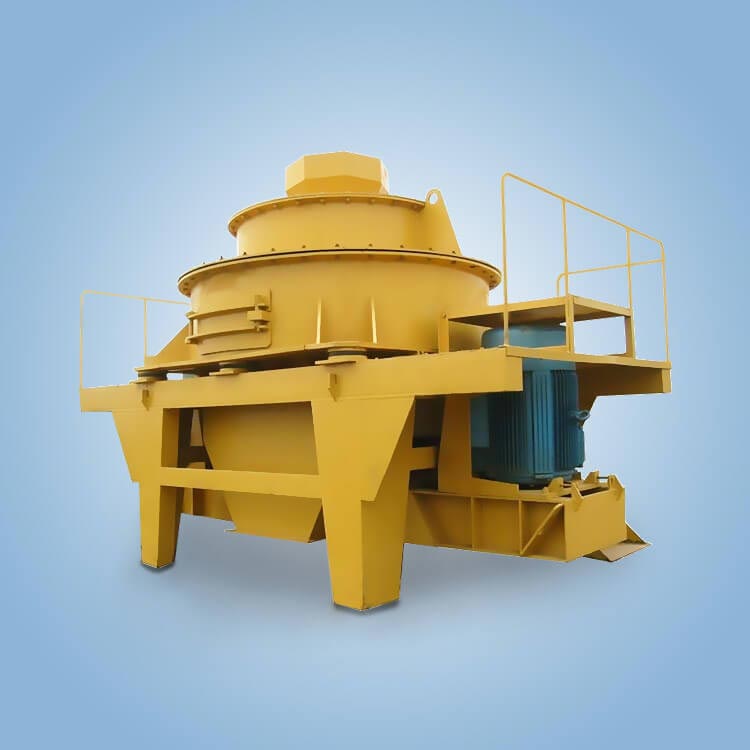
Oilseeds Flaking Machine
Oilseeds Sheller Machine
Ready to Upgrade Your Meal Quality?
Tell us your oilseed type, daily capacity and target meal protein content — our engineers will recommend the optimal dehulling system for your plant.
Send Us a Message
Fill in your project details below — our engineering team typically responds within 48 hours with a customized proposal and preliminary process flow diagram.