
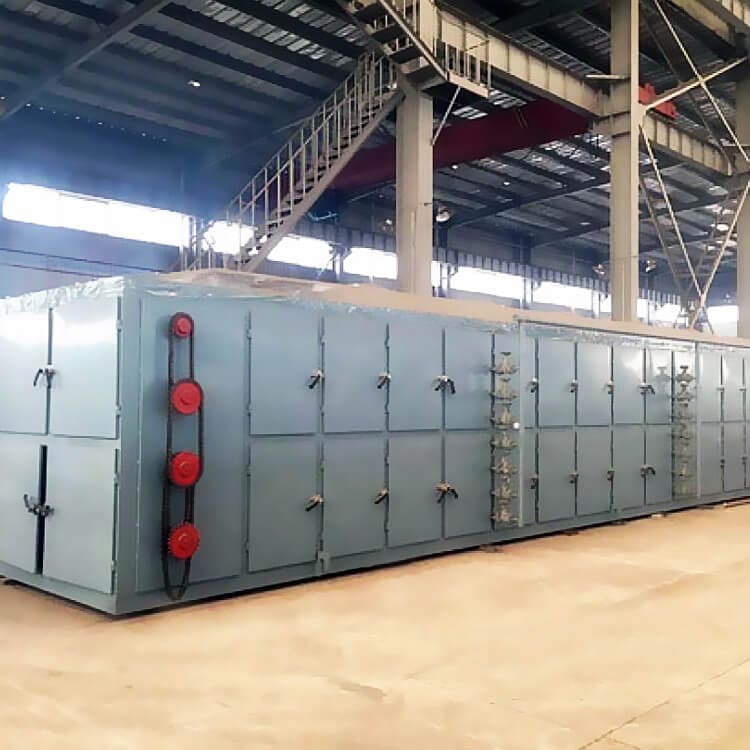
Precision Roasting for Premium Aromatic Oil Production
The Huatai Oilseeds Roasting Machine is specifically designed for the thermal treatment of oilseeds destined for aromatic and cold-pressed oil production. Unlike simple drying, the roasting process develops the characteristic nutty flavor, rich golden color, and distinctive aroma that define premium oils such as roasted sesame oil, aromatic peanut oil and traditional rapeseed oil — qualities that command significant price premiums in both domestic and international markets. With a temperature range of 80-220°C and precise control within ±2°C, the roaster ensures uniform heat treatment across the entire seed batch while preventing localized burning. Available in electric, steam and gas heating configurations, the machine processes 5-100 TPD with adjustable retention times of 15-45 minutes, making it suitable for both boutique aromatic oil producers and large-scale commercial operations.Technical Specifications
| Parameter | Specification |
|---|---|
| Capacity | 5 – 100 TPD |
| Temperature Range | 80 – 220°C |
| Temperature Accuracy | ± 2°C |
| Heating Method | Electric / Steam / Gas |
| Retention Time | 15 – 45 min (adjustable) |
| Motor Power | 3 – 15 kW |
| Stirring Mechanism | Continuous ribbon / paddle agitator |
| Cooling Discharge | Forced-air rapid cooling |
| Material of Construction | Food-grade stainless steel (contact parts) |
| Control System | PLC with HMI touchscreen |
Oilseed Roasting Working Principle
Controlled thermal treatment develops flavor, color and aroma while preparing seeds for optimal pressing yield.
Material Feeding & Preheating
Cleaned and sorted oilseeds are fed into the roaster via a controlled feeding mechanism. In the preheating zone, the seeds are gradually brought up from ambient temperature to the target roasting temperature, avoiding thermal shock that could cause seed splitting or uneven roasting.
Temperature Ramping
The heating system ramps the temperature to the target roasting setpoint — typically 160-200°C for sesame, 140-180°C for peanut, or 120-160°C for rapeseed. The PLC control system ensures the temperature curve follows the programmed recipe precisely, with continuous ribbon stirring ensuring uniform heat distribution across the entire seed bed.
Controlled Roasting with Stirring
At the target temperature, the seeds are held for a precisely controlled duration with continuous stirring. The ribbon agitator ensures every seed receives uniform heat exposure, preventing hot spots that could cause burning. Temperature accuracy of ±2°C maintains the exact conditions needed for consistent flavor development batch after batch.
Aroma Development Phase
During this critical phase, Maillard reactions and lipid oxidation develop the characteristic nutty flavor, golden color and aromatic profile of premium oils. The precise temperature and time control ensures full flavor development without over-roasting, which would produce bitter off-notes and dark colors that reduce oil quality and market value.
Rapid Cooling Discharge
Immediately after the roasting phase, the seeds are discharged into a forced-air cooling zone. Rapid cooling stops the roasting reactions at exactly the right point, preventing over-roasting from residual heat. The cooled seeds are then conveyed directly to the press for maximum oil yield while the cell structure remains disrupted from roasting.
Why Choose Huatai Roasting Machine
Precise Temperature Control
The PLC-controlled heating system maintains roasting temperature within ±2°C of setpoint throughout the entire batch. This level of precision is essential for consistent flavor development — even a 5°C overshoot can cause burning that ruins an entire batch of premium sesame or peanut. Recipe-based temperature profiles can be stored and recalled for each seed type.
Uniform Roasting
The continuous ribbon agitator ensures every seed in the batch receives identical thermal treatment. This eliminates the hot spots and uneven roasting common in simple drum roasters, where seeds near the heating surface are over-roasted while seeds in the center are under-developed. The result is consistent color and flavor across the entire batch.
Flavor Preservation
The rapid forced-air cooling system stops roasting reactions at precisely the right moment, preserving the developed flavor profile without over-roasting from residual heat. This is critical for premium aromatic oils where the flavor profile directly determines market price and consumer acceptance. The controlled cooling also conditions the seeds for optimal pressing yield.
Applicable Oilseed Materials
The roasting machine is designed for oilseeds destined for aromatic and cold-pressed premium oil production.
Sesame
The primary application for roasting. Sesame oil from roasted seeds commands a 3-5x price premium over cold-pressed sesame oil, making the roasting step essential for profitable sesame oil production. Typical roasting temperature: 160-200°C.
Peanut
Roasted peanut oil is a premium culinary oil prized in Chinese and Southeast Asian cuisine for its distinctive nutty aroma. The roasting process develops the characteristic flavor that distinguishes it from ordinary peanut oil. Typical roasting temperature: 140-180°C.
Rapeseed
Traditional aromatic rapeseed oil requires roasting to develop its characteristic flavor. In many Asian markets, roasted rapeseed oil is the preferred cooking oil for stir-frying, commanding a premium over refined rapeseed oil. Typical roasting temperature: 120-160°C.
Sunflower
Roasted sunflower seeds produce aromatic oil with a distinctive toasted flavor profile, popular in Eastern European and Middle Eastern markets. The roasting process also improves oil yield by disrupting the seed cell structure before pressing. Typical roasting temperature: 130-170°C.
Frequently Asked Questions
What is the purpose of roasting in oil production?
Roasting develops the characteristic nutty flavor and golden color essential for premium aromatic oils like sesame oil and roasted peanut oil, while also reducing moisture and inactivating enzymes. The thermal treatment disrupts seed cell structure, improving pressing yield by 2-5% compared to unroasted seeds. For aromatic oil markets, roasting is the critical process step that creates the flavor profile consumers expect and are willing to pay a premium for.
What temperature range is used?
Typical roasting temperatures are 160-200°C for sesame, 140-180°C for peanut, and 120-160°C for rapeseed, with precise control within ±2°C to prevent burning. Each seed type has an optimal temperature window that maximizes flavor development without producing bitter compounds. The PLC control system stores individual temperature recipes for each seed type, ensuring consistent results regardless of operator experience.
Can the roaster handle different seed types?
Yes, temperature, retention time and stirring speed are adjustable for each seed type, enabling the same roaster to process sesame, peanut, rapeseed and sunflower with recipe-based changeover. The PLC stores preset recipes for each seed type, and changeover between products typically takes 15-30 minutes for cleaning and recipe selection, making the roaster suitable for multi-seed processing plants that serve different market segments.
Complete Your Pretreatment Line
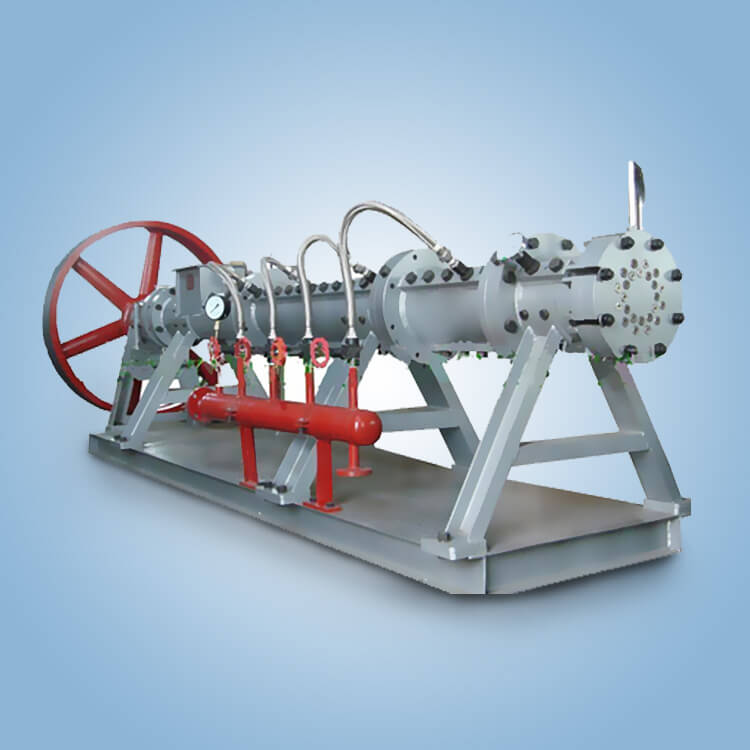
Oilseeds Puffing Machine
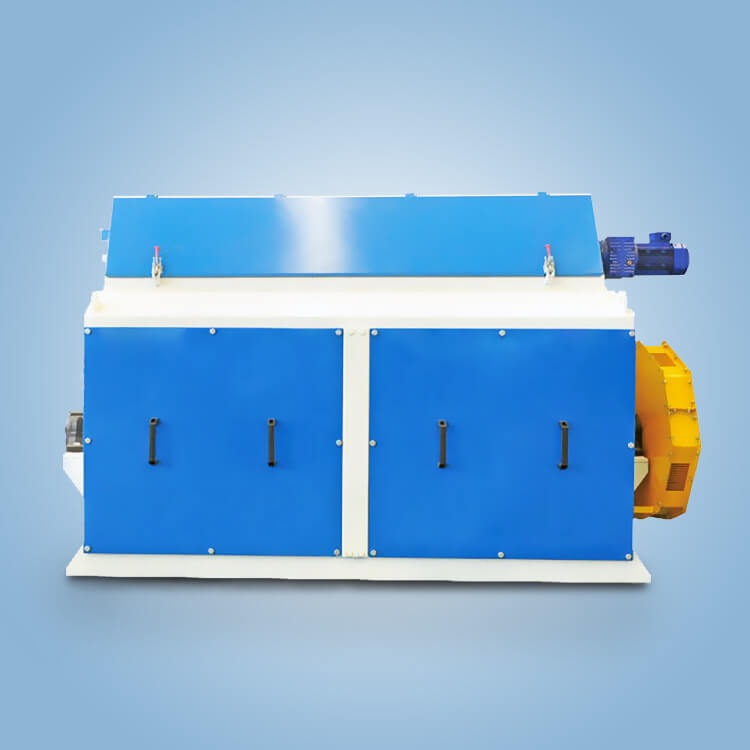
Oilseeds Sheller Machine
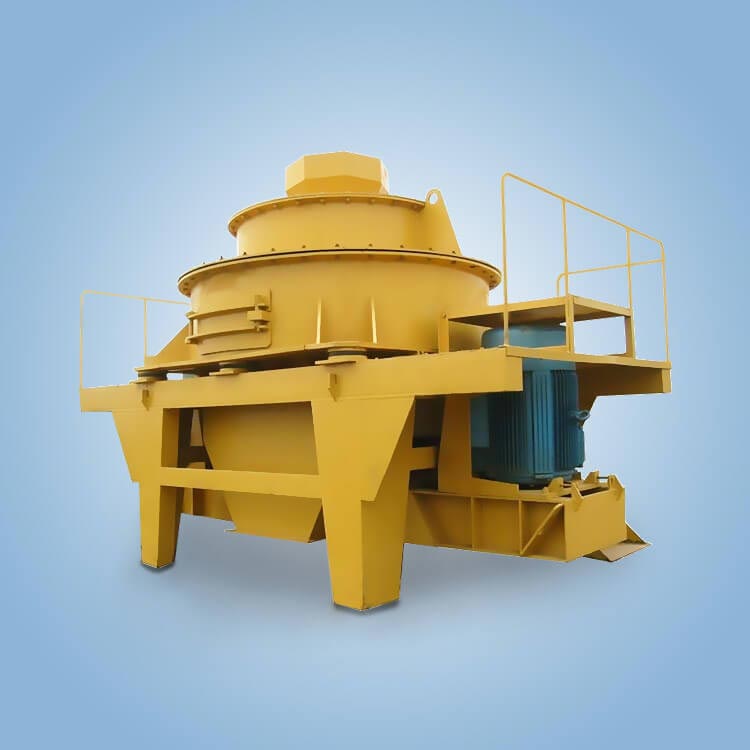
Oilseeds Flaking Machine
Ready to Produce Premium Aromatic Oils?
Tell us your seed type, daily capacity and target flavor profile — our engineers will configure the optimal roasting system for your aromatic oil production.
Send Us a Message
Fill in your project details below — our engineering team typically responds within 48 hours with a customized proposal and preliminary process flow diagram.