
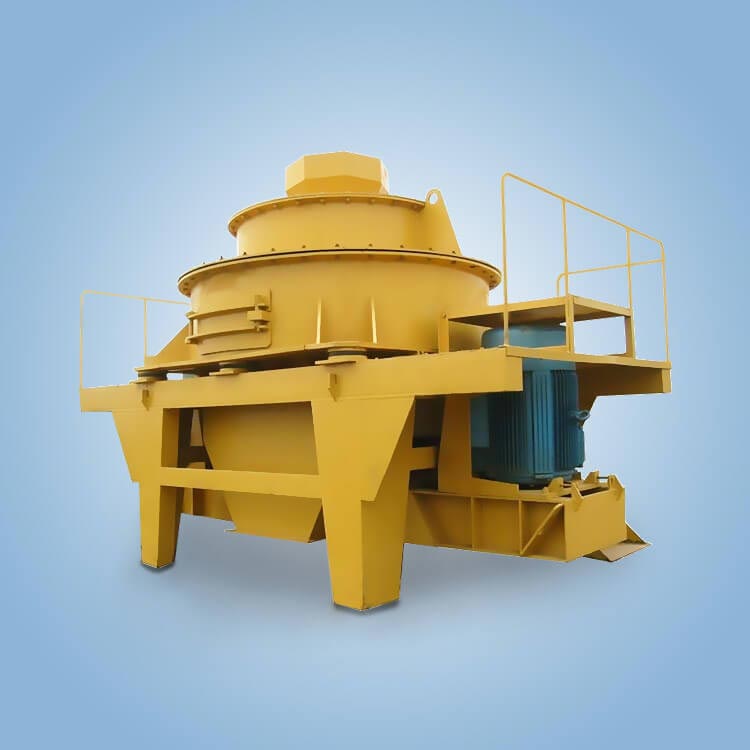
High-Precision Flaking Mill for Optimal Oilseed Flake Production
The Huatai Oilseeds Flaking Machine is the critical pretreatment equipment that converts crushed oilseed particles into thin, uniform flakes of 0.25-0.4mm thickness. Flaking ruptures the oil cell walls and dramatically increases the surface area of the oilseed material, creating short penetration paths for solvent during extraction. The quality of the flake directly determines extraction efficiency and residual oil levels in the finished meal. Our flaking mills feature hydraulic roll pressing systems with automatic gap adjustment that maintain precise flake thickness under varying material flow rates. Available with roll diameters from 400 to 800mm and roll lengths from 800 to 1,500mm, the machines cover capacity requirements from 20 to 800 TPD across all major oilseed types.Technical Specifications
| Parameter | Value |
|---|---|
| Capacity | 20 – 800 TPD |
| Flake Thickness | 0.25 – 0.4 mm |
| Roll Diameter | 400 – 800 mm |
| Roll Length | 800 – 1,500 mm |
| Roll Gap Control | Hydraulic with automatic adjustment |
| Roll Pressing Force | Adjustable via hydraulic pressure |
| Motor Power | 15 – 75 kW |
| Roll Surface Hardness | HRC 55-62 (wear-resistant) |
| Feeding Method | Magnetic feeding roller |
| Material of Construction | Chilled cast iron / alloy steel rolls |
Oilseed Flaking Working Principle
Hydraulic roll pressing converts crushed oilseed particles into thin flakes, rupturing cell walls for efficient solvent extraction.
Crushed Material Feeding
Conditioned oilseed particles (4-6 segments from the crusher) are fed evenly across the full width of the flaking mill via a magnetic feeding roller. The feeding roller ensures uniform distribution and controls the material layer thickness entering the roll gap, which is essential for consistent flake quality.
Roll Gap Adjustment
The hydraulic system precisely sets the gap between the two counter-rotating rolls based on the target flake thickness. Load sensors continuously monitor the pressing force and feed rate, automatically adjusting the gap to compensate for variations in material flow — ensuring consistent 0.25-0.4mm flake thickness throughout the production run.
High-Pressure Flaking
The two massive rolls rotate toward each other, gripping the oilseed particles and subjecting them to intense pressure as they pass through the narrow gap. This high-pressure compression ruptures the oil cell walls and flattens the particles into thin flakes, creating thousands of micro-channels for solvent penetration during extraction.
Flake Thickness Verification
Flakes exiting the roll gap are sampled and measured to verify thickness compliance. The hydraulic control system uses real-time feedback from load sensors to make fine adjustments, maintaining the target 0.25-0.4mm thickness range. Consistent flake thickness is critical for uniform solvent percolation through the extraction bed.
Discharge to Extractor
Uniform oilseed flakes are discharged from the flaking mill and conveyed directly to the solvent extractor or puffing machine. The thin, consistent flakes provide maximum surface area and minimal solvent penetration distance, enabling efficient oil extraction with residual oil levels below 1% in the de-fatted meal.
Why Choose Huatai Flaking Machine
Precision Thickness Control
The hydraulic roll pressing system maintains flake thickness within the critical 0.25-0.4mm range with exceptional consistency. This precision directly impacts extraction performance — flakes that are too thick increase residual oil, while flakes that are too thin can form an impermeable bed that blocks solvent percolation. Our control system eliminates both problems.
Hydraulic Roll Pressing
Powerful hydraulic cylinders provide the massive pressing force needed to flatten even hard oilseed particles into thin flakes. The hydraulic system responds instantly to changes in material flow, maintaining consistent pressure and flake quality regardless of feed rate variations — a critical advantage over mechanical spring-based systems.
Automatic Gap Adjustment
Load sensors on the rolls detect changes in material flow and automatically adjust the roll gap through the hydraulic system. This intelligent feedback control maintains consistent flake thickness without operator intervention, reducing quality variation and freeing operators to focus on other critical process parameters.
Applicable Oilseed Materials
Huatai flaking machines produce quality flakes from all major oilseed materials for solvent extraction.
Soybean
After crushing to 4-6 segments, soybean is flaked to 0.25-0.3mm for direct solvent extraction. Soybean flaking is the highest-volume application globally.
Cottonseed
Cottonseed meats are flaked before puffing and extraction. The fibrous nature of cottonseed requires robust roll pressing for proper cell wall rupture.
Rapeseed
Small rapeseed particles are flaked to 0.25-0.35mm, typically before pre-pressing in the two-stage extraction process for high-oil seeds.
Sunflower Seed
Dehulled sunflower kernel particles are flaked to 0.3-0.4mm. The high oil content requires careful flaking to avoid excessive flake stickiness.
Rice Bran
Stabilized rice bran is pelletized before extraction, but flaking may be used for certain processing configurations requiring expanded surface area.
Frequently Asked Questions
What flake thickness is optimal for solvent extraction?
0.25-0.4mm is the optimal range for solvent extraction. Thinner flakes increase solvent penetration rate but risk forming a dense, impermeable bed that blocks solvent percolation through the extractor. Thicker flakes reduce extraction efficiency because solvent cannot fully penetrate to the center of the flake within the residence time, resulting in higher residual oil in the meal. The 0.25-0.4mm range balances these competing factors for maximum oil recovery.
Why is flaking important?
Flaking is one of the most critical steps in oilseed pretreatment because it ruptures oil cell walls and dramatically increases surface area, creating short penetration paths for solvent during extraction. Without flaking, intact cell structures prevent solvent from reaching the oil trapped inside, and extraction efficiency drops dramatically. Properly flaked material with ruptured cell walls allows solvent to penetrate quickly and thoroughly, achieving residual oil below 1% compared to 3-5% with poorly flaked material.
How is flake thickness controlled?
Hydraulic cylinders maintain precise roll gap under varying material flow rates, with automatic adjustment based on load sensors. When the feed rate increases, the hydraulic system increases pressing force to maintain the set gap; when feed rate decreases, pressure is reduced to prevent over-compression. This closed-loop control system ensures consistent 0.25-0.4mm flake thickness throughout production runs without requiring constant operator attention.
Complete Your Pretreatment Line
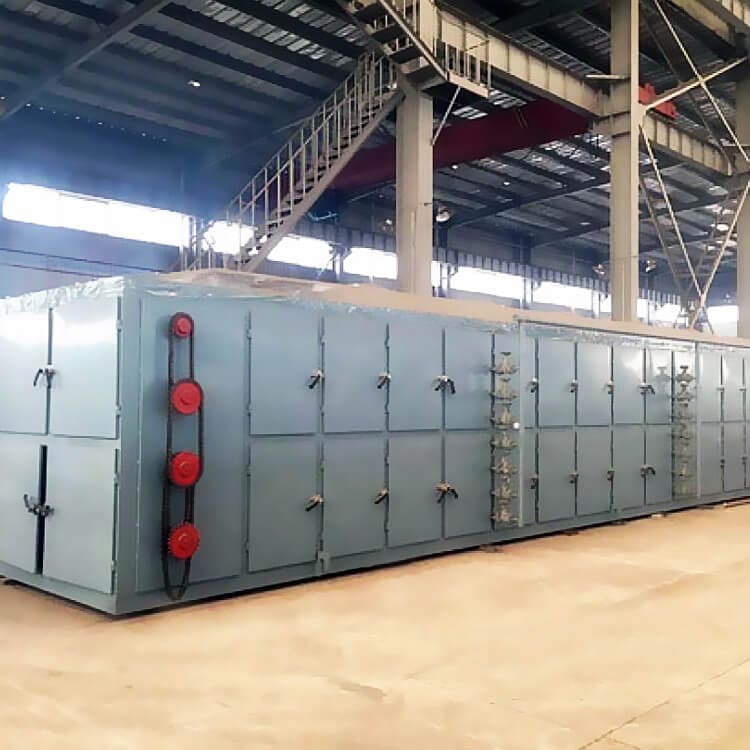
Oilseeds Roasting Machine
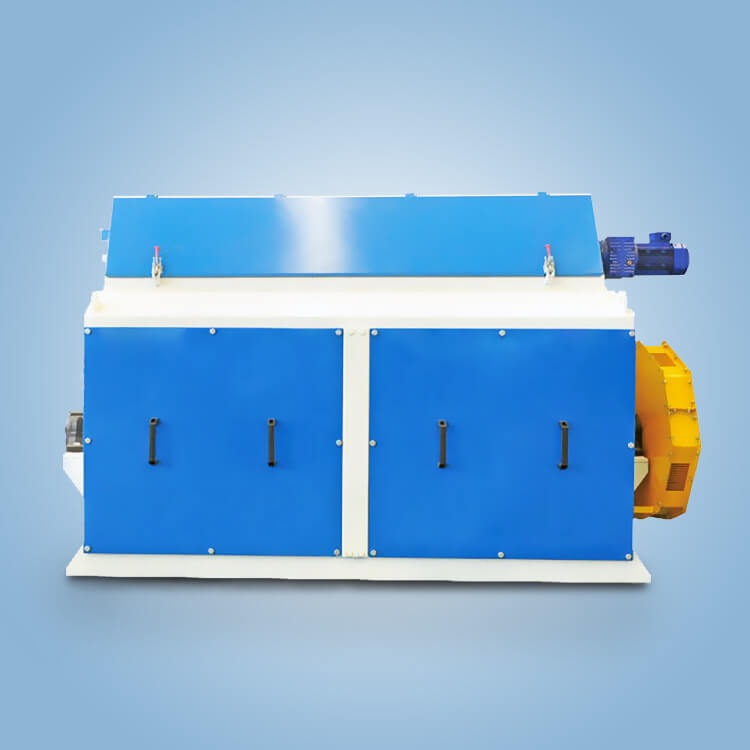
Oilseeds Sheller Machine
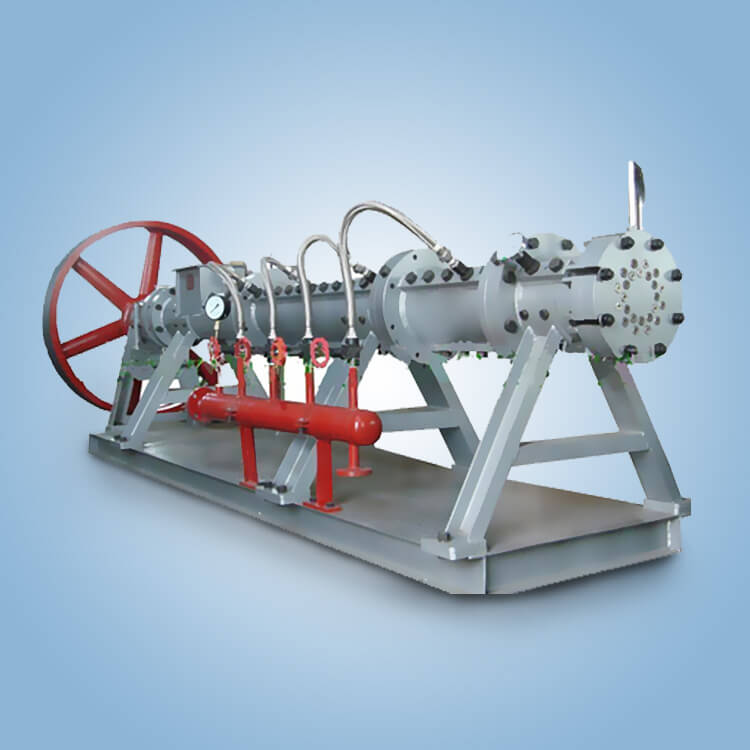
Oilseeds Puffing Machine
Ready to Optimize Your Flake Quality?
Tell us your oilseed type, daily capacity and target flake thickness — our engineers will configure the optimal flaking system for your plant.
Send Us a Message
Fill in your project details below — our engineering team typically responds within 48 hours with a customized proposal and preliminary process flow diagram.