
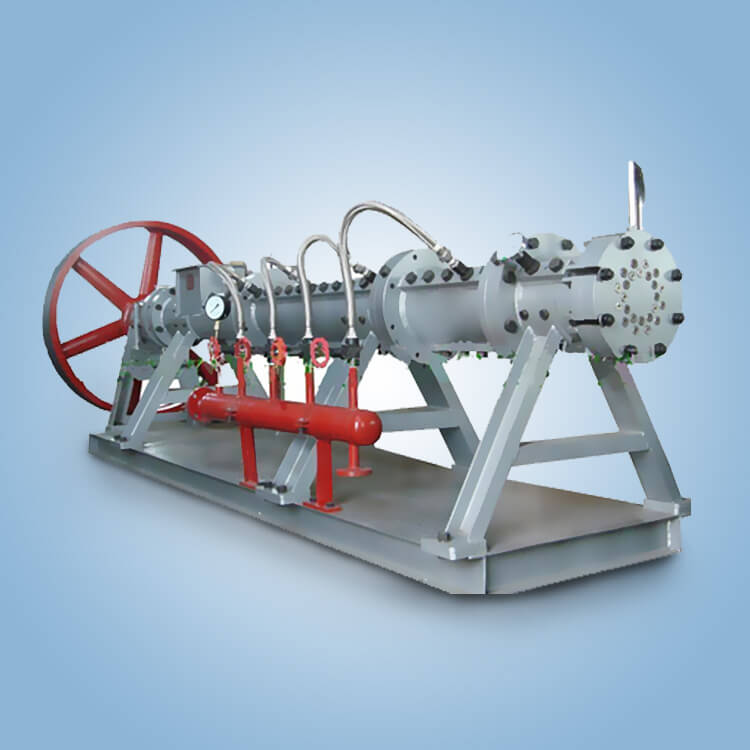
High-Temperature Short-Time Expander for Maximum Oil Recovery
The Huatai Oilseeds Puffing Machine uses high-temperature short-time (HTST) extrusion technology to transform flaked or pre-pressed oilseed material into porous, expanded collets. This structural modification dramatically improves solvent permeability during extraction by creating internal channels throughout the collet, preventing channeling and ensuring uniform solvent contact with all the oil-bearing material. Compared to flaking alone, puffing increases oil yield by 2-3% — a significant revenue improvement for any oil mill. The process also deactivates enzymes that reduce oil and meal quality, resulting in better crude oil color and higher meal protein digestibility. Available from 30 to 500 TPD, the puffing machine is especially beneficial for high-oil materials like rapeseed, corn germ and cottonseed.Technical Specifications
| Parameter | Value |
|---|---|
| Capacity | 30 – 500 TPD |
| Processing Temperature | 110 – 140 °C |
| Retention Time | 15 – 30 s |
| Operating Pressure | 1.5 – 4.0 MPa |
| Screw Diameter | 150 – 350 mm |
| Compression Ratio | 2.5 – 4.5 : 1 (material-specific) |
| Motor Power | 55 – 200 kW |
| Steam Consumption | 30 – 80 kg/t (material-dependent) |
| Collet Bulk Density | 350 – 500 kg/m³ (expanded) |
| Material of Construction | Wear-resistant alloy screw & barrel |
Oilseed Puffing Working Principle
HTST extrusion transforms dense oilseed flakes into porous expanded collets with dramatically improved solvent permeability.
Material Conditioning & Feeding
Flaked or pre-pressed oilseed material is conditioned with steam to reach the target moisture content (typically 10-12%) and temperature before entering the puffing machine. The conditioned material is fed into the extruder barrel through a controlled feeding system that ensures consistent material flow.
High-Temperature Short-Time Extrusion
Inside the extruder barrel, the rotating screw compresses and shears the material, generating frictional heat that raises the temperature to 110-140°C within 15-30 seconds. The high pressure (1.5-4.0 MPa) and temperature gelatinize starches, denature proteins and completely rupture the oil cell structure.
Pressure Release & Expansion
As the hot, pressurized material exits the extruder die, the sudden pressure drop from several MPa to atmospheric pressure causes the superheated moisture within the material to flash into steam. This instantaneous steam expansion creates thousands of internal micro-channels and pores throughout the collet.
Porous Collet Formation
The expanded collet solidifies as it cools, maintaining its porous internal structure with a bulk density of 350-500 kg/m³ — significantly lower than the original flake material. This porous structure allows solvent to penetrate uniformly throughout the collet, preventing the channeling problems common with dense flake beds.
Cooling & Discharge
The hot expanded collets are cooled and broken into uniform pieces before being conveyed to the solvent extractor. The cooling step stabilizes the collet structure and prevents sticking or collapse that could reduce permeability. The resulting collets have excellent solvent percolation characteristics and 2-3% higher oil yield.
Why Choose Huatai Puffing Machine
2-3% Oil Yield Increase
The porous collet structure created by puffing eliminates solvent channeling and ensures uniform penetration throughout the material bed in the extractor. Compared to flaking alone, this structural improvement increases oil yield by 2-3% — representing substantial additional revenue over the life of the plant. For a 500 TPD rapeseed plant, this translates to approximately 10-15 additional tons of oil per day.
Improved Meal Quality
The HTST puffing process deactivates anti-nutritional factors and enzymes (including lipase and urease) that reduce meal quality. The resulting meal has higher protein digestibility, better amino acid availability and lower residual solvent content — commanding premium prices in the animal feed market and reducing desolventizer energy consumption.
Reduced Energy Consumption
Porous collets have significantly better solvent percolation than dense flake beds, reducing the solvent-to-material ratio required for complete extraction. Lower solvent circulation means reduced evaporation energy in the distillation system and smaller solvent recovery equipment — lowering both operating costs and capital investment for the extraction plant.
Applicable Oilseed Materials
Huatai puffing machines are most beneficial for high-oil oilseed materials where extraction efficiency gains are greatest.
Rapeseed
With 38-42% oil content, rapeseed benefits enormously from puffing. The porous collet structure prevents channeling and ensures complete oil extraction from this high-oil material.
Cottonseed
Cottonseed meats form excellent expanded collets after puffing. The process also helps deactivate gossypol, improving the safety and nutritional value of the resulting meal.
Corn Germ
Corn germ (30-50% oil) is one of the materials that benefits most from puffing. The starch gelatinization during HTST extrusion creates particularly porous, well-structured collets.
Sunflower Seed
Pre-pressed sunflower seed cake benefits from puffing before extraction. The expanded collets have excellent solvent percolation characteristics and reduced residual oil.
Rice Bran
Puffing stabilizes rice bran by deactivating lipase enzymes while creating a porous structure for extraction. This dual benefit makes puffing particularly valuable for rice bran processing.
Frequently Asked Questions
What is puffing/expansion in oil processing?
Puffing (also called expansion) is a high-temperature short-time (HTST) extrusion process that modifies the physical structure of oilseed material. The material is compressed and heated inside an extruder barrel to 110-140°C under 1.5-4.0 MPa pressure for 15-30 seconds, then released through a die where the sudden pressure drop causes internal moisture to flash into steam. This creates porous expanded collets with dramatically improved solvent permeability and oil accessibility compared to conventional flaked material.
How much does puffing improve oil yield?
Puffing increases oil yield by 2-3% compared to flaking alone. This improvement comes from two mechanisms: first, the HTST extrusion completely ruptures remaining cell walls that survived the flaking process, releasing trapped oil; second, the porous internal structure created by steam expansion prevents solvent channeling in the extractor bed, ensuring uniform solvent contact with all the oil-bearing material. For a 500 TPD plant, a 2-3% yield increase represents significant additional revenue over the plant's operating life.
Which materials benefit most from puffing?
High-oil materials like rapeseed (38-42% oil), corn germ (30-50% oil) and cottonseed benefit most from puffing. With these high-oil materials, dense flake beds are particularly prone to solvent channeling — where solvent finds preferential flow paths through the bed without contacting all the material. Puffing creates a porous structure that eliminates channeling by ensuring uniform solvent percolation throughout the collet bed. Soybean (18-22% oil) also benefits, though the yield improvement is proportionally smaller.
Complete Your Pretreatment Line
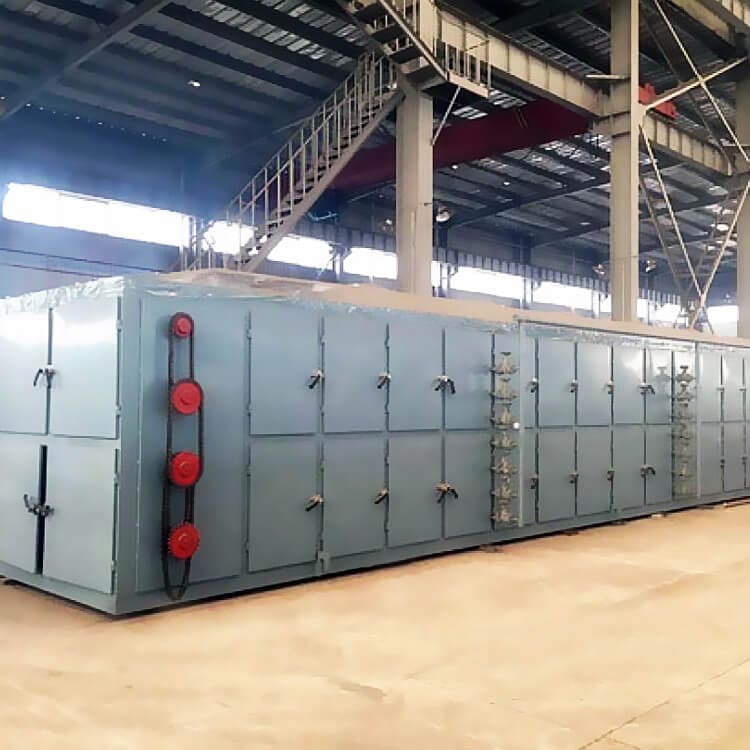
Oilseeds Roasting Machine
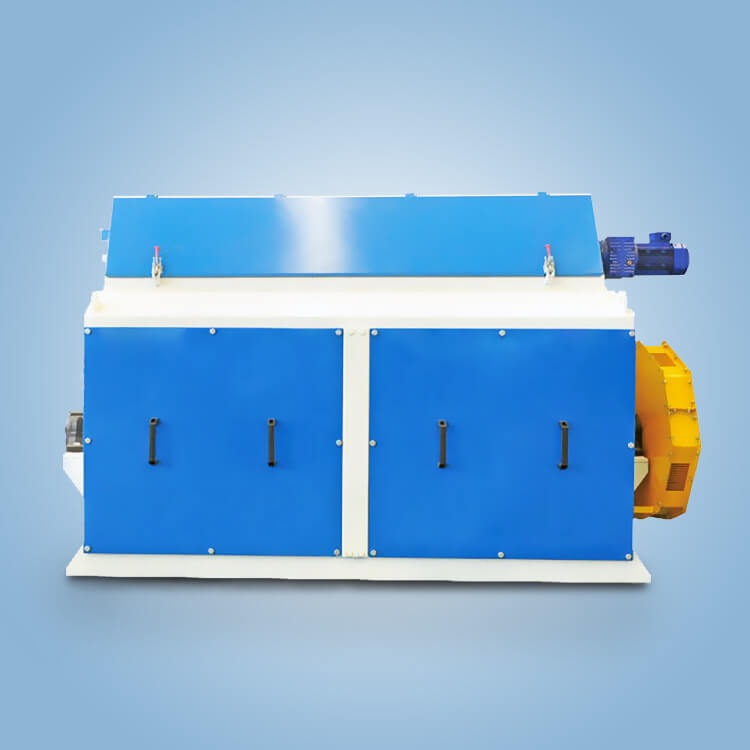
Oilseeds Sheller Machine
Oilseeds Puffing Machine
Ready to Increase Your Oil Yield by 2-3%?
Tell us your oilseed type, daily capacity and current extraction process — our engineers will design the optimal puffing system for maximum oil recovery.
Send Us a Message
Fill in your project details below — our engineering team typically responds within 48 hours with a customized proposal and preliminary process flow diagram.