
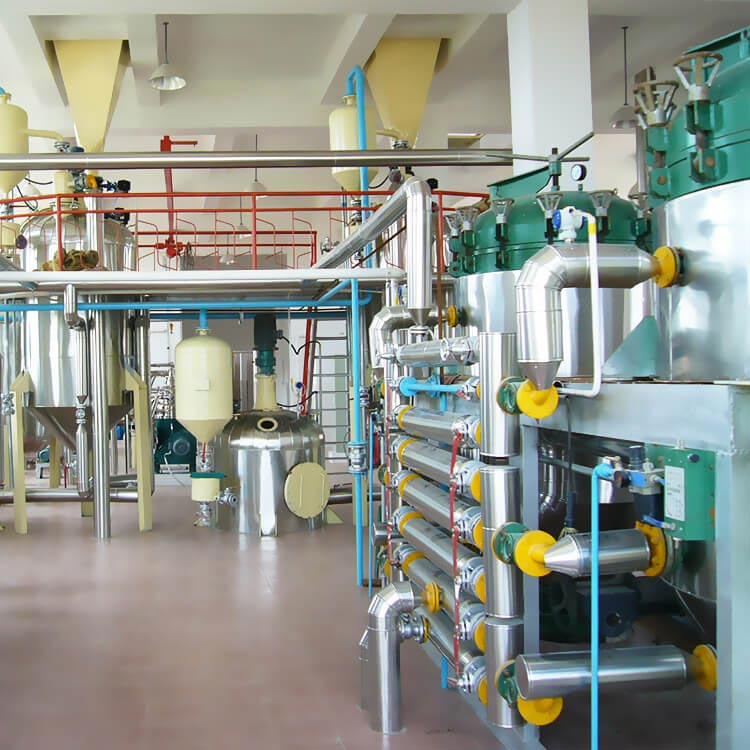
Precision Crystallization & Filtration Dewaxing System for Edible Oils
The Huatai Edible Oil Dewaxing Machine is a purpose-built crystallization and filtration system designed to remove wax esters from high-wax vegetable oils. Wax crystals that cause cloudiness and sediment at low temperatures are eliminated through controlled cooling, crystallization, and horizontal leaf filtration — ensuring your finished oil passes the 0°C cold test for 48 hours, a mandatory requirement for premium bottled oils sold in refrigerated or cold-climate markets. Available in capacities from 1 to 500 TPD, the dewaxing system integrates seamlessly into existing refining lines after bleaching and before deodorization. It handles sunflower oil, corn germ oil, rice bran oil, cottonseed oil and safflower oil with automated crystallization temperature control and continuous filtration capability.Technical Specifications
| Parameter | Specification |
|---|---|
| Capacity | 1 – 500 TPD |
| Cold Test Pass Rate | 0°C for 48 hours |
| Crystallization Temperature | 5 – 15°C |
| Filter Type | Horizontal leaf filter |
| Motor Power | 5 – 30 kW |
| Crystallization Time | 8 – 24 hours (adjustable) |
| Cooling Method | Jacketed cooling with chilled water/glycol |
| Stirring Speed | 5 – 20 rpm (variable, slow agitation) |
| Material of Construction | Stainless steel (contact parts) |
| Operation Mode | Continuous / Semi-continuous |
Dewaxing Working Principle
Controlled crystallization and filtration remove wax esters from vegetable oils to ensure clarity at low temperatures.
Oil Cooling to Crystallization Temperature
Bleached oil is gradually cooled from ambient temperature to the crystallization range of 5-15°C using jacketed crystallization tanks with chilled water or glycol circulation. The cooling rate is precisely controlled to promote the formation of large, easily filterable wax crystals.
Controlled Crystallization with Slow Stirring
During the crystallization phase, slow mechanical stirring at 5-20 rpm ensures uniform temperature distribution and crystal growth without shearing the developing wax crystals. The controlled agitation promotes the formation of stable, large-particle wax crystals that are easily captured by downstream filtration.
Crystal Maturation
The oil-crystal slurry is held at the target crystallization temperature for an extended maturation period, allowing small crystals to dissolve and re-deposit onto larger ones (Ostwald ripening). This maturation step is critical for achieving efficient filtration and low wax residue in the finished oil.
Filtration of Wax Crystals
The matured slurry is fed to horizontal leaf filters that separate the wax crystals from the clear oil. The filter leaves capture the wax while allowing dewaxed oil to pass through. Filter cake is periodically discharged, and the system can operate in semi-continuous mode with dual filter vessels.
Clear Dewaxed Oil Collection
The filtered, dewaxed oil is collected and proceeds to the deodorization stage. The finished oil passes the 0°C cold test for 48 hours, remaining crystal clear even under refrigeration — meeting the quality requirements for premium bottled oil products.
Why Choose Huatai Dewaxing Machine
0°C Cold Test Compliance
Our dewaxing system is engineered to consistently produce oil that passes the 0°C cold test for 48 hours — the industry benchmark for premium bottled oils. Precise temperature control during crystallization ensures complete wax removal, eliminating cloudiness and sediment in cold storage.
Continuous Operation
Dual horizontal leaf filter vessels enable semi-continuous or fully continuous operation, with one filter online while the other is being cleaned. This design maximizes plant uptime and throughput, especially important for large-capacity refineries processing 200+ TPD.
Automated Crystallization Control
PLC-controlled cooling profiles manage the entire crystallization cycle — from initial cooling rate through maturation temperature hold. Automated temperature ramping eliminates operator error and ensures consistent crystal formation across every batch, regardless of oil type or ambient conditions.
Applicable Oil Types
Huatai dewaxing machines process all major high-wax vegetable oils requiring cold test compliance.
Sunflower Oil
Sunflower oil contains significant wax esters from seed hulls that cause cloudiness below 10°C. Dewaxing is essential for premium bottled sunflower oil sold in cold-climate markets.
Corn Germ Oil
Corn germ oil carries waxy substances from the germ that crystallize at refrigeration temperatures. Dewaxing ensures the clarity required for salad oil and bottled consumer products.
Rice Bran Oil
Rice bran oil contains high levels of rice bran wax with a melting point above 75°C. Without dewaxing, the oil develops a heavy cloudy appearance and sediment at room temperature.
Cottonseed Oil
Cottonseed oil contains wax from seed coat residues. Dewaxing combined with winterization produces clear, stable oil suitable for salad oil and frying applications.
Safflower Oil
High-oleic and high-linoleic safflower oils both benefit from dewaxing to maintain clarity and prevent sediment formation during cold storage and distribution.
Frequently Asked Questions
Which oils require dewaxing?
Sunflower, corn germ, rice bran and cottonseed oils contain high-melting wax esters that cause cloudiness at low temperatures. Dewaxing ensures clarity even under refrigeration. Oils such as soybean and rapeseed have low wax content and typically do not require dewaxing.
What is the cold test?
The cold test requires oil to remain clear at 0°C for 48 hours, a standard requirement for premium bottled oils sold in cold climates. It verifies that wax and high-melting-point components have been adequately removed. Oil that fails the cold test will develop haze or sediment, making it unsuitable for premium retail packaging.
Can dewaxing be combined with winterization?
Yes, dewaxing and winterization are often performed in the same crystallization-filtration system, with the crystallization temperature adjusted to target both wax esters and high-melting triglycerides. This combined approach saves equipment cost and floor space while producing oil with excellent low-temperature stability.
Complete Your Refining Line
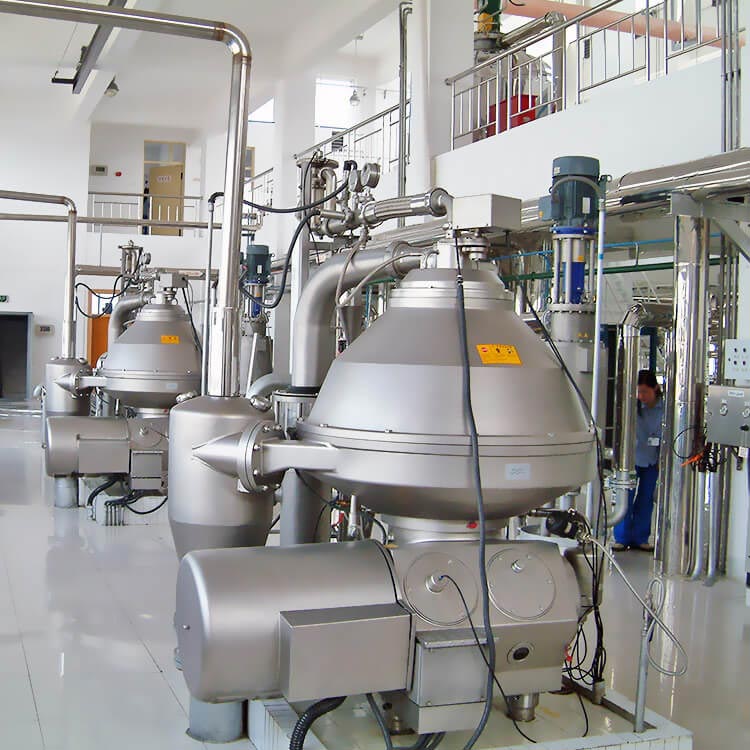
Oil Refining Deacidification S
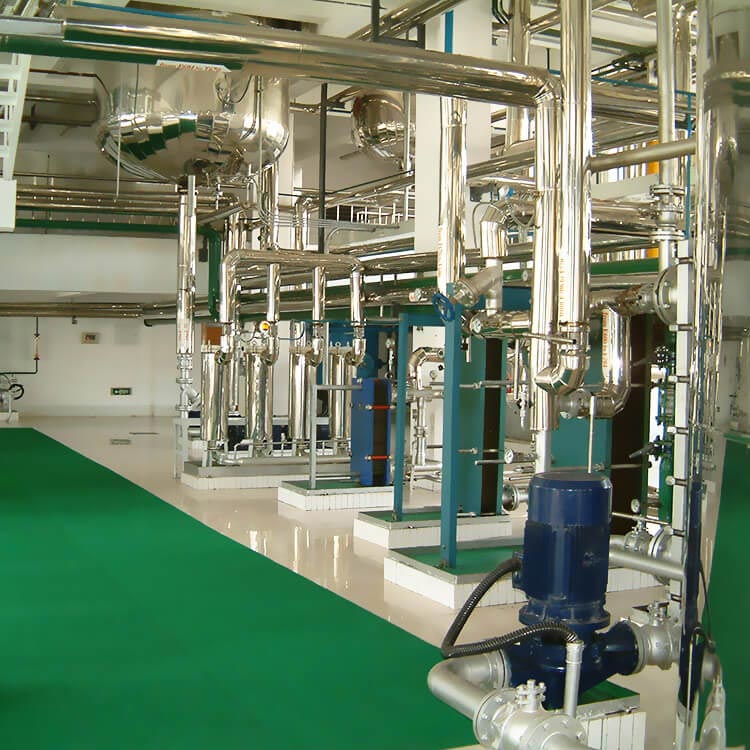
Oil Refining Plant Degumming S
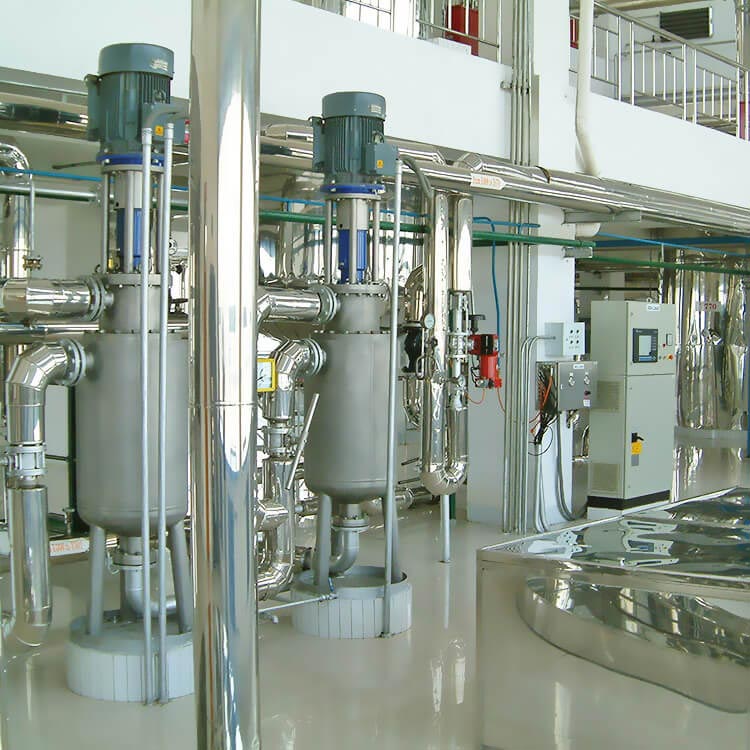
Edible Oil Decolorizing Equipm
Need a Dewaxing System That Passes the Cold Test?
Tell us your oil type, daily capacity and target cold test standard — our engineers will design the optimal dewaxing system for your refinery.
Send Us a Message
Fill in your project details below — our engineering team typically responds within 48 hours with a customized proposal and preliminary process flow diagram.