
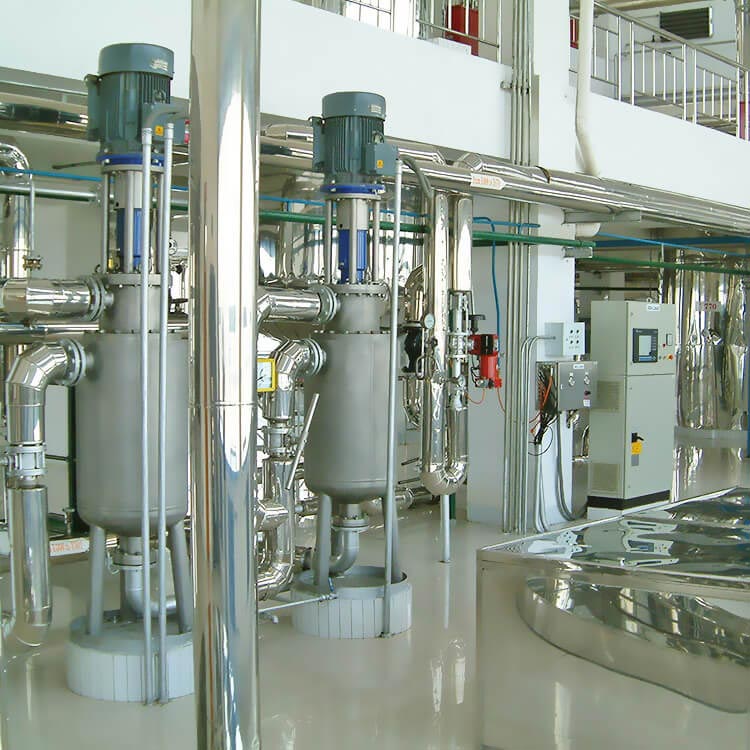
Continuous Vacuum Bleaching System for Superior Color Removal
The Huatai Edible Oil Decolorizing Equipment is a continuous vacuum bleaching system designed to remove color pigments, chlorophyll, residual soap and oxidation products from neutralized vegetable oils. Operating under vacuum at 90-110°C, the system uses activated bleaching earth (clay) to adsorb pigments while protecting the oil from thermal oxidation — ensuring bright, clear oil with excellent Lovibond color values ready for deodorization. Available in capacities from 1 to 500 TPD, the decolorizing system features automated clay dosing (0.5-3% of oil weight), precisely controlled contact time of 20-30 minutes, and efficient filtration to remove spent clay with minimal oil retention. The system processes all vegetable oils requiring color removal, from lightly pigmented soybean oil to heavily colored palm and cottonseed oils.Technical Specifications
| Parameter | Specification |
|---|---|
| Capacity | 1 – 500 TPD |
| Bleaching Earth Dosage | 0.5 – 3% of oil weight |
| Operating Temperature | 90 – 110°C |
| Vacuum Level | 50 – 100 mmHg |
| Motor Power | 3 – 15 kW |
| Contact Time | 20 – 30 minutes |
| Stirring Speed | 60 – 120 rpm |
| Filter Type | Vertical leaf / Horizontal leaf |
| Material of Construction | Stainless steel (contact parts) |
| Operation Mode | Continuous |
Vacuum Bleaching Working Principle
Activated clay adsorbs color pigments and impurities from oil under controlled vacuum and temperature conditions.
Pre-Mixing Oil with Activated Clay
Neutralized oil is heated to bleaching temperature and mixed with a precisely measured dose of activated bleaching earth (0.5-3% of oil weight). The pre-mixing stage ensures uniform clay dispersion throughout the oil, maximizing the contact surface area between clay particles and pigment molecules for efficient adsorption.
Vacuum Bleaching at 90-110°C
The oil-clay mixture enters the vacuum bleaching vessel where it is held at 90-110°C under vacuum (50-100 mmHg). The vacuum environment serves two critical purposes: it removes moisture and air from the clay to activate its adsorption capacity, and it prevents thermal oxidation of the oil at the elevated bleaching temperature.
Contact Time 20-30 Minutes
The oil-clay slurry is held in the bleaching vessel for 20-30 minutes with mechanical agitation at 60-120 rpm. This residence time allows the activated clay to fully adsorb color pigments (carotenoids, chlorophyll), residual soap, trace metals and primary oxidation products, achieving the target Lovibond color specification.
Filtration to Remove Spent Clay
The bleached oil-clay slurry is cooled and pumped through leaf filters that capture the spent bleaching earth while allowing clear bleached oil to pass. Dual filter vessels enable continuous operation — one filter online while the other is cleaned. The filter cake (spent clay) is blown with steam to recover retained oil before discharge.
Bleached Oil to Deodorization
The clear, bleached oil — now free of color pigments, soap residues and oxidation products — is transferred to the deodorization stage. The improved color and purity ensure efficient deodorization and a finished oil with excellent appearance, flavor and shelf life.
Why Choose Huatai Decolorizing Equipment
Continuous Vacuum Bleaching
Our continuous bleaching system operates under controlled vacuum (50-100 mmHg), eliminating oxygen from the bleaching environment. This prevents thermal oxidation at the 90-110°C operating temperature, protecting the oil from off-flavor development and preserving its natural oxidative stability and shelf life.
Minimal Oil Retention in Clay
Advanced leaf filter design with steam blowing reduces oil retention in spent clay to below 20%, compared to 30-40% with conventional filters. This directly increases your oil yield and reduces the cost of lost oil in waste clay. The low-retention design is especially important for high-value oils where every ton of recovered oil adds to profitability.
Automated Clay Dosing
PLC-controlled clay dosing systems measure and inject the precise amount of bleaching earth based on oil flow rate and target color specification. Automated dosing eliminates over-usage that wastes clay and increases oil loss, while ensuring consistent bleaching results regardless of variations in incoming oil color.
Applicable Oil Types
Huatai decolorizing equipment processes all vegetable oils requiring color removal.
Soybean Oil
Lightly pigmented soybean oil requires minimal bleaching earth (0.5-1.0%) to achieve target color. Vacuum bleaching removes residual soap and chlorophyll from the degumming and neutralization stages.
Palm Oil
Heavily pigmented palm oil requires higher bleaching earth dosage (1.5-3.0%) to achieve the bright golden color demanded by consumers. The high carotene content requires extended contact time for effective removal.
Rapeseed Oil
Rapeseed oil contains chlorophyll pigments that require activated clay with high chlorophyll adsorption capacity. Dosage typically ranges from 1.0-2.0% depending on initial color.
Cottonseed Oil
Cottonseed oil contains gossypol and other pigments requiring higher bleaching earth dosages (1.5-2.5%). Vacuum bleaching is essential to remove these pigments without oxidizing the oil.
Sunflower Oil
Sunflower oil requires moderate bleaching (0.5-1.5%) to remove carotenoid pigments and residual soap. The resulting oil achieves excellent Lovibond color values for premium bottled products.
Rice Bran Oil
Rice bran oil contains complex pigments including oryzanol-related color bodies. Activated clay dosages of 1.0-2.5% effectively decolorize while preserving beneficial oryzanol content.
Frequently Asked Questions
Why is bleaching performed under vacuum?
Vacuum prevents oxidation of oil at the elevated temperatures (90-110°C) required for effective adsorption. Without vacuum, the oil would develop off-flavors and reduced shelf life. The vacuum also removes moisture and air from the bleaching earth, activating its adsorption capacity and improving pigment removal efficiency. Atmospheric bleaching at these temperatures would cause significant quality degradation.
How much bleaching earth is needed?
Typical dosage ranges from 0.5% for light-colored oils to 3% for heavily pigmented oils like palm oil and cottonseed oil. Dosage is optimized to achieve target Lovibond color with minimal oil loss. Over-dosing wastes clay and increases oil loss through retention in spent clay, while under-dosing fails to achieve color specifications. Our automated dosing system calculates the optimal dosage based on real-time oil color measurement.
What happens to spent bleaching earth?
Spent clay contains 20-40% residual oil. It can be extracted to recover oil, used as a boiler fuel supplement, or added to animal feed in limited quantities. Huatai's low-oil-retention filter design minimizes oil content in spent clay to below 20%, reducing waste and maximizing your plant's oil yield. The reduced oil content also lowers the risk of spontaneous combustion during spent clay storage and disposal.
Complete Your Refining Line
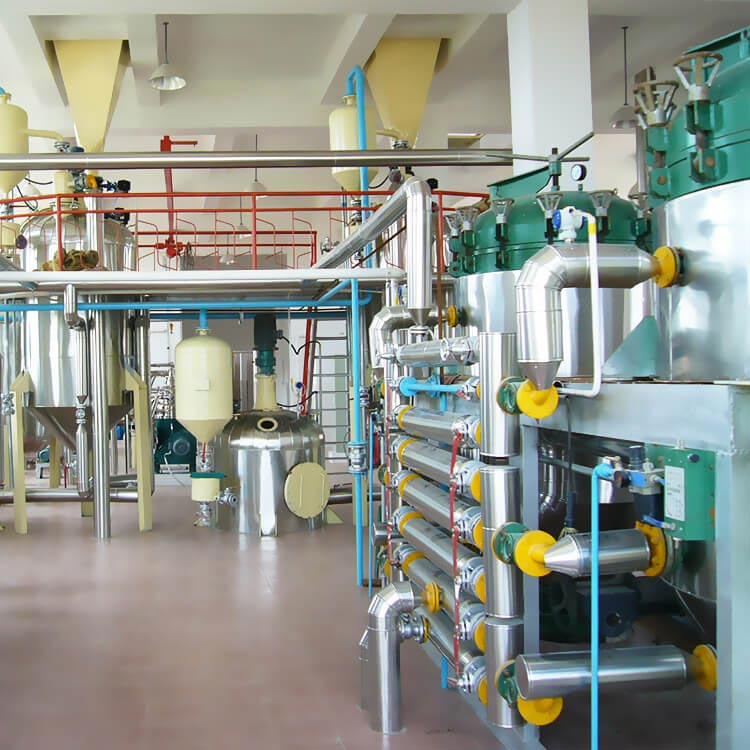
Edible Oil Dewaxing Machine
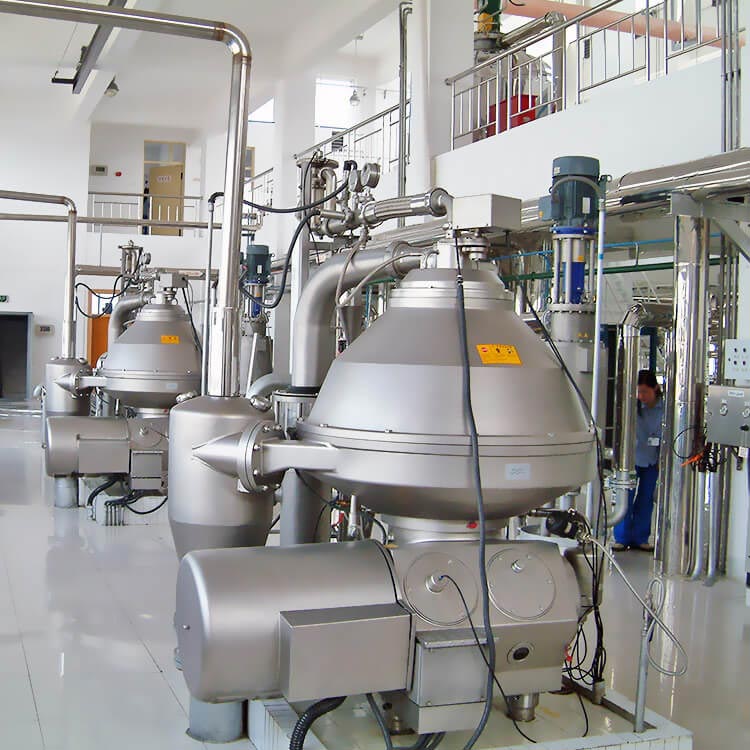
Oil Refining Deacidification S
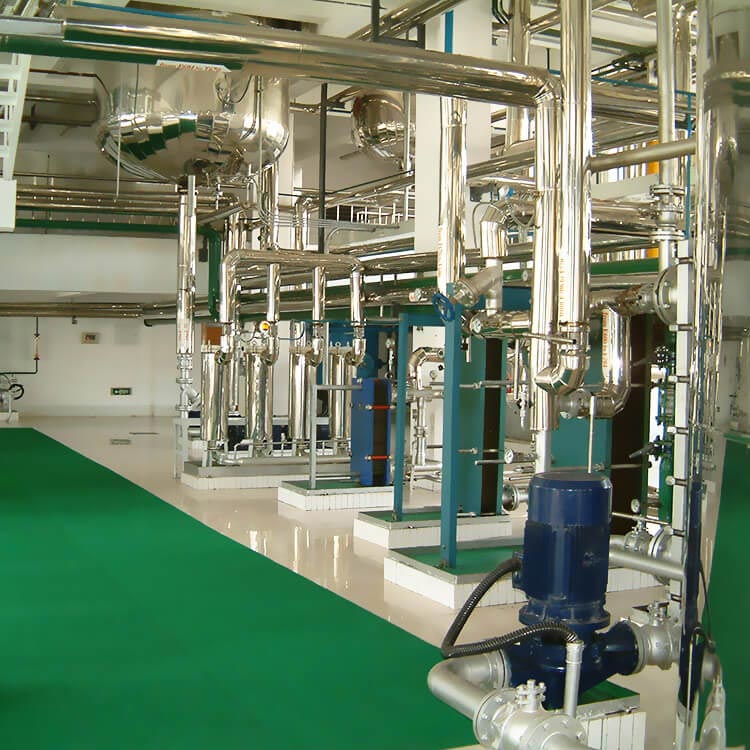
Oil Refining Plant Degumming S
Need a Decolorizing System for Your Refinery?
Tell us your oil type, target Lovibond color and daily capacity — our engineers will configure the optimal bleaching system for your project.
Send Us a Message
Fill in your project details below — our engineering team typically responds within 48 hours with a customized proposal and preliminary process flow diagram.