
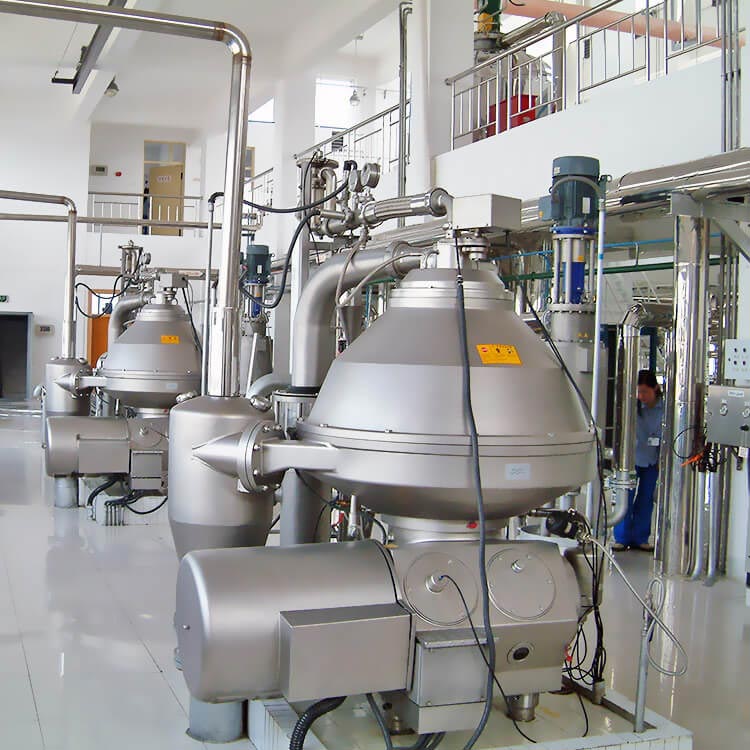
Dual-Method Deacidification for Optimal FFA Removal
The Huatai Oil Refining Deacidification System removes free fatty acids (FFA) from degummed vegetable oils using both chemical neutralization and physical steam stripping methods. Whether your crude oil has moderate FFA levels (2-3%) suitable for chemical refining, or high FFA content (5-6%) in palm or rice bran oil that benefits from physical refining, our system delivers finished oil with acid values below 0.2 mg KOH/g — meeting international standards for refined edible oil. Available in capacities from 1 to 500 TPD, the deacidification system can be configured for chemical refining (alkali neutralization with soapstock separation), physical refining (steam stripping under high vacuum), or a combination of both. This flexibility allows refiners to optimize processing costs and oil yield based on the FFA content of their incoming crude oil.Technical Specifications
| Parameter | Specification |
|---|---|
| Capacity | 1 – 500 TPD |
| FFA Reduction | From 2-6% to <0.2 mg KOH/g |
| Methods | Chemical (alkali) + Physical (steam stripping) |
| Neutralization Temperature | 60 – 90°C |
| Motor Power | 5 – 30 kW |
| Alkali Concentration | 8 – 16°Bé (adjustable) |
| Physical Refining Vacuum | < 3 mmHg absolute |
| Steam Stripping Temperature | 240 – 260°C |
| Material of Construction | Stainless steel (contact parts) |
| Operation Mode | Continuous |
Deacidification Working Principle
Chemical neutralization or physical steam stripping removes free fatty acids from degummed oil, depending on FFA content and oil type.
FFA Analysis & Reagent Dosing
The FFA content of incoming degummed oil is analyzed, and the appropriate reagent dosage is calculated automatically. For chemical refining, sodium hydroxide (caustic soda) solution at 8-16°Bé is precisely dosed based on FFA content plus a small excess. For physical refining, the oil proceeds directly to high-vacuum steam stripping.
Alkali Neutralization or Steam Stripping
Chemical refining: Caustic soda reacts with free fatty acids at 60-90°C to form soap (soapstock), which is separated by centrifuge. Physical refining: Oil is heated to 240-260°C under high vacuum (<3 mmHg) and steam is injected to strip FFA as fatty acid distillate — no alkali is required, and neutral oil loss is minimized.
Soapstock Separation
In chemical refining, the soapstock-oil mixture is separated in a high-speed disc centrifuge. The heavy soapstock phase (containing neutralized fatty acids, phospholipids and pigments) is discharged, while the light oil phase continues to water washing. The soapstock is collected for acidulation and by-product recovery.
Water Washing
Neutralized oil is washed with hot soft water (10-15% of oil weight) to remove residual soap and alkali traces. A second centrifuge separates the wash water from the oil. Proper washing is essential to prevent soap carryover into the bleaching stage, which would deactivate bleaching earth.
Neutralized Oil to Bleaching
The washed, neutralized oil is dried under vacuum and transferred to the bleaching (decolorizing) stage. The oil now has an acid value below 0.2 mg KOH/g and soap content below 50 ppm — ready for effective color removal with minimal bleaching earth consumption.
Why Choose Huatai Deacidification System
Dual-Method Flexibility
Our deacidification systems can be configured for both chemical and physical refining, with the process selected based on the FFA level of the incoming crude oil. Low-FFA oils (soybean, rapeseed) use chemical refining for simplicity, while high-FFA oils (palm, rice bran) benefit from physical refining's lower neutral oil loss and valuable fatty acid by-product.
FFA Below 0.2 mg KOH/g
Both chemical and physical deacidification methods consistently achieve acid values below 0.2 mg KOH/g, meeting international standards for refined edible oil. Precise reagent dosing control and optimized reaction conditions ensure stable, repeatable results across varying crude oil qualities and FFA levels.
Minimal Neutral Oil Loss
Advanced centrifuge separation technology and optimized alkali dosing minimize the entrainment of neutral oil in soapstock. For physical refining, the absence of alkali eliminates emulsification-related oil loss entirely. The result is maximum oil yield — typically 0.3-0.8% higher than conventional chemical refining for high-FFA oils.
Applicable Oil Types
Huatai deacidification systems process all major vegetable oils requiring FFA removal.
Soybean Oil
Soybean oil typically has 1-2% FFA, well-suited for chemical refining. Alkali neutralization followed by centrifugation effectively removes FFA while producing soapstock for acidulation.
Palm Oil
Crude palm oil often has 3-5% FFA, making physical refining the preferred method. Steam stripping avoids the high neutral oil loss associated with alkali neutralization of high-FFA oils.
Rapeseed Oil
Rapeseed oil with typical FFA of 1-3% is processed by chemical refining. The moderate FFA level allows efficient neutralization with minimal oil loss.
Peanut Oil
Peanut oil FFA varies from 1-3% depending on storage conditions. Chemical refining is standard, with careful alkali dosing to protect the oil's natural flavor characteristics.
Cottonseed Oil
Cottonseed oil FFA ranges from 2-5%. The deacidification method is selected based on FFA level, with physical refining preferred for higher-FFA grades to minimize oil loss.
Sunflower Oil
Sunflower oil with typical FFA of 1-2% is processed by chemical refining. The low initial FFA ensures efficient neutralization with excellent oil yield.
Frequently Asked Questions
Chemical vs physical refining — which is better?
Chemical refining uses alkali to neutralize FFA, producing soapstock. Physical refining uses steam stripping under high vacuum, producing fatty acid distillate. Physical refining is preferred for high-FFA oils (palm, rice bran) as it reduces neutral oil loss and yields a valuable fatty acid by-product. Chemical refining is simpler and more established for low-FFA oils like soybean and rapeseed. The optimal choice depends on your crude oil FFA level, oil type, and by-product market conditions.
What happens to the soapstock?
Soapstock is typically acidulated with sulfuric acid to produce acid oil, which is sold as a raw material for soap manufacturing, animal feed or biodiesel production. The acidulation process recovers the fatty acids from the soap, creating a valuable by-product that offsets a portion of the refining cost. The water phase from acidulation is treated in the plant's wastewater system.
Can I switch between chemical and physical refining?
Huatai's deacidification systems can be configured for both methods, with the process selected based on the FFA level of the incoming crude oil. This is particularly valuable for refineries that process multiple oil types with varying FFA levels, or for plants that need to adapt to seasonal quality variations in their crude oil supply.
Complete Your Refining Line
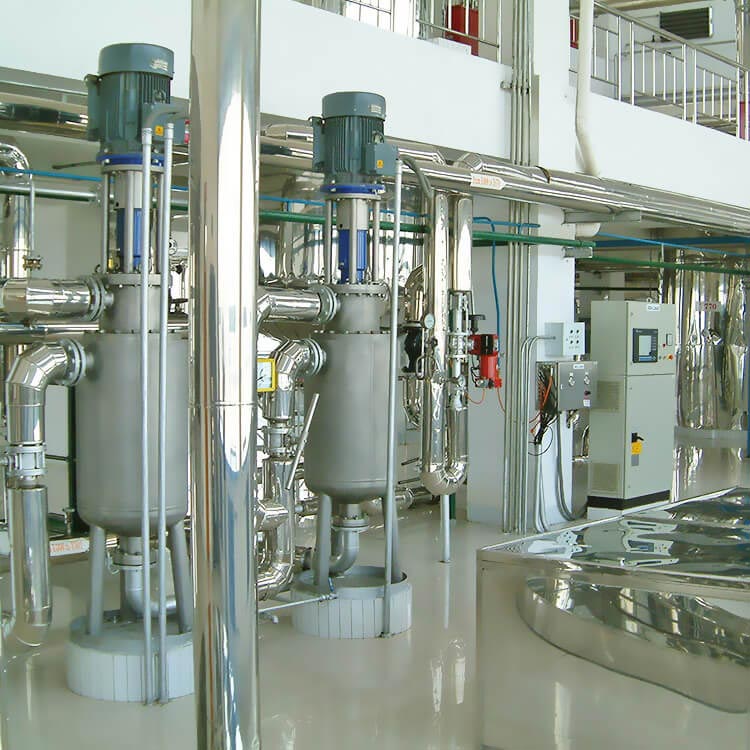
Edible Oil Decolorizing Equipm
Oil Refining Deacidification S
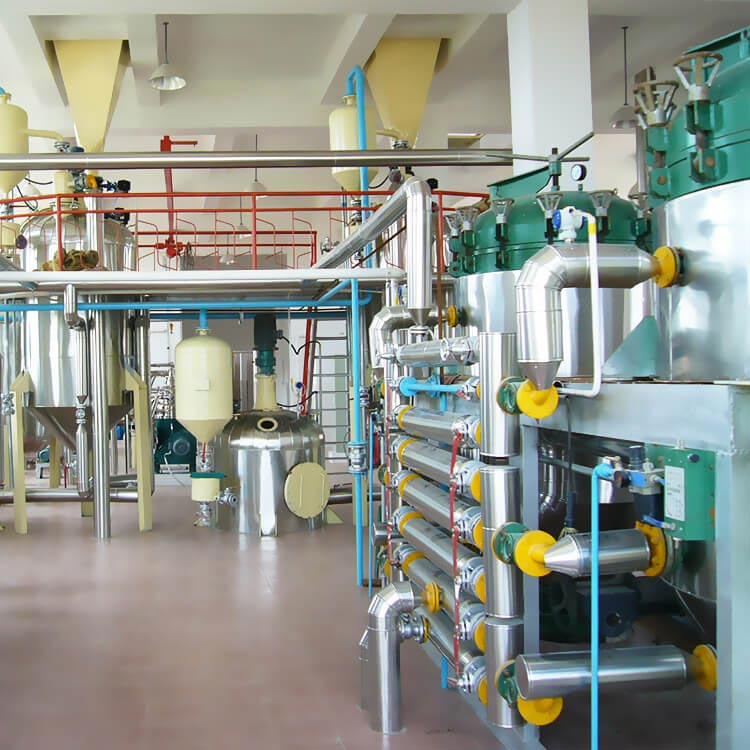
Edible Oil Dewaxing Machine
Need a Deacidification System for Your Refinery?
Tell us your oil type, FFA level and daily capacity — our engineers will design the optimal chemical or physical deacidification system for your project.
Send Us a Message
Fill in your project details below — our engineering team typically responds within 48 hours with a customized proposal and preliminary process flow diagram.