
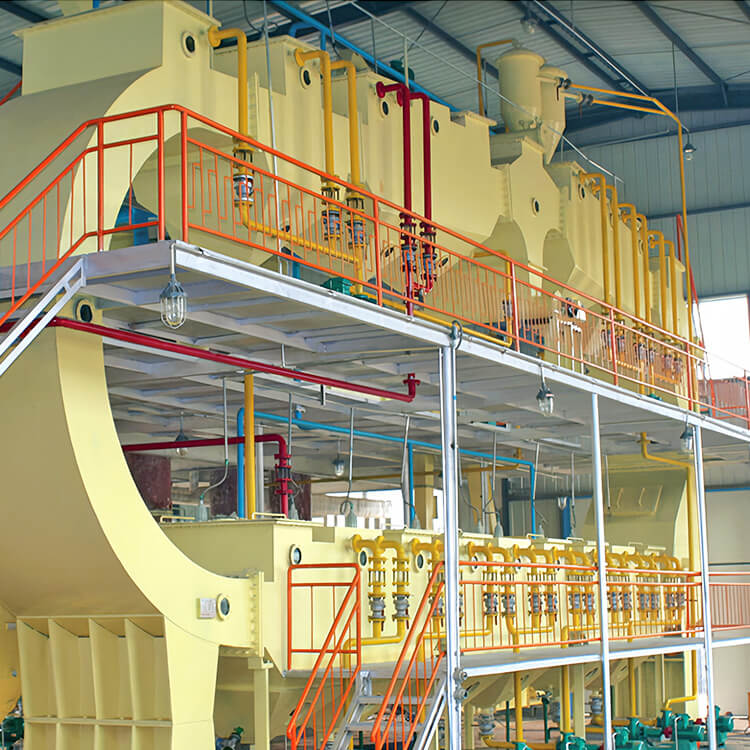
Complete Closed-Loop Solvent Recovery for Extraction Plants
The Huatai Solvent Recovery System is the environmental and economic backbone of any solvent extraction plant, ensuring that hexane solvent is efficiently recovered from every process stream and returned to the extraction loop. The complete system comprises the DTDC (Desolventizer-Toaster-Dryer-Cooler) for meal treatment, condensation equipment for vapor recovery, water-solvent separation, and mineral oil absorption for final vent gas treatment. With total solvent loss maintained below 2 kg per ton of processed material — and well-maintained systems achieving 1-1.5 kg/t — Huatai's recovery systems deliver significant operating cost savings while ensuring full compliance with environmental emission standards. Condensation rates exceed 95%, and mineral oil absorption captures over 90% of residual hexane from vent gas, making our recovery systems among the most efficient in the industry.Technical Specifications
| Parameter | Specification |
|---|---|
| Total Solvent Loss | < 2 kg/t material |
| Condensation Rate | ≥ 95% |
| Mineral Oil Absorption Rate | ≥ 90% |
| DTDC Capacity | 30 – 1,500 TPD |
| Cooling Water Temperature | ≤ 32°C |
| Solvent in Meal after DTDC | < 500 ppm |
| Meal Moisture after DTDC | 10 – 13% |
| Number of Condenser Stages | 3 – 6 (configurable) |
| Material of Construction | Stainless steel (contact parts) |
Solvent Recovery Working Principle
A multi-stage closed-loop system recovers hexane from meal, miscella vapors and vent gas for continuous recycling.
DT Desolventizing & Toasting
Wet meal from the extractor enters the DTDC (Desolventizer-Toaster-Dryer-Cooler), a multi-deck vertical vessel where direct steam contact removes residual hexane from the meal. The upper desolventizing section drives off solvent vapor, while the lower toaster section uses indirect steam to develop meal protein quality through controlled heat treatment.
Vapor Condensation
Solvent vapors from the DT, evaporator and stripper are directed to a multi-stage condenser system. The condensers — typically shell-and-tube type with cooling water at ≤32°C — condense the hexane vapor back to liquid, achieving a condensation rate of ≥95%. The condensed liquid flows to the water-solvent separator.
Water-Solvent Separation
Since hexane and water are immiscible, the condensate naturally separates in the water-solvent separator tank. The lighter hexane layer is decanted and returned to the solvent work tank, while the water layer (containing trace hexane) is sent to the waste water stripping column for final hexane removal before discharge.
Mineral Oil Absorption
After condensation, the non-condensable vent gas still contains 50-150 g/m³ of hexane vapor. This gas passes through a mineral oil absorption column where cold mineral oil (paraffin oil) absorbs over 90% of the residual hexane. The rich mineral oil is then stripped of hexane by steam and recycled, while clean vent gas is safely released to atmosphere.
Recovered Solvent Recycling
All recovered hexane from the condenser system, water-solvent separator and mineral oil stripper is collected in the solvent work tank and pumped back to the extractor for reuse. This closed-loop recycling minimizes fresh solvent consumption and keeps total solvent loss below 2 kg per ton of processed material.
Why Choose Huatai Solvent Recovery
Ultra-Low Solvent Loss
With total solvent consumption below 2 kg/t and well-maintained systems achieving 1-1.5 kg/t, our recovery systems set the industry benchmark for solvent efficiency. Given that hexane is a major operating cost in extraction plants, this performance translates directly into lower per-ton processing costs and faster return on investment.
Environmental Compliance
The mineral oil absorption system captures over 90% of residual hexane from vent gas before atmospheric discharge, ensuring compliance with international environmental emission standards. This is increasingly critical as environmental regulations tighten worldwide and plants face stricter monitoring and reporting requirements.
Closed-Loop Recycling
Every process stream — meal vapors, miscella vapors, and vent gas — is routed through the recovery system, creating a fully closed-loop solvent circuit. Recovered hexane is returned to the solvent work tank and recycled to the extractor, minimizing both operating costs and environmental impact while ensuring plant safety.
Applicable Extraction Plants
Huatai solvent recovery systems are essential components of every solvent extraction plant regardless of scale or seed type.
Soybean Extraction Plants
The largest application for solvent recovery. High throughput demands robust condensation systems and efficient DTDC desolventizing to process 100-1,500 TPD of soybean meal with solvent loss below 2 kg/t.
Rapeseed & Sunflower Plants
Pre-pressed cake operations where the DTDC must desolventize meal while achieving the toasting temperatures needed for rapeseed meal protein quality and anti-nutritional factor reduction.
Cottonseed Extraction
Cottonseed meal requires specific DTDC toasting conditions to reduce gossypol to safe levels for animal feed, making the desolventizing and toasting steps critical for product value.
Rice Bran Extraction
Rice bran pellet processing requires gentle desolventizing to preserve the quality of the defatted bran for animal feed while maintaining ultra-low solvent loss for economic operation.
Frequently Asked Questions
What is the total solvent loss per ton of material?
Our complete solvent recovery systems maintain total solvent consumption below 2 kg per ton of processed material, with well-maintained systems achieving 1-1.5 kg/t. This represents a significant cost advantage — at current hexane prices, the difference between a 2 kg/t and 5 kg/t system can amount to hundreds of thousands of dollars in annual solvent savings for a mid-size plant.
Why is mineral oil absorption needed?
After condensation, vent gas still contains 50-150 g/m³ of hexane vapor. Mineral oil absorption captures over 90% of this residual solvent, meeting environmental emission standards and reducing operating costs. Without mineral oil absorption, this residual hexane would be lost to the atmosphere — increasing both operating costs and environmental compliance risk.
What is the DTDC?
The Desolventizer-Toaster-Dryer-Cooler removes solvent from de-fatted meal by direct steam contact, then dries and cools the meal to safe storage moisture levels — all in one integrated vertical vessel. The upper section desolventizes the wet meal using direct and indirect steam, the middle section toasts the meal to develop protein quality and reduce anti-nutritional factors, and the lower section dries and cools the meal for safe storage and transport.
Complete Your Extraction Plant
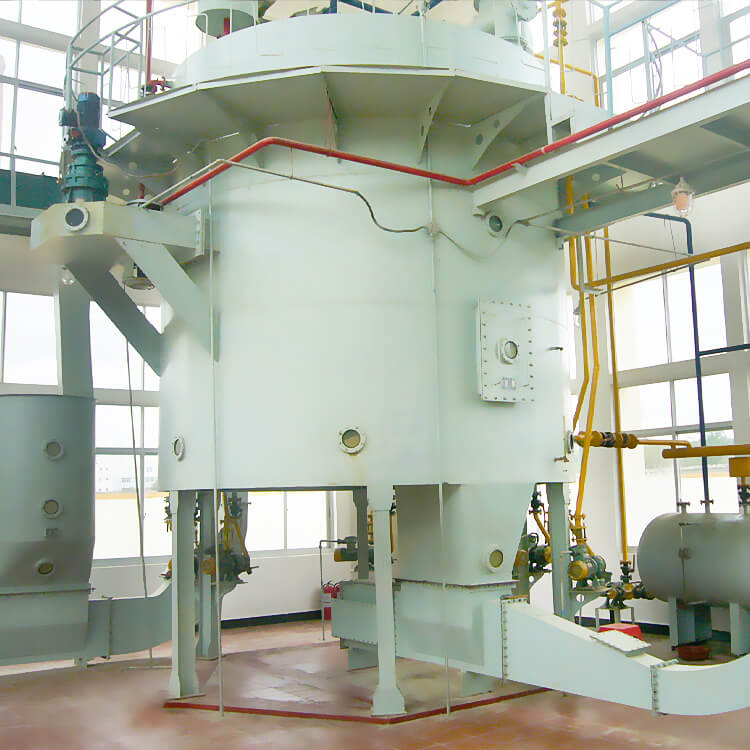
Edible Oil Extractor
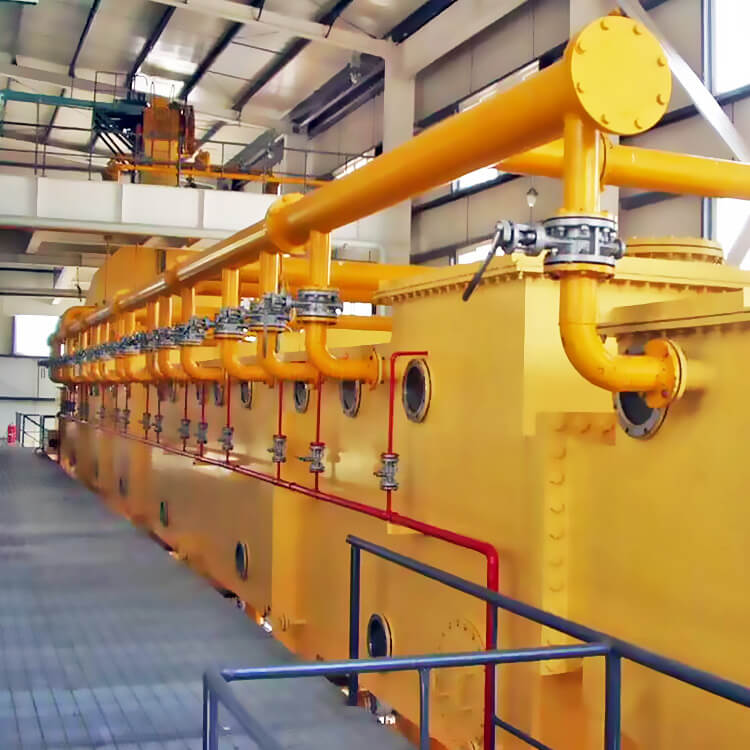
Solvent Vacuum Evaporation Sys
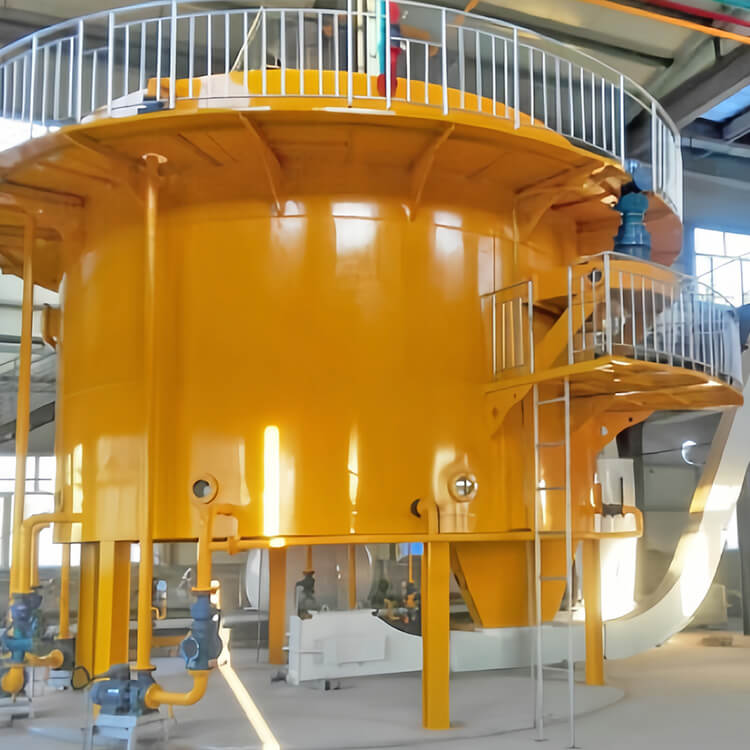
Batch Type Solvent Extraction
Ready to Minimize Your Solvent Consumption?
Tell us your extraction plant capacity and current solvent loss — our engineers will design a recovery system that maximizes solvent recycling and ensures environmental compliance.
Send Us a Message
Fill in your project details below — our engineering team typically responds within 48 hours with a customized proposal and preliminary process flow diagram.