
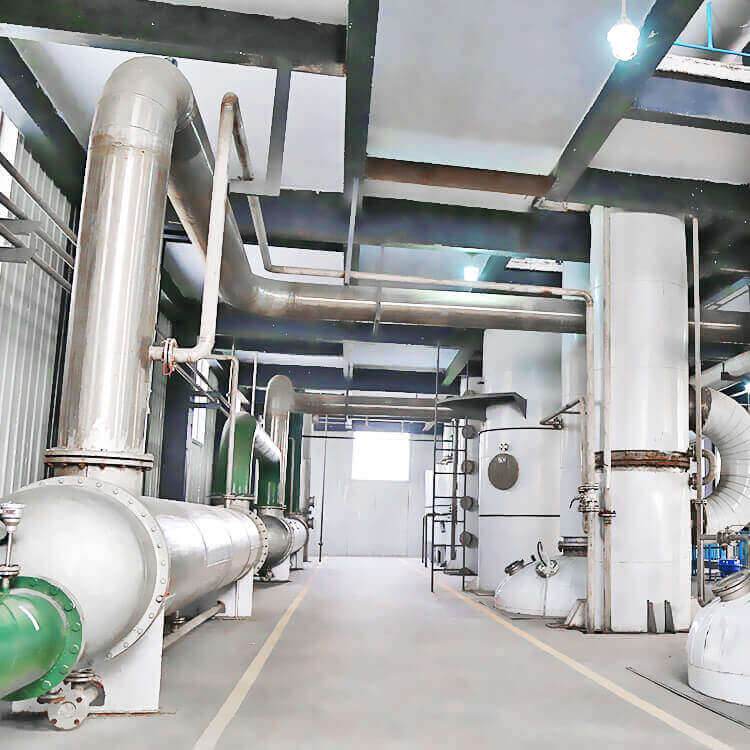
Versatile Soy Protein Concentrate Production Systems
The Huatai Soybean Protein Concentrate (SPC) Equipment offers two proven production methods — alcohol washing and acid leaching — to produce soy protein concentrate with 65-70% protein content from defatted soybean meal. SPC retains more of the soybean's natural fiber fraction than isolate, making it more cost-effective for feed applications while still providing excellent functional properties for food uses. Alcohol washing produces SPC with superior color, flavor and reduced anti-nutritional factors, preferred for food-grade applications. Acid leaching offers a simpler, lower-cost route suitable for feed-grade production. With capacities from 10 to 200 TPD, our systems serve the rapidly growing global demand for SPC in aquaculture, pet food and meat processing markets.Technical Specifications
| Parameter | Alcohol Washing | Acid Leaching |
|---|---|---|
| Capacity | 10 – 200 TPD | 10 – 200 TPD |
| Protein Content | 65 – 70% | 65 – 70% |
| Fiber Removal Rate | ≥80% | ≥75% |
| Motor Power | 15 – 75 kW | 15 – 75 kW |
| Alcohol Concentration | 60 – 80% | N/A |
| Leaching pH | N/A | 4.2 – 4.8 |
| Anti-nutritional Factor Reduction | Excellent | Good |
| Product Flavor | Mild / neutral | Slightly beany |
| Material of Construction | Stainless steel (contact parts) | Stainless steel (contact parts) |
Soy Protein Concentrate Working Principle
Removing soluble carbohydrates from defatted meal to concentrate the protein and fiber fraction.
Defatted Meal Grinding
Defatted soybean meal (white flakes) from the solvent extraction plant is ground to a uniform particle size optimized for the chosen extraction method. Proper particle size distribution ensures efficient contact with the washing or leaching solution.
Alcohol Washing or Acid Leaching
In the alcohol washing method, the meal is washed with 60-80% aqueous ethanol to dissolve soluble sugars, oligosaccharides and anti-nutritional factors. In the acid leaching method, dilute acid at pH 4.2-4.8 dissolves the same soluble components. Both methods preserve the protein and insoluble fiber fraction.
Soluble Carbohydrate Removal
The wash or leach solution carrying dissolved sugars and oligosaccharides is separated from the insoluble protein-fiber matrix by centrifugation or filtration. Multiple washing stages achieve ≥80% fiber removal and concentrate the protein from ~50% to 65-70%.
Desolventizing & Drying
The washed protein-fiber mass is desolventized to remove residual alcohol or acid, then dried to the target moisture content. Flash drying or fluidized bed drying preserves the protein's functional properties while achieving moisture below 8%.
SPC Grinding & Packaging
The dried SPC is ground to the specified particle size (typically 100 mesh for feed, finer for food applications) and packaged. The finished product contains 65-70% protein with excellent water-binding, emulsification and gelation properties for its target applications.
Why Choose Huatai SPC Equipment
65-70% Protein Content
Our SPC production systems consistently achieve 65-70% protein content on a dry basis, the industry standard for soy protein concentrate. This protein level provides excellent nutritional value for aquaculture and animal feed, while the retained fiber fraction contributes beneficial dietary fiber for digestive health.
Dual-Method (Alcohol/Acid)
We offer both alcohol washing and acid leaching methods, allowing customers to select the optimal process for their target market. Alcohol washing is preferred for food-grade SPC with superior flavor and lower anti-nutritional factors, while acid leaching provides a cost-effective route for feed-grade production.
High Functional Properties
Our SPC products exhibit excellent water-binding capacity, emulsification stability and gelation properties — functional attributes that are highly valued in meat processing, pet food and aquaculture feed formulations. These properties improve product texture, yield and shelf life in downstream applications.
Soy Protein Concentrate Applications
Cost-effective, functional protein for feed and food markets worldwide.
Aquaculture Feeds
SPC is the leading plant protein replacement for fish meal in aquaculture feeds. Its balanced amino acid profile, high digestibility and competitive cost make it essential for sustainable shrimp, salmon and tilapia production.
Pet Food
Premium pet food formulations use SPC as a high-quality protein source with excellent palatability and digestibility. Its emulsification and water-binding properties improve canned and dry pet food texture and stability.
Meat Processing
SPC's water-binding and emulsification properties make it valuable in processed meat products including sausages, patties and restructured meats, improving yield, texture and sliceability.
Bakery
SPC adds protein content and improves moisture retention in bread, cookies and other baked goods. Its mild flavor (especially from alcohol-washed SPC) makes it suitable for protein-enriched bakery products.
Frequently Asked Questions
What is the difference between SPC and SPI?
Soy protein concentrate (SPC) contains 65-70% protein, while soy protein isolate (SPI) contains 90%+ protein. SPC retains more of the fiber fraction and is more cost-effective for feed applications, while SPI is preferred for food products requiring maximum protein purity. The choice depends on your target market — SPC for aquaculture and pet food, SPI for beverages and meat analogs.
Alcohol washing vs acid leaching — which is better?
Alcohol washing produces SPC with better color and flavor (less beany) and lower anti-nutritional factors, making it preferred for food-grade applications. Acid leaching is simpler and lower-cost, suitable for feed-grade production. Both methods achieve similar protein content (65-70%), but the alcohol-washed product commands a premium price in food markets.
What is the market for SPC?
SPC is the fastest-growing soy protein segment, driven by aquaculture feed (replacing fish meal), pet food premiumization, and meat processing applications where its water-binding and emulsification properties are valued. Global SPC demand is projected to grow at 7-8% annually, with aquaculture representing the largest and fastest-growing application segment.
Explore Our Protein Processing Line
Soybean Protein Concentrate Eq
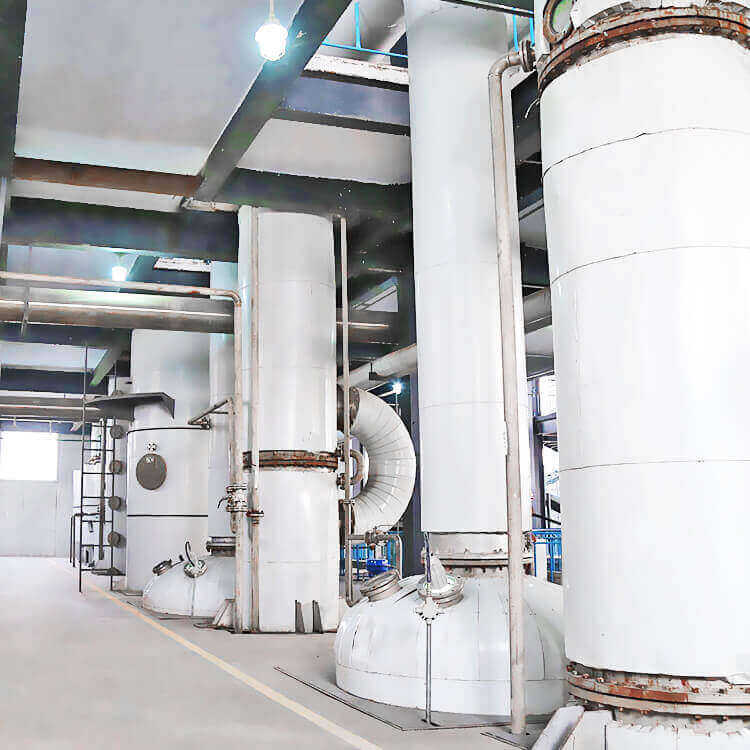
Rice Bran Protein Plant
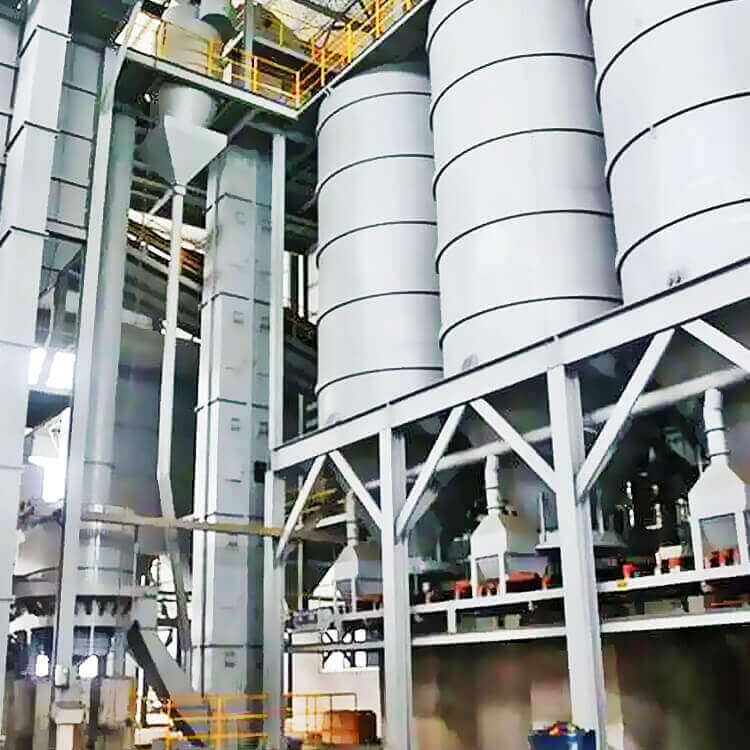
Soybean Protein Isolate Equipm
Ready to Enter the Growing SPC Market?
Tell us your defatted meal capacity, target market and preferred production method — our engineers will design the optimal SPC system for your operation.
Send Us a Message
Fill in your project details below — our engineering team typically responds within 48 hours with a customized proposal and preliminary process flow diagram.