

Old edible oil mills rarely die of old age. They stall quietly, one stage at a time, while order books keep thickening. Owners feel it as truck queues at the gate, seed waiting past dark, delivery promises that keep slipping. Instinct says buy a bigger machine. Better instinct hunts whichever stage actually throttles flow, because money spent upstream of a bottleneck buys nothing except a taller queue behind it.
This piece walks through where edible oil facilities genuinely choke, how to sequence upgrades so each releases the next, and when patching an ageing building stops making sense. It is companion reading to our guide on starting a small edible oil mill from scratch, which covers greenfield beginnings; here the subject is an operation already standing.
Where old mills actually bottleneck: intake, preparation, pressing, edible oil refining, packing
Any facility is a chain of stages, and a chain moves at whatever speed its slowest link manages. Walk the flow in order.
Intake first. Tipping pits, elevators, cleaning machines: reception hardware was sized years ago for a fraction of today's deliveries. Whenever pits overflow, everything downstream idles no matter how modern the presses happen to be, so watch scale tickets against the clock. Queues forming at dawn and dissolving by noon land squarely here.
Preparation next. Cleaning, dehulling, flaking, cooking. Prepared seed feeds presses evenly; uneven preparation makes every later machine hunt. Worn flaking rolls, screens out of balance, cookers losing heating surface to scale: each shaves capacity invisibly. Losses here hide inside the process instead of piling up on any yard, which makes this stage the most under-suspected choke point our engineers meet.
Pressing follows. Screws wear, cages deform, worm flights lose their height. A press that once held its gap lets slippage creep, and output drifts down a little hour by hour, a drift nobody files a report about, until somebody finally multiplies it across a whole season.
Edible oil refining comes after. Gum removal, neutralising, bleaching, deodorising. Centrifuges that clog, filters demanding cloth changes too often, vacuum systems gone soft: these throttle edible oil refining halls as reliably as worn screws throttle presses.
Packing closes the chain. It gets laughed at, it is rarely the true limit, yet occasionally it is exactly that. A filling line running slower than storage tanks can supply turns saleable oil into inventory standing still.
Diagnose before buying. Measure every stage alone, run the whole site flat out for a day, record hourly figures per area, and the bottleneck usually introduces itself.
Sequencing upgrades: cheapest de-bottlenecking first
De-bottlenecking has an order, and it runs cheapest first. Widen the intake with a second pit and a faster conveyor before touching anything expensive. Re-knife the flaking rolls, rebalance the screens, descale the cookers, re-tool the fatigued press components. Each costs a fraction of replacement machinery yet often restores surprising ground, because a tired facility is usually a chain of slightly tired stages rather than one dead link.
Only once cheap corrections stop moving the needle does new steel enter the conversation. And that steel goes wherever measurements point, not where a catalogue looks tempting. A single rule has held across decades of upgrades: never widen the river upstream of its dam. Adding presses while the edible oil refining hall cannot absorb the extra flow merely moves the queue indoors and renames it.
Matching new equipment to legacy utilities
Modern machines arrive with appetites an ageing building never planned for. Power draw, steam demand, cooling water, compressed air, floor loading: every added vessel asks the site for something, and the site answers from infrastructure sized decades earlier. The classic failure is not mechanical at all. It is a fresh cooker waiting on a boiler unable to raise steam, or a centrifuge tripping a supply that dims the lights whenever it starts.
Survey utilities with the same stopwatch honesty as the process stages. Where the boiler, the transformer or the water treatment sits at its ceiling, that ceiling belongs in the upgrade plan as a named item, specified like equipment, never discovered during commissioning. Layout matters just as much. Legacy buildings grow by accretion, shed by shed, floor by floor, and replacement machinery must follow material flow through that maze rather than fight it. Occasionally a conveyor plus a knocked-through wall releases more capacity than any vessel.
Adding a second oilseed or a second shift
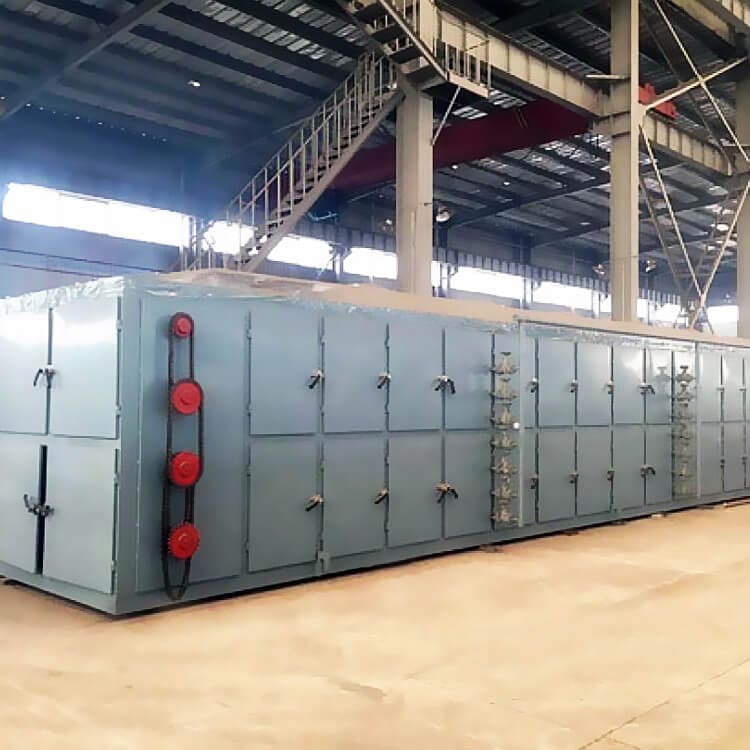
Two levers raise output without new buildings. The first is a second oilseed. Sunflower after groundnut, soybean after rapeseed: each brings its own preparation demands, and a preparation section designed with changeover in mind, quick-clean transfer points, storage that segregates batches, flakers taking both seed profiles, turns a single facility into two businesses and stretches the buying season across further months of the year. Our edible oil pretreatment equipment range is engineered around exactly such switchovers. The second lever is a second shift. Machines idle at night; a plant running one shift holds inexpensive headroom which training plus supervision, not concrete, unlock. The limit is usually crew skill, so upgrade crews before schedules.
When a new line beats retrofitting
Retrofitting has honest limits. Once constraints turn structural, foundations unable to carry a decanter, roof heights refusing a modern deodorising column, floor plates too crowded to separate hygiene zones, more bolt-on machinery only compounds the crowding. Whenever three or more areas need replacing simultaneously, the combined spend approaches what a purpose-built line would demand while keeping none of its cleanliness.
A fresh line brings a layout designed once, utilities sized together, hygiene zoning drawn rather than improvised, and one control philosophy instead of four generations of panels. Our group has built edible oil plants across a ten to two thousand tonnes per day span since 1988, with workshops certified to ISO 9001, and retrofit-or-rebuild is the first question we put to owners of tired works, ahead of any machine list. The honest answer differs from facility to facility, which is why it starts from measurements rather than brochures; see what our engineering team documents for every project.
Expanding an edible oil mill rewards patience at the start and punishes impatience everywhere else. Measure, sequence, match the utilities, then spend. Planning an upgrade for an existing mill? Tell us which stages stall first plus the scale you aim for; we will help read the readings before any machine gets quoted. Chat with us on WhatsApp, or call +86 18337263319. The first review costs nothing.
FAQ
How do I find the real bottleneck in an old edible oil mill?
Measure every stage separately. Run the whole site flat out for a day, record hourly figures per area, compare them, and the slowest link shows itself. Queues at the intake point upstream; idle presses behind a full tank point downstream.
Which upgrades should come first when expanding an edible oil mill?
The cheapest de-bottlenecking comes first: intake capacity, worn flaking rolls, unbalanced screens, fouled cookers, worn press parts. Additional machinery enters only after those stop moving output, and it goes wherever measurements point.
Can one preparation section handle a second oilseed?
Yes, once changeover is designed in from day one: quick-clean transfer points, segregated storage, flakers set up for both seed profiles. A multi-seed preparation area lets one operation chase a second raw material and stretch the buying season.
When does retrofitting stop making sense compared with a new line?
Once constraints turn structural: foundations, roof heights, floor crowding blocking hygiene zoning. Also whenever three or more stages need replacement simultaneously. Beyond that point, a purpose-built line delivers cleaner layout and utilities sized together.
What should be measured before ordering any expansion equipment?
Stage-by-stage hourly output, utility headroom on steam, power, water plus air, and the true material flow through existing buildings. Owners gathering these usually arrive with sharper questions; Chat with us on WhatsApp, or call +86 18337263319.