

A question reaches us from Nairobi almost every week, and it rarely concerns one machine. Buyers want a verdict instead: order from a metal workshop on Industrial Area, or import a complete line from an established maker abroad. Both roads carry honest merit, and mills across the country have succeeded with each. What follows maps where the two options truly differ, which project each one suits, and how to settle the choice before capital is committed.
East Africa's cooking oil demand and the import gap
Kenya consumes more vegetable oil than its fields and crushers supply. The shortfall crosses the Indian Ocean as product somebody else pressed and finished, chiefly bulk palm plus soybean oil refined overseas, and every container landing at Mombasa represents demand a domestic mill could capture. Public programmes and private investors read the same arithmetic, which explains why new projects keep surfacing through the Rift Valley and the lakeside counties.
The crop map shapes everything here. Sunflower grows widely across the highlands, groundnut holds on in the west, cottonseed gathers wherever ginneries run, and soybean arrives both grown locally and imported beside the poultry feed trade. None of these seeds behaves identically inside a press, so what a buyer can actually secure within a hundred kilometres should drive the plan far harder than any catalogue does.
What local fabricators build well and where imported lines take over
Credit first, where credit is due. Kenyan workshops weld honest steel. Storage tanks, hoppers, conveyors, straightforward screw presses, pipework and support stands all sit inside their comfort zone, and a mill built around them enjoys two genuine advantages: the builder stays a phone call away, and repair steel never waits at a port.
Honest limits follow close behind. A press alone produces pressed product; it cannot clean seed properly, condition it evenly, recover what the cake still holds, or finish liquor to bottle standard. Process control, engineering drawings, material certificates and commissioning discipline are where established manufacturers separate themselves, because an imported line lands as an engineered sequence rather than a pile of useful metal.
The strongest projects refuse to choose absolutely. An imported core handling pretreatment, pressing and edible oil refining, ringed by locally built tanks and structures, captures both strengths, and many working mills across Africa run precisely that blend.
Route and capacity decisions for a Kenyan mill
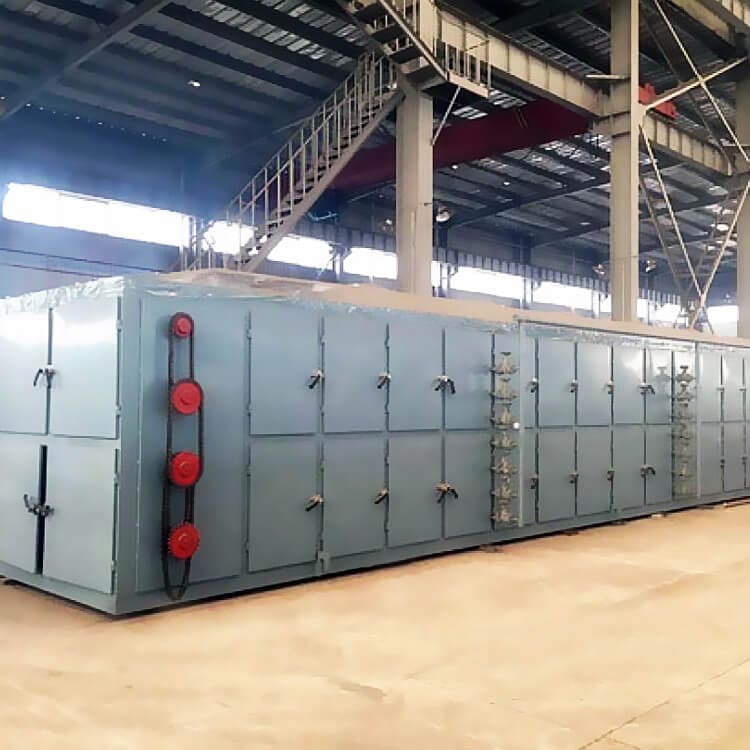
Start from the seed, then the buyer, then the hardware. A groundnut scheme in the west needs shelling and careful conditioning before anything else, and our groundnut oil production line page walks that sequence stage by stage. Sunflower raises a dewaxing question. Cottonseed demands delinting. Every answer rewrites part of the equipment schedule, which is why ordering hardware before naming the seed disappoints so reliably.
Scale follows supply, never ambition. Count the tonnage a purchasing radius truly delivers across an average year, subtract spoilage and rival buyers, and let the remainder pick the press. Huatai builds groundnut plants from compact five-tonne units up to works handling five hundred tonnes daily, and the group as a whole spans ten through two thousand tonnes per day, yet the only figure worth respecting is the one your own catchment defends.
Depth of process forms the third decision. Selling unrefined edible oil onward to a larger processor keeps the equipment list short and the crew small. Adding an edible oil refining section brings bottled, branded product and a wider market, together with bleaching, deodorization and laboratory duties that must be run well. Cleaning, dehulling and cooking ahead of the press decide stability more than newcomers expect, and our seed pretreatment equipment page sets out what that stage contributes.
Site, power and logistics notes
Assume the grid stumbles. Soft starters or variable drives belong on every heavy motor, panels want protection that tolerates brownouts, and a boiler fired on process residue removes a fuel dependency at a stroke. Water quality, drainage and level foundations deserve finishing before any container is booked, since erection crews cannot compress concrete with a schedule.
Freight repays early thought too. Lines travel in numbered containers through Mombasa, clear customs, then move inland by road, and a site with unloading gear and dry storage ready receives its hardware calmly, while one that treats arrival as a surprise pays for improvisation.
Execution: installation, training, spares
An imported line succeeds or fails after the vessel berths. Our engineers have supervised erections across Africa, Asia and South America since 1988, and the pattern never varies: a supervisor who has built the same layout before shortens commissioning more than any other single choice.
Training decides whether a works is run or merely owned. Two shifts taught startup, shutdown, cleaning rhythms and the fault list will outrun any visiting technician, and documentation written in plain English keeps that knowledge on site long after we fly home.
Spares should travel with the plant. Screws and cages, filter cloths, belts, seals, gaskets and the instruments nobody sources locally belong on the same manifest, not on a panicked order after the first breakdown. Our global service and installation coverage page describes how remote diagnosis, scheduled visits and parts supply continue once a line runs. Weighing the decision right now? Send your seed, target scale and county, and we will say plainly which parts we would build locally and which we would ship. Chat with us on WhatsApp, or call +86 18337263319. The review costs nothing.
FAQ
Should a first-time Kenyan buyer import an edible oil machine or use a local fabricator?
Use both where each is strong. Local workshops handle tanks, structures and straightforward presses quickly and affordably; an imported line earns its freight where process control decides quality: cleaning, conditioning, cake recovery and edible oil refining. Many working mills combine an imported core with locally built steel around it.
What capacity suits a first cooking oil mill in Kenya?
Let supply decide. Total the tonnage your purchasing radius delivers in an average year, subtract losses and competing buyers, and size the press to that remainder rather than to ambition. A mill fed by its own catchment runs steadily; one built larger stands idle.
Which oilseeds can a mill in Kenya process?
Sunflower from the highlands, groundnut from the west, cottonseed from ginning zones and soybean all press well given suitable preparation, though each demands different pretreatment, and sunflower additionally raises a dewaxing question whenever the product heads for retail shelves.
Who installs an imported line, and what support continues afterwards?
A commissioning crew travels out for erection and startup, operators are trained on site in two shifts, documentation ships in English, and support continues through remote diagnosis, scheduled visits and a spares pipeline planned before the first container leaves.
Can we begin with pressing only and refine later?
Yes, provided the layout reserves space and utilities for the option. Adding an edible oil refining section afterwards is straightforward when floor area, steam and pipework were designed for it at the start, and painful when they were not.
Undecided between a local build and an imported line? Chat with us on WhatsApp, or call +86 18337263319, and describe your seed, county and target scale; we will help you frame the decision.