
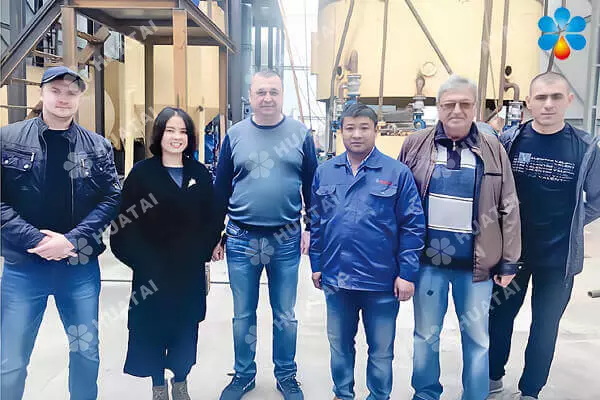
A project story reads best once the plant has quietly cleared its opening season, and the sunflower cake solvent extraction plant we delivered in Ukraine has reached that point. This page records how the enquiry arrived, why the client chose to leach the residue rather than sell it onward, how the train was configured, and what commissioning taught everyone involved. Figures belong on the acceptance certificate, so none appear here; what remains is the engineering narrative itself.
The project brief
The client came to us already running sunflower. Pressing capacity existed. Crude edible oil flowed to the bottling hall, and the mill had built a steady trade around it. Yet every tonne of pressed residue left the gate as a single invoice to a nearby buyer, and prices for that coproduct swing with the animal feed trade in ways no mill can control, a dependency the owner had grown tired of renting his margins to. The owner wanted two things at once: recover the fat still locked inside, and turn what remained into a cleaner, more predictable commodity for sale.
Video calls replaced travel for most of the design phase. Drawings flew back and forth, samples were couriered over for assessment, and the scope settled into a second production train devoted to recovering what the press had left behind. The contract covered the full solvent chain, meal handling, utility interfaces and erection supervision, our engineers working alongside the client's own fitters throughout.
Why cake (meal) extraction for sunflower
A screw press squeezes hard, but it never empties the seed completely. A practical share of oil always stays locked inside the pressed material, and for sunflower that share is large enough that many mills treat the residue as a raw material in its own right rather than as a leftover. Washing what remains out with a food-grade solvent recovers product that pressing alone surrenders, and the method has run at industrial scale for decades precisely because the arithmetic favours it wherever volumes are steady.
The method earns its keep in stages. Prepared cake passes through the extractor where the edible-oil solvent percolates through the bed and dissolves the remaining fat. The leaving liquor, called miscella, moves to evaporation and stripping, where the solvent separates from the oil and both streams return for reuse. The spent material travels in the opposite direction through desolventizing and toasting, then cooling, and exits as meal fit for feed compounders. Nothing in that chain is exotic; the craft lies in sizing each stage so the whole circuit runs continuously without bottlenecks.
Configuration choices section by section
Preparation came first, because leaching punishes uneven feed. The breaker and flaking rolls were chosen to give the wash an even bed to drain through, since fines and coarse lumps both slow percolation and upset the extractor's rhythm. Conveying between blocks was kept short and covered, an unglamorous choice that shelters the material and the housekeeping alike.
The extractor itself sits at the centre of the layout. Counter-current flow, controlled bed depth and a spray schedule matched to flake quality were tuned during commissioning rather than assumed on paper. Downstream, the desolventizer-toaster conditions the meal, evaporators concentrate the miscella in two passes, and the stripping column finishes the oil before it heads to the edible oil refining hall the client already operated. Solvent recovery closes the circuit: condensers, a mineral oil absorption stage and water separation return working solvent to the tanks instead of the atmosphere, a matter for the budget and the inspector alike.
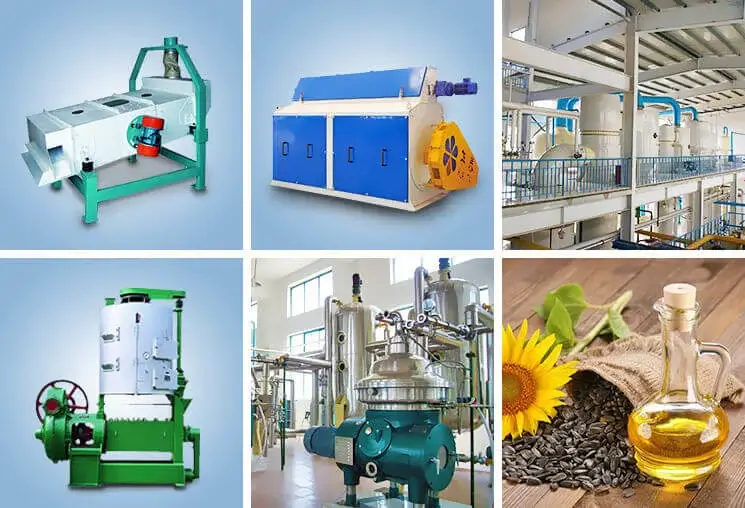
Utilities shaped more decisions than any catalogue would suggest. Steam demand concentrates where meal is desolventized and liquor evaporated, cooling water concentrates at the condensers, and electrical load spreads across conveyors, the extractor and the meal cooler. Layout-wise, the new train sat beside the pressing hall under one control room, letting a single operator team watch both processes.
Commissioning notes
Erection ran through the local winter, which the programme had anticipated. Vessels arrived containerized, lifting plans were settled beforehand, and weld inspection followed a written checklist rather than habit. Air-tightness testing on the solvent circuit deserves special mention: every joint was pressure tested and marked before any solvent entered, and the discipline paid off during the first circulation trials.
Feed went in gradually. The extractor ran on circulating solvent empty until temperatures, flows and level controls settled, then residue was introduced in small steps while the miscella circuit came up to strength. The client's operators were trained in two shifts on startup, shutdown, normal watching duties and the fault list, and documentation left on site was written in plain English. Our supervisors stayed through the first sustained runs, then handed over to a crew that already owned it.
What this project teaches smaller buyers
Three lessons travel well beyond Ukraine. First, residue is an asset with a second life; mills that sell it raw each month usually price their own opportunity too cheaply. Second, the extraction train is only as good as its preparation block; budget trimmed at the breaker and flaker reappears as trouble at the extractor, where repairs cost far more. Third, utilities decide schedules: steam, cooling water, drainage and solvent storage planned alongside process equipment keep start-up calm, while late improvisation turns calm weeks into months.
Huatai has built edible oil plants across the full range since 1988, and the group covers ten through two thousand tonnes per day overall, so the same engineering logic scales from a modest pressing hall to a works of this kind. The full story, photographs included, is recorded in our Sunflower Cake Extraction Plant in Ukraine case page, and readers weighing a similar move should also study our sunflower oil production line overview, which places this recovery step within the wider processing route.
Our solvent extraction equipment page details the extractor, desolventizer and recovery stages. Planning something similar? Send us your residue volumes, seed type and site constraints, and we will sketch the route honestly, including when leaching does not pay. Chat with us on WhatsApp, or call +86 18337263319. The first review costs nothing.
FAQ
Why extract sunflower cake instead of selling it as pressed cake?
A press surrenders only part of what the seed holds; leaching the residue captures the rest on your own floor. That converts a discounted coproduct into recovered oil plus cleaner meal, and it frees your ledger from whoever happens to buy the cake that month.
What does a sunflower cake solvent extraction line include?
Four blocks work in sequence: preparation with breaking and flaking, counter-current washing of the bed, desolventizing plus toasting for the spent solids, and evaporation with stripping for the miscella, all closed by condensers and an absorber that recycle the working fluid.
Is the solvent used in edible oil extraction safe?
Yes. Mills run a sealed circuit on a food-grade hydrocarbon, and heat treatment strips residuals from both streams before either leaves the plant; condensers send the working fluid back to storage rather than to the air.
Can a cake extraction train be added to an existing pressing mill?
Often, yes, and the Ukrainian project did precisely that: the new train rose beside the old pressing hall, shared its control room, and sent recovered liquor into finishing equipment the client already owned.
What information should a buyer prepare before asking for a proposal?
Come armed with yearly tonnage, the press layout behind it, utility conditions on the plot, and a view on where the oil and meal will be sold. Four honest answers let an engineer sketch the route on the opening call.
Undecided whether your volumes justify this recovery step? Chat with us on WhatsApp, or call +86 18337263319, and describe your mill; you will get a straight answer either way.